Steamed Cassava Cake Recipe (No Oven) – Soft, Moist, and Easy Filipino Cassava Cake
If you’re craving a classic Filipino cassava cake but don’t have an oven, this Steamed Cassava Cake recipe is the perfect solution. Soft, moist, creamy, and topped with a rich layer of caramelized sugar, this no-bake version delivers all the comforting flavors of the traditional favorite using only a steamer. It’s an easy dessert that’s perfect for beginners, home cooks, and anyone looking for a delicious way to enjoy fresh cassava.
Cassava cake has long been one of the Philippines’ most beloved kakanin. It’s a staple at birthdays, fiestas, Christmas celebrations, family reunions, and merienda gatherings. While most recipes require baking and a custard topping, this steamed version proves that you can still enjoy the same rich, satisfying dessert without turning on the oven.
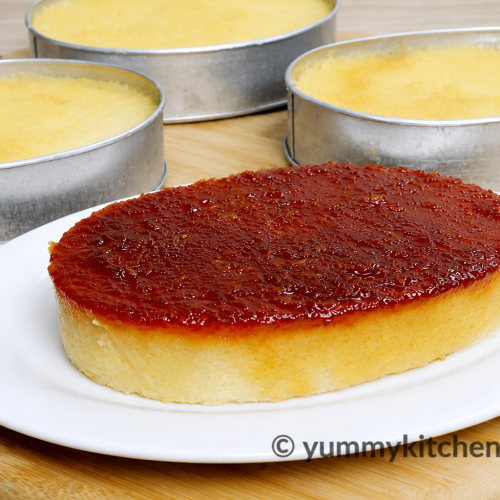
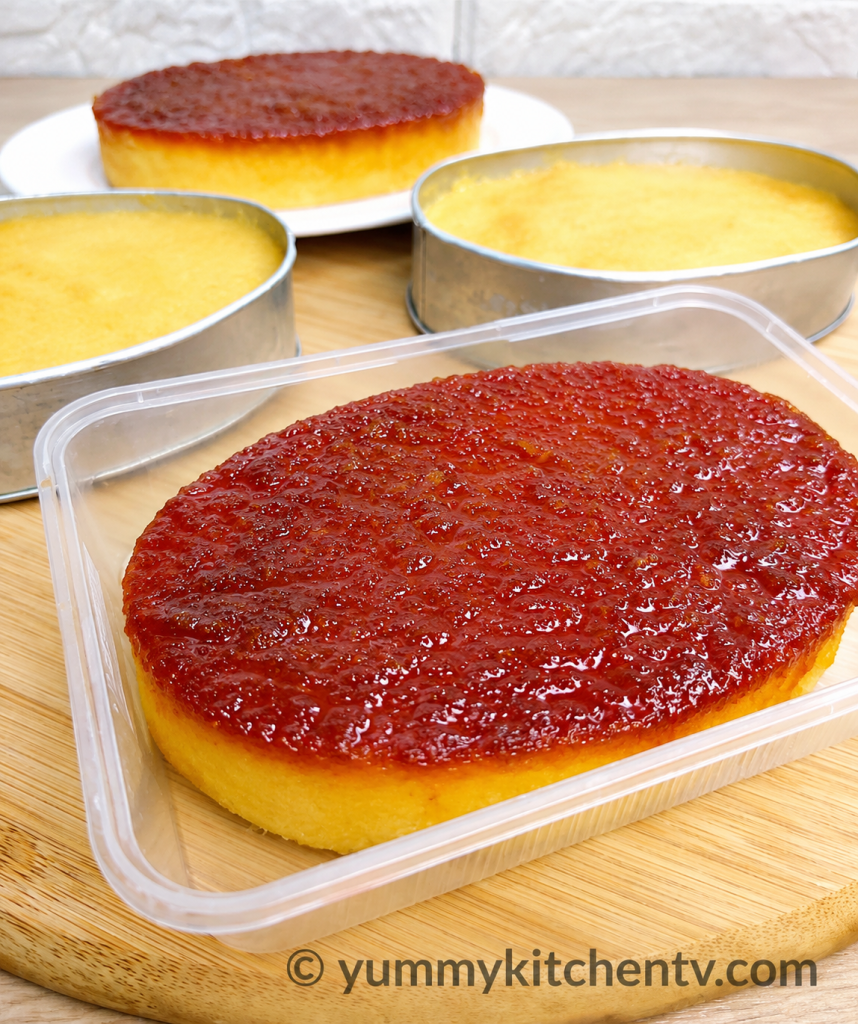
Instead of baking, the cassava mixture is gently steamed until perfectly set, resulting in an incredibly moist and tender texture. To give it that signature golden finish, each llanera is lined with homemade caramel, which becomes the glossy topping once the cake is flipped over. The result is a beautiful dessert that’s sweet, creamy, and slightly chewy with a hint of caramel goodness in every bite.
Whether you’re preparing dessert for your family, making treats to sell, or simply trying something new, this easy steamed cassava cake recipe is budget-friendly, beginner-friendly, and guaranteed to impress.


Steamed Cassava Cake (No-Oven Filipino Cassava Cake)
Equipment
- Fine grater
- Mixing bowl
- Measuring cups and spoons
- Whisk or spatula
- 4 large llaneras
- Steamer
- Tongs
- Knife
- Serving plate
Ingredients
For the Cassava Cake
- 1 kilo fresh cassava grated
- 1 can 390 g condensed milk
- 1 small can 140 ml evaporated milk
- 2 large eggs
- 4 tablespoons melted margarine or butter
For the Caramel
- 8 tablespoons sugar
Optional Topping
- Grated cheese
Instructions
- Place 2 tablespoons of sugar into each llanera. Cook over low heat until caramelized and amber in color. Allow to cool completely.
- Finely grate the fresh cassava and gently squeeze out some of the excess liquid.
- In a large bowl, combine grated cassava, condensed milk, evaporated milk, eggs, and melted margarine. Mix well.
- Pour the mixture into the prepared llaneras, filling each about ¾ full.
- Steam over boiling water using medium heat for 45–60 minutes or until fully cooked.
- Remove from the steamer and let cool slightly.
- Carefully invert onto a serving plate.
- Top with grated cheese if desired and serve.
Notes
- Fresh cassava gives the best flavor and texture, but frozen grated cassava works just as well after thawing.
- Do not over-squeeze the cassava, as a little moisture helps keep the cake soft and creamy.
- Avoid overcooking the caramel to prevent a bitter taste.
- Cover the llaneras with foil while steaming to keep condensation from dripping onto the cake.
- For added flavor, mix in sweetened macapuno or chopped ripe jackfruit before steaming.
- If baking instead, use a water bath (bain-marie) and bake at 180°C (350°F) for 40–50 minutes.
Estimated Costing (Optional)
Yield: 4 large llaneras| Ingredient | Cost (₱) |
|---|---|
| 1 kilo cassava | 50.00 |
| Condensed milk | 31.00 |
| Evaporated milk | 12.00 |
| Eggs | 16.00 |
| Margarine | 10.00 |
| Sugar | 8.00 |
| 4 tubs | 20.00 |
| Subtotal | 147.00 |
| Gas & other expenses | 20.00 |
| Total Cost | ₱167.00 |
- Cost per llanera: ₱41.75
- Suggested Selling Price: ₱60–₱65 each (approximately 40–50% markup)
Nutrition
Watch how to Cook Cassava Cake without Oven
What Is Steamed Cassava Cake?

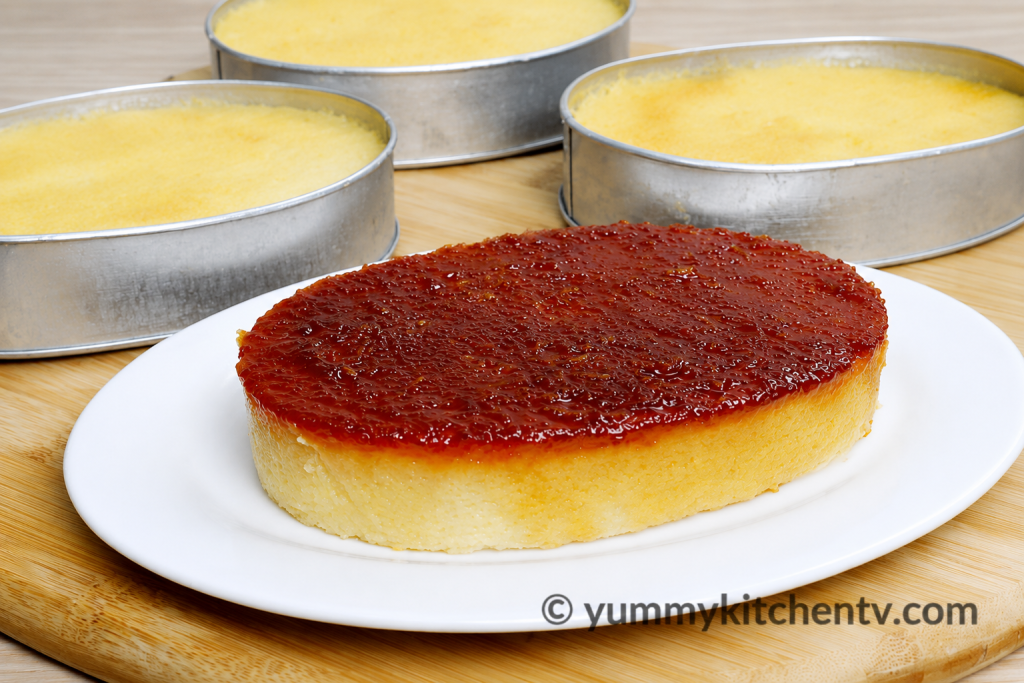
Steamed Cassava Cake is a variation of the traditional Filipino cassava cake, except it’s cooked entirely in a steamer instead of an oven. The batter is made from freshly grated cassava, condensed milk, evaporated milk, eggs, and butter or margarine, creating a naturally rich and creamy dessert.
Unlike baked cassava cake that is usually topped with a custard made from coconut milk and egg yolks, this version skips the custard altogether. Instead, caramelized sugar is prepared in each llanera before the cassava mixture is added. Once steamed and unmolded, the caramel transforms into a shiny, sweet topping that makes the dessert look just as attractive as its baked counterpart.
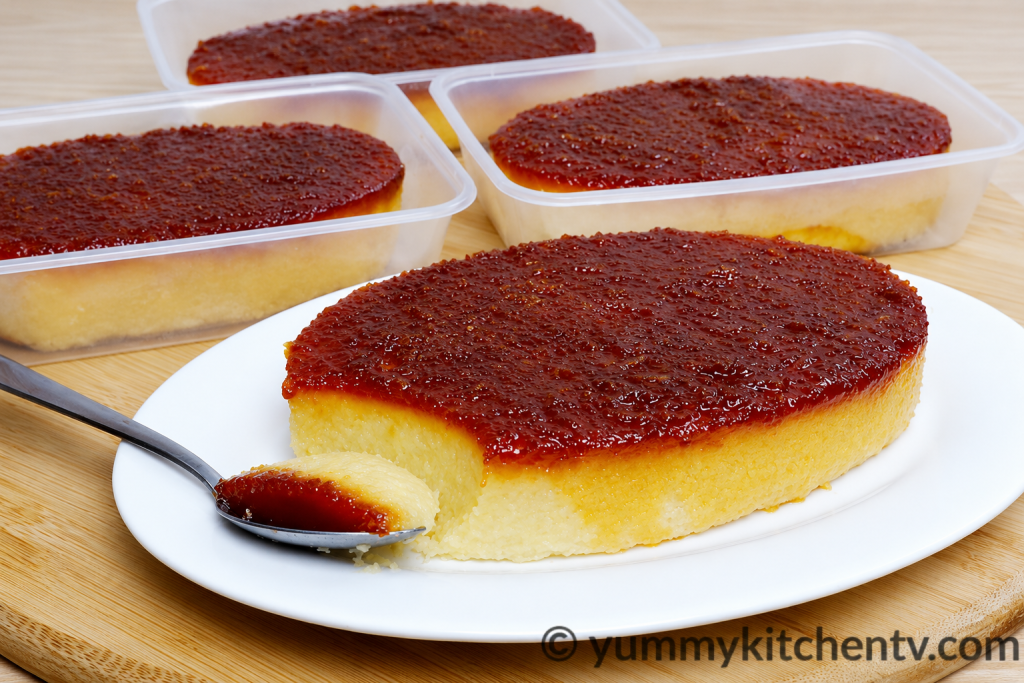
The finished cake is soft, dense, moist, and pleasantly chewy—the kind of dessert that’s satisfying without being overly heavy.
Because it doesn’t require baking, this recipe is perfect for homes without ovens and for anyone looking for a simpler way to enjoy one of the Philippines’ favorite native delicacies.
What Is Cassava?

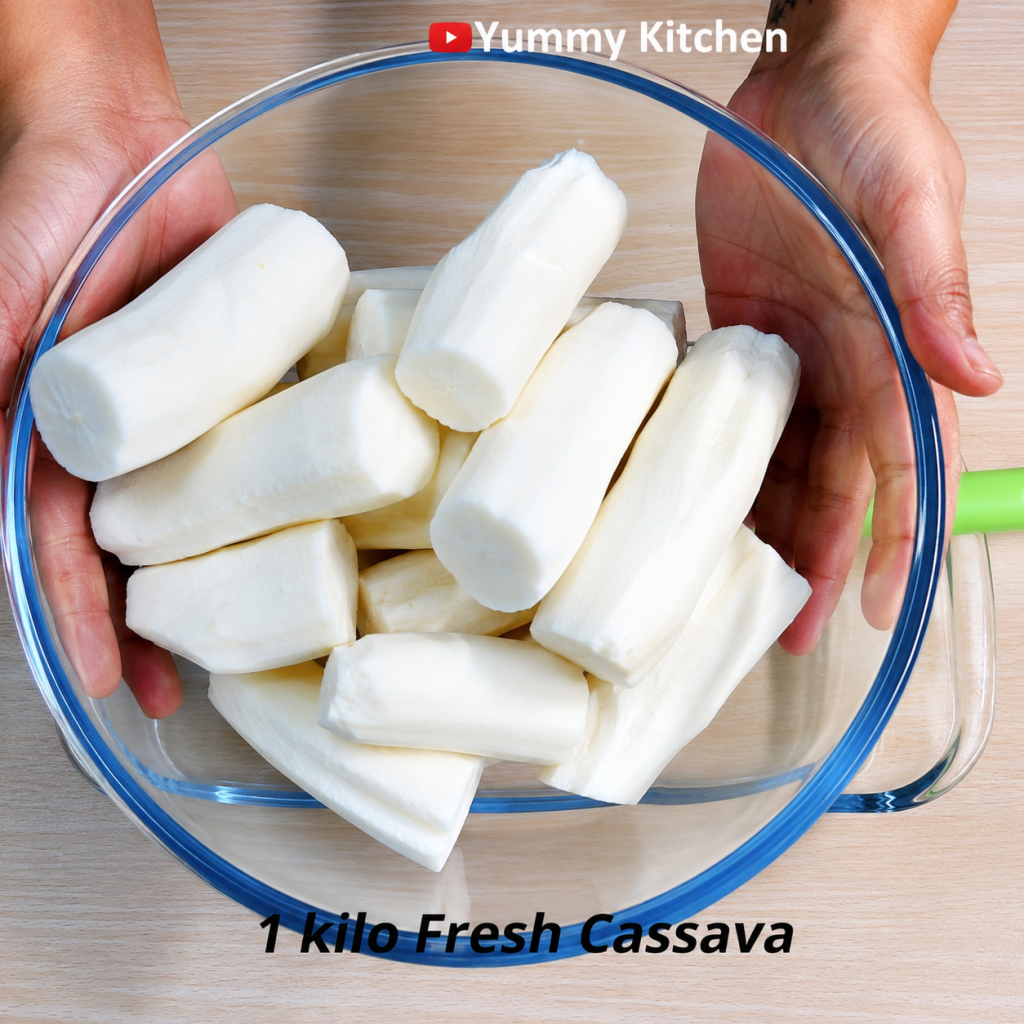
Cassava, locally known as kamoteng kahoy, is a starchy root crop widely grown throughout the Philippines and many tropical countries. It has a mild flavor that easily absorbs the sweetness and richness of milk, butter, coconut milk, and other ingredients.
Fresh cassava is commonly grated and used in many Filipino delicacies like cassava cake, pichi-pichi, suman, and cassava bibingka. Its naturally starchy texture creates desserts that are soft, chewy, and wonderfully filling.
For this recipe, both fresh and frozen grated cassava work well. Fresh cassava offers the best flavor, while frozen grated cassava provides a convenient shortcut for busy home cooks.
One important reminder is to avoid using cassava flour as a substitute. Cassava flour has a completely different texture and will not produce the creamy consistency that makes this dessert so enjoyable.
Why You’ll Love This Recipe
There are plenty of reasons to add this Steamed Cassava Cake recipe to your collection.
No oven needed. All you need is a steamer, making this recipe accessible even in kitchens without baking equipment.
Simple ingredients. Most of the ingredients are pantry staples that are affordable and easy to find in local grocery stores.
Budget-friendly. This dessert is inexpensive to make, making it ideal for family gatherings or even a small food business.
Perfectly moist texture. Steaming keeps the cassava soft, creamy, and tender without drying it out.
Beautiful caramel topping. The homemade caramel adds a glossy finish and a delicious balance of sweetness with a subtle hint of bitterness.
Great for beginners. Even first-time cooks can successfully prepare this recipe by following a few easy steps.
Perfect for selling. Since the recipe already includes costing, it’s an excellent choice for aspiring food entrepreneurs.

Ingredients
For the cassava cake:
- 1 kilo fresh cassava (kamoteng kahoy), grated
- 1 can (390 g) condensed milk
- 1 small can (140 ml) evaporated milk
- 2 large eggs
- 4 tablespoons melted margarine or butter
For the caramel:
- 8 tablespoons sugar (about 2 tablespoons per llanera)
Optional topping:
- Grated cheese

Step-by-Step Method
1. Prepare the caramel.
Place about two tablespoons of sugar into each llanera. Heat over low heat until the sugar melts and turns into a beautiful amber-colored caramel. Gently swirl the llanera using tongs so the caramel spreads evenly. Set aside and allow it to cool completely.
2. Prepare the cassava.
Peel and finely grate the fresh cassava. Using clean hands or cheesecloth, gently squeeze out some of the excess liquid. Don’t squeeze too much—you still want the cassava to remain moist.
If using frozen grated cassava, thaw it first and remove only the excess liquid.
3. Make the batter.
In a large mixing bowl, combine the grated cassava, condensed milk, evaporated milk, eggs, and melted butter or margarine.
Mix until everything is evenly incorporated.
4. Fill the molds.
Pour the cassava mixture into the prepared llaneras, filling each about three-fourths full to allow room for expansion while steaming.
5. Steam.
Bring the steamer to a boil before placing the filled llaneras inside.
Steam over medium heat for 45 to 60 minutes, or until the cassava cake is firm and fully cooked.
6. Cool slightly.
Remove the llaneras from the steamer and let them rest for several minutes.
7. Unmold and serve.
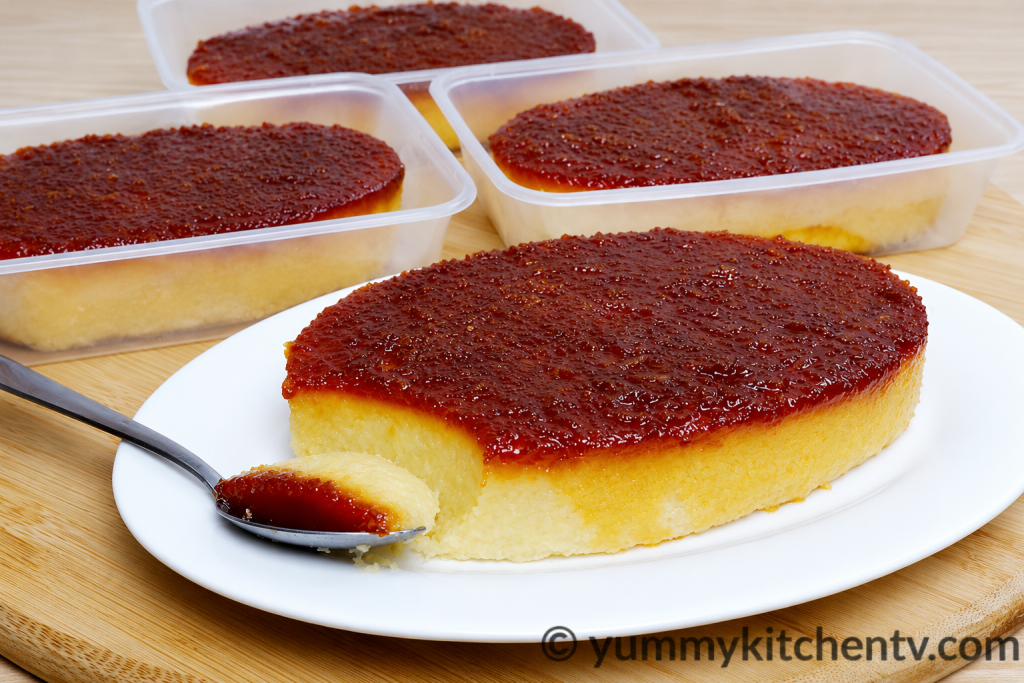
Carefully invert each llanera onto a serving plate. The caramel becomes the glossy topping, giving the cake its signature appearance.
Top with grated cheese if desired and enjoy!

Tips and Variations
Choose fresh cassava whenever possible for the best flavor and texture.
Don’t remove too much liquid from the grated cassava. Leaving some moisture keeps the cake soft and creamy.
Watch the caramel carefully while cooking. Burnt sugar becomes bitter and can overpower the dessert.
If you want extra flavor, mix in chopped macapuno, sweetened jackfruit, or shredded young coconut before steaming.
For a richer finish, sprinkle grated cheese generously over the top before serving.
If you have an oven, this same recipe can also be baked using the water bath (bain-marie) method at 180°C for 40 to 50 minutes.
Cover the llaneras with aluminum foil while steaming to prevent water droplets from falling onto the cake.
Storage and Reheating
Store leftover Steamed Cassava Cake in an airtight container inside the refrigerator for up to five days.
For longer storage, freeze individual portions for up to two months.
To serve, simply steam for about 5 to 8 minutes or microwave for 30 to 60 seconds until warm.
Although delicious chilled, many people enjoy cassava cake slightly warm because the texture becomes even softer and creamier.

Serving Suggestions
This Filipino steamed cassava cake is perfect for afternoon merienda with a hot cup of coffee, tea, or traditional Filipino hot chocolate.
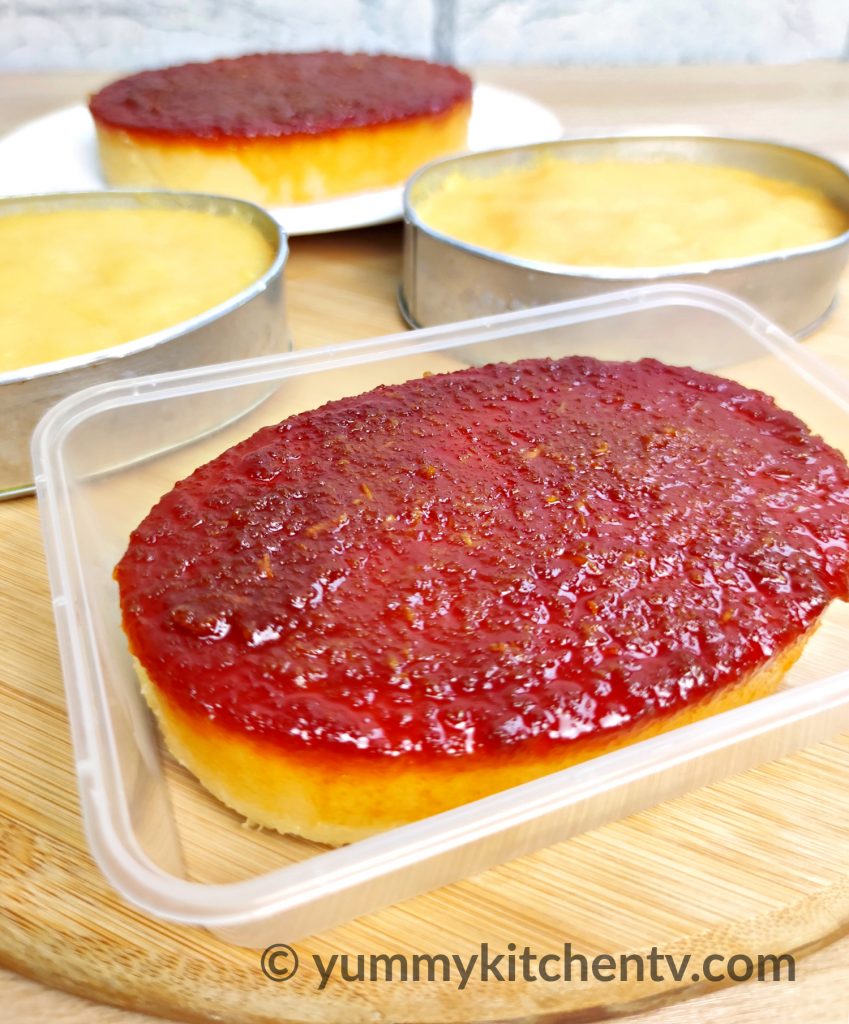
Serve it during birthdays, holidays, potlucks, reunions, and fiestas. Its attractive caramel topping makes it look elegant enough for special occasions while remaining simple enough for everyday snacks.
For parties, slice each llanera into smaller squares for bite-sized servings.
If you’re planning to sell homemade kakanin, pack individual portions in 500-ml tubs or food-grade containers for a neat and professional presentation.
Based on the sample costing, one batch yields four large containers with an estimated production cost of around ₱167, including additional expenses. Pricing each container at approximately ₱63 allows for a healthy profit margin while keeping the dessert affordable.
Conclusion
If you’ve been searching for an easy Steamed Cassava Cake recipe, this no-oven version deserves a permanent spot in your recipe collection. It captures everything people love about classic Filipino cassava cake—its creamy texture, rich flavor, and satisfying chew—while eliminating the need for baking.
The caramel topping adds an extra layer of sweetness and beauty, making every slice feel extra special. With simple ingredients, straightforward preparation, and consistently delicious results, this recipe is perfect for beginners, busy families, and even small food businesses.
Whether you’re making it for merienda, celebrations, or extra income, this homemade steamed cassava cake is guaranteed to become a favorite. One bite of its soft, caramel-kissed goodness, and you’ll understand why this timeless Filipino dessert continues to bring comfort and joy to every table.