Ginataang Bilo-Bilo-Glutinous Rice Balls Cooked In Coconut Milk …
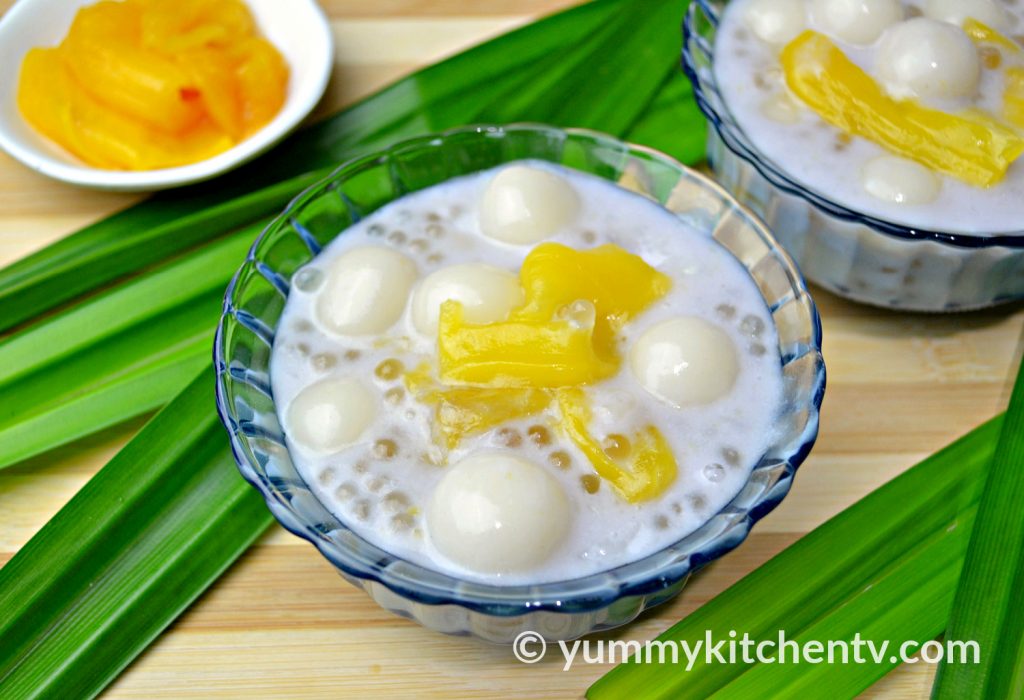
Ginataang Bilo-Bilo is a classic Filipino dessert made with soft glutinous rice balls cooked in a rich and creamy coconut milk sauce. Loaded with chewy tapioca pearls, sweet ripe jackfruit, and aromatic pandan leaves, this comforting dessert is a favorite merienda enjoyed across the Philippines. Whether served warm on a rainy afternoon or enjoyed as a sweet treat after a meal, ginataang bilo-bilo offers the perfect balance of sweetness, creaminess, and texture.
If you’re looking for a traditional Filipino dessert that’s simple to prepare and incredibly satisfying, this Ginataang Bilo-Bilo recipe is exactly what you need. With a few basic ingredients and easy-to-follow steps, you can recreate this beloved Filipino comfort food right in your own kitchen.


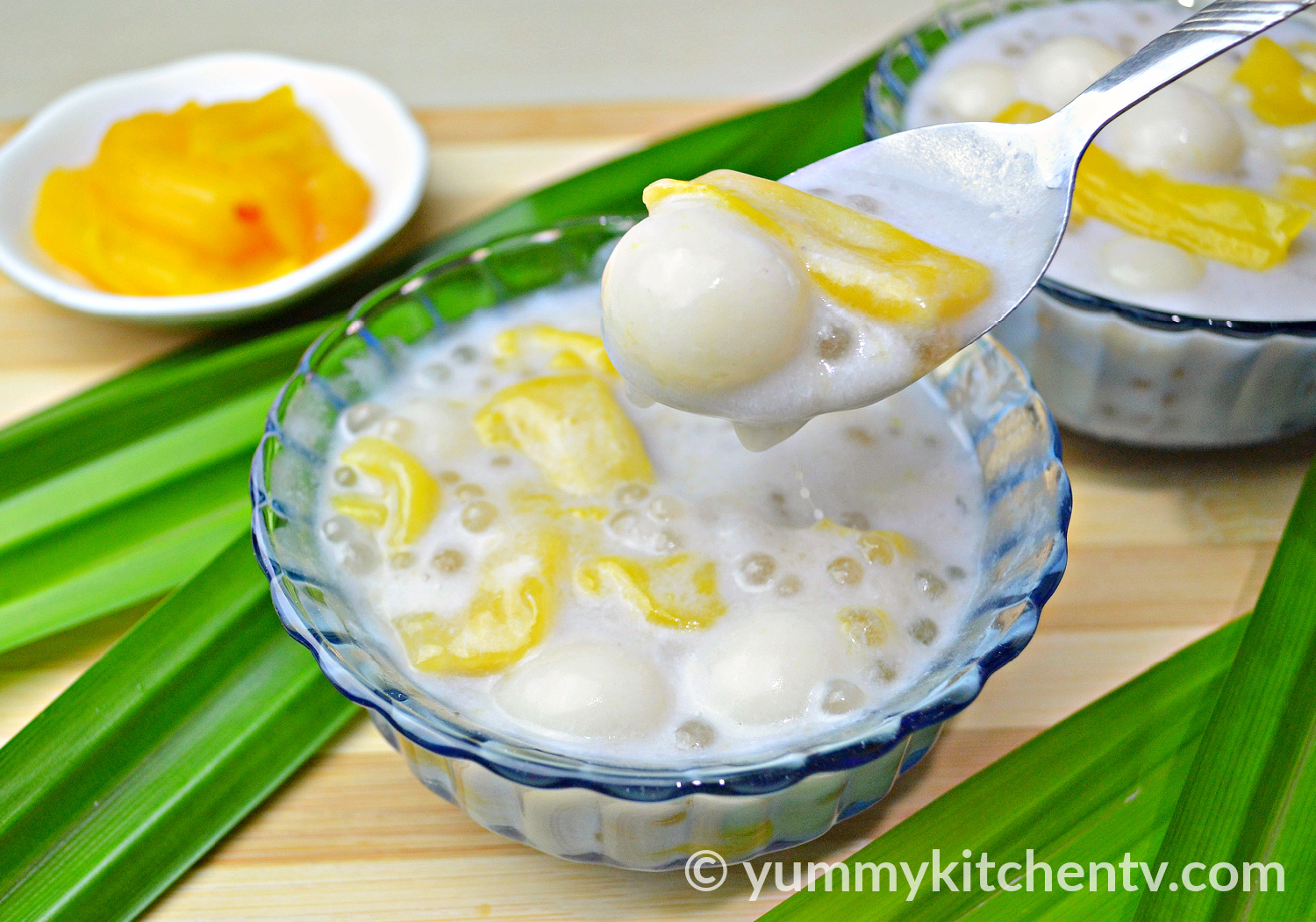
Ginataang Bilo-Bilo
Equipment
- Mixing bowl
- Measuring cups and spoons
- Large cooking pot
- Wooden spoon or Silicone Spatula
- Small bowl (for making the rice balls)
- Knife
- Chopping board
- Strainer
Ingredients
For the Bilo-Bilo
- 2 Cups Glutinous Rice Flour
- ¾ Cups Water more if needed
For the Ginataan
- 2 Cups Coconut Milk
- 2 Cups Coconut Cream
- 4 Cups Water
- ¾ Cup Brown sugar
- 1 Cup Cooked Small Tapioca pearls (sago)
- 2 medium Sweet Potatoes peeled and cubed
- 2 ripe Saba bananas diced
- 1 Cup Ripe Jackfruit strips
- ½ tsp Salt
Instructions
Make the Bilo-Bilo
- Place the glutinous rice flour in a mixing bowl.
- Gradually add water while mixing until a soft, smooth dough forms.
- Pinch small portions and roll into bite-sized balls.
- Set aside.
Cook the Ginataang Bilo-Bilo
- In a large pot, combine the water and coconut milk. Bring to a gentle simmer.
- Add the cubed sweet potatoes and cook until almost tender.
- Stir in the brown sugar and salt.
- Carefully drop in the glutinous rice balls one at a time, stirring gently to prevent sticking.
- Cook until the rice balls float to the surface.
- Add the sliced saba bananas and continue simmering for a few minutes.
- Stir in the cooked tapioca pearls and jackfruit.
- Pour in the coconut cream and gently stir.
- Simmer over low heat for another 3–5 minutes without allowing the mixture to boil vigorously.
- Serve warm or chilled.
Notes
- Use fresh kakang gata (coconut cream) for the richest and creamiest flavor.
- Avoid overcooking the bilo-bilo to keep them soft and chewy.
- Stir gently after adding the rice balls to prevent them from sticking together.
- Cook the tapioca pearls separately before adding them to the dessert for the best texture.
- You can also add ube, taro (gabi), or young coconut strips (buko) for extra flavor and variety.
- Ginataang Bilo-Bilo can be enjoyed warm for a comforting treat or chilled for a refreshing dessert.
- Refrigerate leftovers in an airtight container for up to 3 days. The dessert will naturally thicken after chilling; simply add a little coconut milk when reheating if you prefer a thinner consistency.
Nutrition
What is Ginataang Bilo-Bilo?

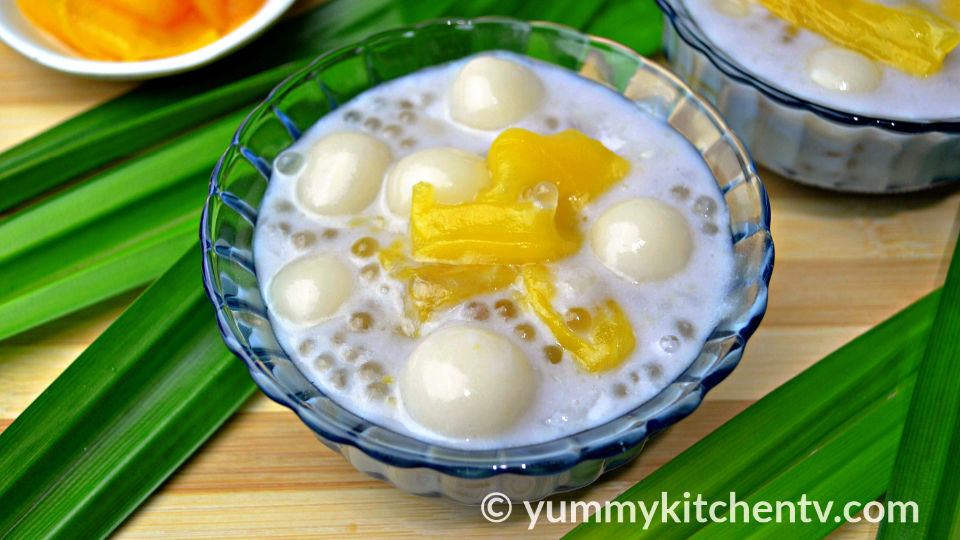
Ginataang Bilo-Bilo is a traditional Filipino dessert made by cooking small glutinous rice balls, locally called “bilo-bilo,” in sweetened coconut milk. The dessert is commonly enhanced with ingredients like tapioca pearls (sago), ripe jackfruit, sweet potatoes, saba bananas, and pandan leaves.
The word “ginataan” comes from the Filipino word “gata,” which means coconut milk. Many Filipino dishes use coconut milk as a primary ingredient, but ginataang bilo-bilo stands out because of its dessert-like nature and comforting texture.
This dish is often associated with family gatherings, rainy-day merienda, Holy Week traditions, and special occasions. Many Filipinos grew up enjoying a warm bowl of ginataang bilo-bilo prepared by parents or grandparents, making it a nostalgic dessert that brings back cherished memories.
Today, ginataang bilo-bilo remains one of the most popular homemade Filipino desserts because it is affordable, easy to make, and incredibly delicious.
Why You’ll Love This Recipe
Rich and Creamy Coconut Flavor
The combination of thick and thin coconut milk creates a silky, rich sauce that perfectly coats every ingredient.
Soft and Chewy Rice Balls
The homemade bilo-bilo balls provide a satisfyingly chewy texture that makes this dessert unique and enjoyable.
Perfect for Merienda
Whether served as an afternoon snack or dessert, ginataang bilo-bilo is filling and comforting.
Budget-Friendly Ingredients
Most of the ingredients are affordable and easy to find in local markets and grocery stores.
Naturally Gluten-Free
Since the recipe uses glutinous rice flour rather than wheat flour, it can be enjoyed by those avoiding gluten.
Ginataang Bilo-bilo Recipe (Filipino Coconut Milk Dessert)

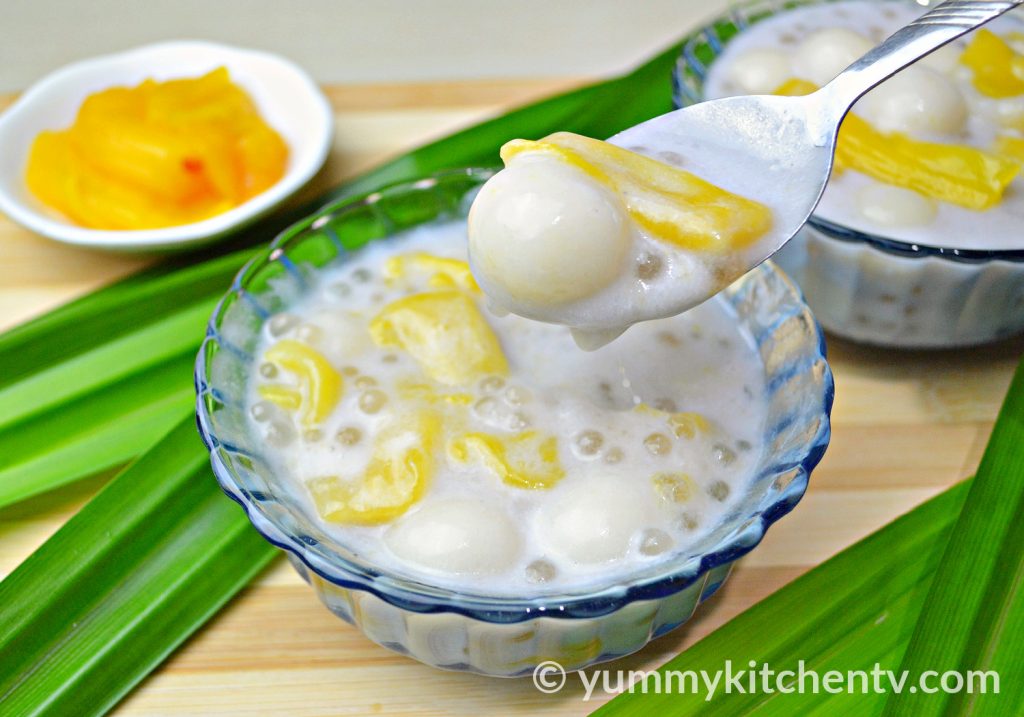
For the Bilo-Bilo Balls
- 2 cups glutinous rice flour
- 1 cup water
For the Coconut Milk Sauce
- 2 cups thick coconut milk
- 4 cups thin coconut milk
- 1 cup sugar (adjust according to taste)
- Pandan leaves (optional)
Additional Ingredients
- 1 cup uncooked tapioca pearls
- 1 cup ripe jackfruit, sliced
How to Make Ginataang Bilo-Bilo
Step 1: Make the Rice Ball Dough
In a mixing bowl, combine the glutinous rice flour and water.
Add the water gradually while mixing to achieve the proper consistency. The dough should be soft, smooth, and pliable—not too sticky and not too dry.
Knead the dough until it comes together nicely.
Step 2: Form the Bilo-Bilo Balls
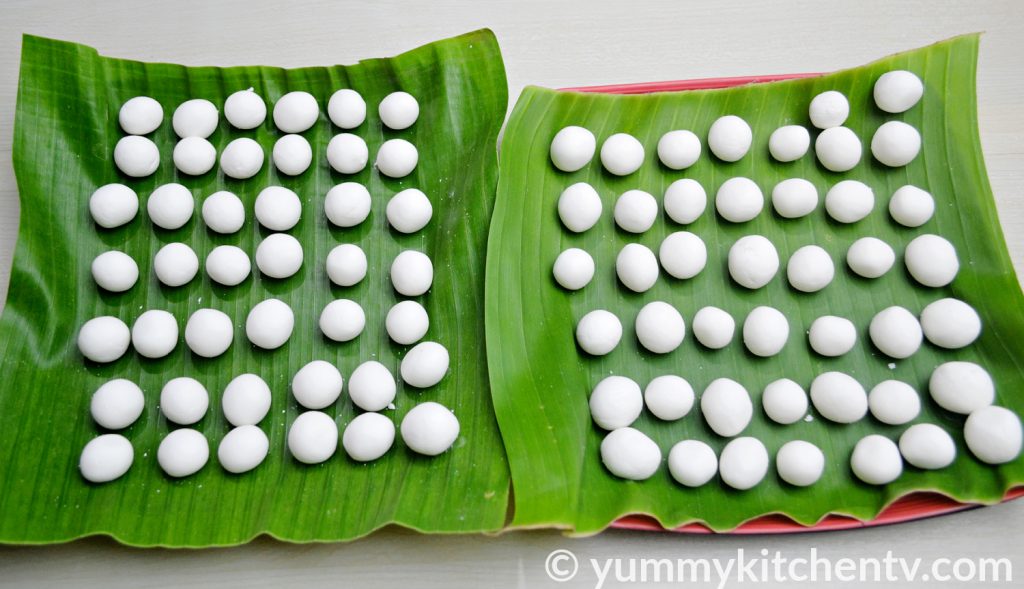
Pinch small portions of the dough and roll them between your palms.
Create small balls about the size of marbles. Try to make them uniform in size so they cook evenly.
Place the finished rice balls on a plate and set aside.
Step 3: Prepare the Coconut Milk Base
In a large pot, combine:
- Thick coconut milk
- Thin coconut milk
- Water
- Sugar
Stir thoroughly until the sugar completely dissolves.
Bring the mixture to a gentle boil over medium heat.
Step 4: Cook the Rice Balls
Once the coconut milk begins to boil, carefully drop the rice balls into the pot one at a time.
Stir gently to prevent them from sticking together.
Continue cooking until the rice balls begin to float.
Floating is usually a sign that they are nearly cooked, but to be sure, remove one rice ball and cut it in half. If there is no white or uncooked center, the rice ball is fully cooked.
Step 5: Add the Remaining Ingredients
Add the cooked tapioca pearls, sliced ripe jackfruit, and pandan leaves.
Allow the mixture to simmer for another 8 to 10 minutes.
During this time, the coconut milk sauce will become slightly thicker and more flavorful.
Step 6: Serve and Enjoy
Once the sauce has reached your desired consistency, remove the pot from the heat.
Serve hot, warm, or chilled according to your preference.
How to Cook Tapioca Pearls (Sago)
Properly cooked tapioca pearls are essential for the perfect ginataang bilo-bilo.
Ingredients
- 1 cup uncooked tapioca pearls
- 6 cups water
Procedure
- Bring the water to a rolling boil.
- Add the tapioca pearls.
- Cook for about 15 minutes while stirring occasionally.
- Add a little more water if necessary and continue stirring.
- Remove from the heat once the pearls become mostly translucent.
- Rinse thoroughly under cold water.
- Soak in clean water until ready to use.
This method helps ensure the tapioca pearls cook evenly all the way through.
Tips for the Best Ginataang Bilo-Bilo

Use Fresh Coconut Milk
Freshly squeezed coconut milk provides the richest flavor and aroma. If available, it is always the best option.
Add Sugar Gradually
Different brands of coconut milk and jackfruit vary in sweetness. Taste as you go and adjust accordingly.
Stir Gently
Avoid vigorous stirring once the rice balls are cooking, as they may break apart.
Use Ripe Jackfruit
Sweet, fragrant jackfruit enhances the flavor of the dessert and complements the coconut milk beautifully.
Don’t Overcook the Tapioca
Overcooked tapioca pearls can become mushy and lose their pleasant chewy texture.

Traditional Variations
One of the reasons ginataang bilo-bilo remains popular is its versatility. Many Filipino families have their own unique version.
With Sweet Potatoes
Cubed kamote adds natural sweetness and a soft texture.
With Saba Bananas
Saba bananas are a traditional addition that makes the dessert even more filling.
With Purple Yam
Adding cubes of ube creates beautiful color and extra flavor.
With Langka and Corn
Some versions include sweet corn kernels alongside ripe jackfruit.
Fiesta-Style Ginataan
Special occasion versions often combine several ingredients, including sweet potatoes, saba bananas, jackfruit, corn, and colorful rice balls.
Storage and Reheating
Refrigerator
Store leftover ginataang bilo-bilo in an airtight container in the refrigerator for up to 3 days.
Reheating
Reheat gently over low heat.
If the mixture becomes too thick after refrigeration, simply add a small amount of water or coconut milk while reheating.
Freezing
Freezing is generally not recommended because the texture of the tapioca pearls and rice balls may change after thawing.
Frequently Asked Questions
Why are my rice balls hard?
Hard rice balls usually result from insufficient water in the dough or overcooking.
The dough should be soft and pliable before rolling.
Can I use canned coconut milk?
Yes. If fresh coconut milk is unavailable, canned coconut milk works very well.
Use 2 to 3 cups of pure coconut milk and add enough water to achieve the required liquid quantity.
Can I make this dessert ahead of time?
Yes. Many people enjoy it the next day because the flavors continue to develop.
Can I serve it cold?
Absolutely. While traditionally served warm, chilled ginataang bilo-bilo is equally delicious, especially during hot weather.
Is ginataang bilo-bilo a dessert or merienda?
It can be both. Many Filipinos enjoy it as an afternoon snack, while others serve it as a dessert after meals.
Serving Suggestions
Ginataang Bilo-Bilo is best enjoyed:
- During rainy afternoons
- As a family merienda
- During Holy Week
- At family reunions
- During fiestas and celebrations
- As a comforting dessert after dinner
Pair it with hot coffee, ginger tea, or simply enjoy it on its own.

Final Thoughts
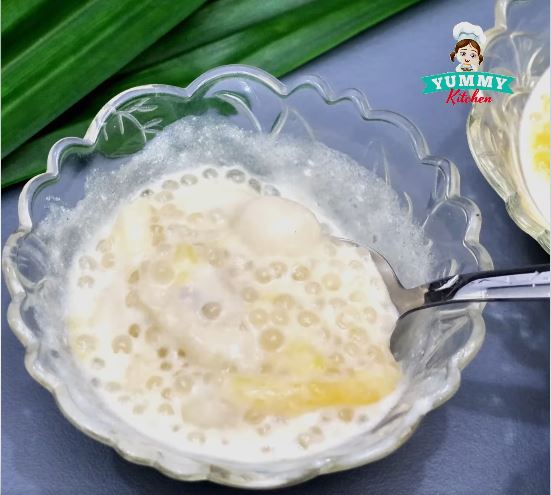
Ginataang Bilo-Bilo is one of the most beloved Filipino coconut milk desserts for good reason. Its combination of creamy coconut milk, chewy rice balls, sweet jackfruit, and soft tapioca pearls creates a comforting treat that generations of Filipinos have enjoyed.
This easy homemade version allows you to recreate the authentic flavors of traditional Filipino merienda using simple ingredients and straightforward steps. Whether you’re introducing international friends to Filipino cuisine or satisfying your own craving for a nostalgic dessert, this Ginataang Bilo-Bilo recipe is guaranteed to bring warmth and sweetness to your table.
Make a pot today and experience why this classic Filipino dessert continues to be a favorite in homes across the Philippines.






Good