Biko with Latik Recipe: Easy Filipino Sticky Rice Cake
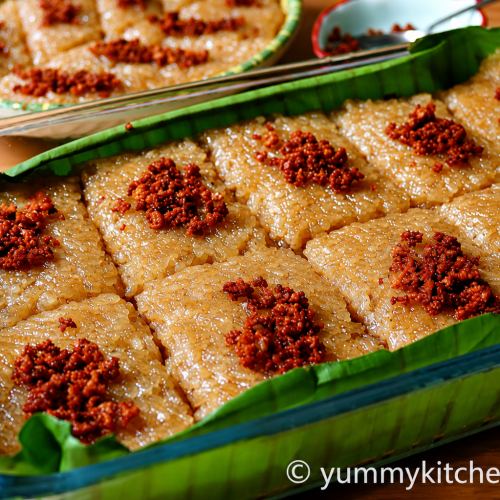
There are Filipino desserts that instantly bring back memories of family gatherings, merienda, fiestas, and holidays. Biko with latik is one of them. This classic Filipino rice cake is made with glutinous rice cooked in a rich mixture of coconut milk and brown sugar, then finished with golden, crunchy latik. It is soft, chewy, sweet, and wonderfully fragrant, making it a favorite among both kids and adults.


Biko with Latik
Equipment
- Rice cooker or cooking pot
- Large wok or deep skillet
- Wooden spoon or Silicone Spatula
- Fine strainer
- Small pan for latik
- 9 x 13-inch tray or similar serving dish
Ingredients
For the Biko
- 3 cups glutinous rice
- 2 cups water
- 3 cups coconut milk
- 1 ½ cups brown sugar
- ½ teaspoon salt
- 3 drops pandan flavor optional
For the Latik
- 1 cup coconut cream
Instructions
- Wash the glutinous rice thoroughly until the water runs mostly clear. Drain well.
- Cook the glutinous rice with 2 cups of water in a rice cooker or pot. Set aside once cooked.
- In a large wok or pan, bring the coconut milk to a boil.
- Add the brown sugar and stir until completely dissolved.
- Lower the heat and continue cooking until the coconut milk mixture becomes slightly thick.
- Add the salt and pandan flavor, if using.
- Add the cooked glutinous rice to the coconut milk mixture. Stir continuously until the rice is completely coated.
- Continue cooking over low heat, stirring frequently, until the coconut mixture is absorbed and the biko becomes very thick, sticky, and difficult to stir.
- Transfer the cooked biko to a greased tray or a tray lined with a wilted banana leaf.
- Flatten and spread the biko evenly. Allow it to cool and set.
- To make the latik, pour the coconut cream into a clean pan and cook over low to medium-low heat.
- Continue cooking until the coconut cream curdles and the coconut oil separates.
- Keep cooking until the coconut curds turn golden brown.
- Strain the cooked coconut curds from the oil. These golden-brown curds are the latik.
- Sprinkle the latik generously over the cooled biko.
- Slice and serve.
Notes
- Use glutinous rice or sticky rice, not regular rice, for the proper chewy texture.
- The rice is cooked with less water before being combined with the coconut milk mixture. This helps prevent the finished biko from becoming too soft.
- Keep the heat low while cooking the rice and coconut mixture and stir frequently to prevent it from sticking or burning.
- If using fresh pandan leaves instead of pandan flavor, add 2–3 pandan leaves while cooking the coconut milk mixture. Remove them before adding the cooked rice.
- For fresh coconut, approximately 3 large coconuts can provide the coconut milk and cream needed for the recipe.
- Line the tray with a wilted banana leaf for a more traditional presentation and subtle aroma.
- Let the biko cool completely before slicing so it can set properly.
- Watch the latik closely during the final stage because the coconut curds can quickly go from golden brown to burnt.
- Store leftover biko in a covered container in the refrigerator.
Nutrition
What makes this biko recipe special is its simple, familiar ingredients. You do not need an oven or complicated equipment. With a little patience for stirring, you can make a delicious tray of homemade biko right on your stovetop.
If you are looking for an easy Filipino dessert for merienda, celebrations, or Undas, this Biko with Latik is definitely worth making. Let’s get cooking!
What Is Biko?

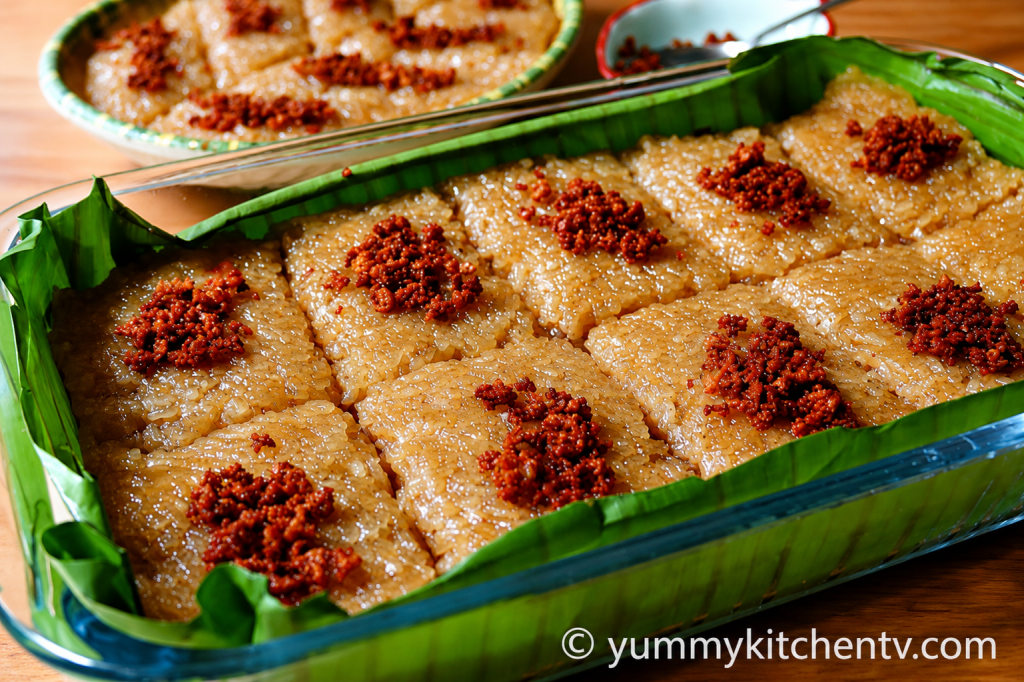
Biko is a traditional Filipino dessert made primarily with glutinous rice, coconut milk, and sugar. It is sometimes called Filipino sticky rice cake or sweet sticky rice. The cooked rice is combined with a thick, sweet coconut mixture until it becomes sticky and rich, then pressed into a tray to cool and set.
The texture is the star of the dessert. Properly cooked biko should be soft and chewy without being watery or mushy. The brown sugar gives it a deep caramel-like sweetness, while coconut milk adds a creamy flavor. A little pandan flavor also gives the dessert a pleasant aroma.
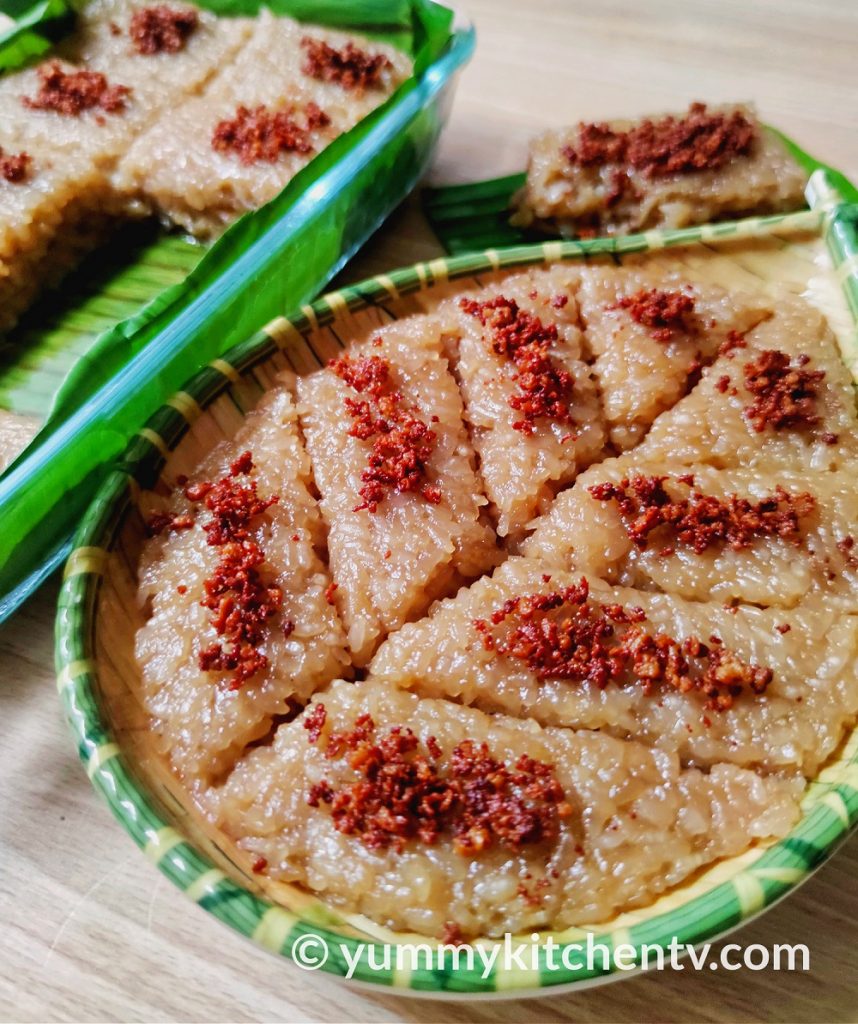
For this version, the biko is topped with latik, the golden-brown coconut curds produced when coconut cream is cooked until the coconut oil separates. The combination of chewy biko and slightly crisp, nutty latik makes every bite extra delicious.
Why You’ll Love This Biko Recipe
This Filipino biko recipe is easy enough for beginners but special enough for celebrations. Here are a few reasons to try it:
- No oven needed. Everything is cooked on the stovetop.
- Simple ingredients. Glutinous rice, coconut milk, brown sugar, and coconut cream do most of the work.
- Great for sharing. One batch makes enough for family merienda or a small gathering.
- Make-ahead friendly. Biko sets beautifully as it cools and can be prepared ahead of serving time.
- Delicious texture. It is soft, sticky, chewy, and topped with flavorful homemade latik.
Ingredients
For the Biko
- 3 cups glutinous rice
- 2 cups water
- 3 cups coconut milk
- 1 ½ cups brown sugar
- ½ teaspoon salt
- 3 drops pandan flavor, optional
For the Latik
- 1 cup coconut cream
How to Cook Biko with Latik
1. Cook the Glutinous Rice
Wash the glutinous rice several times until the water runs mostly clear. Drain well, then cook it with 2 cups of water. You can use a rice cooker or cook it in a pot over low heat, just as you would regular rice.
The rice does not need to be completely dry because it will finish cooking in the coconut milk and sugar mixture. Using the right amount of water also helps keep the finished biko pleasantly chewy instead of overly soft.
2. Prepare the Coconut Mixture
While the rice is cooking, place the coconut milk in a large, wide wok or pan. Bring it to a boil over medium heat, then add the brown sugar. Stir continuously or frequently until the sugar completely dissolves.
Lower the heat and allow the mixture to simmer until it becomes noticeably thicker. If you are using pandan flavor, add it together with the salt once the mixture has thickened.
3. Combine the Rice and Coconut Mixture
Add the cooked glutinous rice to the thickened coconut mixture. Stir carefully but thoroughly so every grain of rice is coated. Keep the heat low and continue stirring as the mixture cooks.
This is the part that requires patience. As the rice absorbs the sweet coconut mixture, the biko will become thicker and stickier. Keep stirring to prevent the bottom from scorching. When the mixture becomes very thick and difficult to stir, it is nearly ready.
4. Transfer and Set
Grease a tray or serving dish lightly with coconut oil or butter. For a more traditional presentation, line the tray with a wilted banana leaf before adding the biko.
Transfer the hot mixture into the prepared tray. Use a lightly greased spatula or spoon to flatten and spread it evenly. Let the biko cool completely before slicing. Cooling gives it time to firm up and makes it easier to cut into neat portions.
How to Make Latik
Making latik is surprisingly simple, although it requires attention because coconut cream can change quickly once it starts cooking.
Pour the coconut cream into a clean pan and cook over low to medium-low heat. As it simmers, the cream will begin to curdle. White coconut curds will form while the coconut oil gradually separates.
Continue cooking and stirring occasionally until the curds turn golden brown. Watch them closely near the end because they can go from golden to burnt quickly.
Once the curds are nicely browned, strain them to separate the latik from the coconut oil. Allow the latik to cool slightly, then scatter it generously over the cooled biko.
Tips for Making the Best Biko
Use glutinous rice. Regular rice will not give you the signature sticky, chewy texture of biko.
Do not rush the cooking. Keep the heat low when reducing the coconut milk mixture and when combining it with the rice. Slow cooking helps the flavors develop and reduces the chance of burning.
Stir regularly. The rice and sugar mixture becomes very sticky, so frequent stirring is important, especially once it starts getting thick.
Do not skip the cooling time. Freshly cooked biko is very soft. Letting it cool allows the dessert to set properly.
Use banana leaves if available. A wilted banana leaf not only makes the biko look more traditional but also adds a subtle, pleasant aroma.
Using Pandan Leaves
If you do not have pandan flavor, you can use fresh pandan leaves instead. Add two or three pandan leaves while boiling the coconut milk and brown sugar mixture. Remove the leaves before adding the cooked rice.
Fresh pandan gives the biko a naturally sweet, fragrant aroma and is a wonderful option when available.
Using Fresh Coconut
If you have access to fresh coconut, you can use it instead of canned coconut products. For this recipe, about three large pieces of fresh coconut can be used. Press the grated coconut twice to obtain coconut cream and coconut milk.
The first pressing produces richer coconut cream, which is ideal for making latik. The second pressing can be used as coconut milk for the biko. Fresh coconut gives the dessert an especially rich and authentic flavor.
Biko During Undas
In many Filipino families, food is closely connected to memories, traditions, and remembering loved ones. Biko is one of the dishes that some families prepare during Undas, particularly around All Saints’ Day and All Souls’ Day.
In some households, biko may be prepared and placed on the altar as part of family remembrance traditions. Practices vary from one family and community to another, but the presence of familiar homemade food can make these occasions feel especially meaningful.
Whether you make biko for Undas, a fiesta, a birthday, or an ordinary afternoon merienda, it is a dessert that brings people together.

Storage and Reheating
Once completely cooled, cover the biko tightly and refrigerate it. It can be enjoyed chilled, at room temperature, or gently reheated. If refrigerated, allow it to sit at room temperature for a few minutes before serving for a softer texture.
For reheating, place individual pieces in the microwave for a short time until warmed through. You can also gently steam the biko to bring back some of its soft, chewy texture.
Serving Suggestions
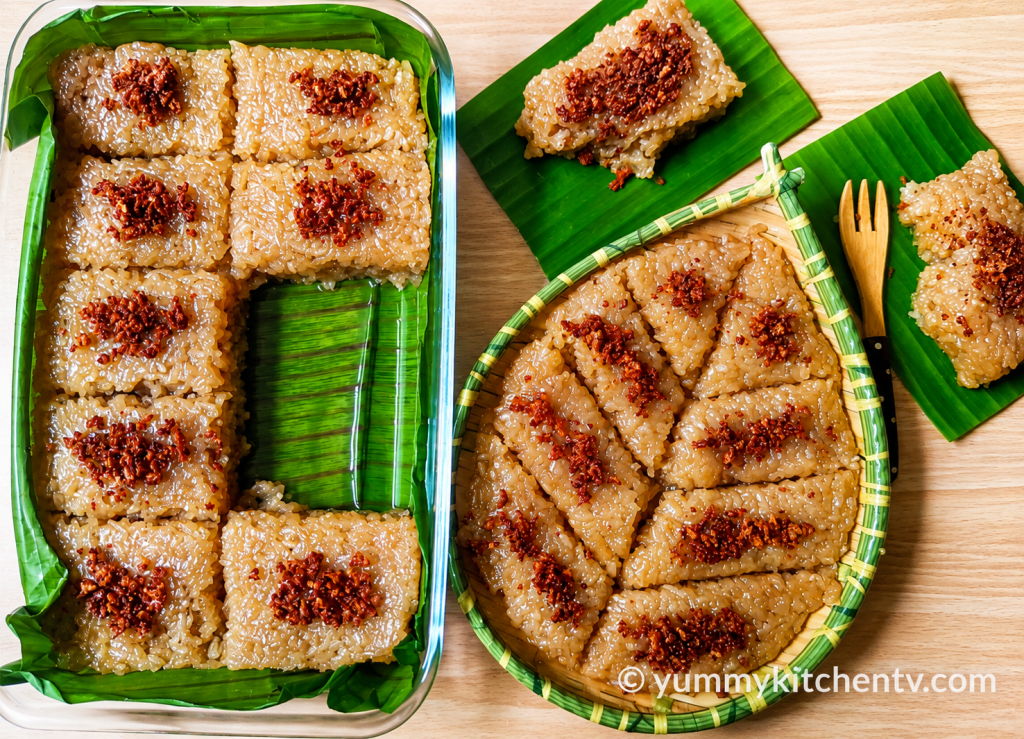
Serve Biko with Latik in squares or rectangles. It pairs beautifully with coffee, hot chocolate, or tea. For gatherings, cut it into smaller pieces so everyone can enjoy a bite.
The golden latik can be sprinkled generously on top just before serving. You can also add extra latik to individual portions for guests who love that rich coconut flavor.
Conclusion
This easy Biko with Latik recipe turns humble glutinous rice, coconut milk, and brown sugar into a wonderfully satisfying Filipino dessert. The chewy rice, rich coconut flavor, caramel-like sweetness, and golden homemade latik create a combination that is hard to resist.
With simple ingredients and a little patience, you can make this traditional Filipino sticky rice cake at home. Prepare a tray for merienda, celebrations, or Undas, and enjoy a taste of Filipino comfort food with the people you love.

BIKO WITH LATIK RECIPE TAGALOG

- 3 tasa ng malagkit na bigas
- 2 tasa ng tubig
- 3 tasa ng purong gata
- 1 ½ tasa ng pulang asukal
- ½ kutsaritang asing
- 3 patak ng Pandan Flavor (optional) or dahon ng pandan
- 1 tasa ng kakang gata (for latik)
Paano Lutuin:
1. Hugasan Mabuti ang malagkit na bigas hanggang sa malinaw na ang tubig. Lagyan ng 2 tasa ng tubig. Lutuin sa mahinang apoy hanggang sa maluto o kaya naman ay lutuin sa rice cooker na kagaya ng pagluluto ng regular na bigas. Pagkaluto, itabi muna.
2. Sa isang kawali, pakuluin ang purong gata. Kapag kumukulo na, ilagay na ang asukal. Haluin Mabuti hanggang matunaw. Lutuin sa mahinang apoy hanggang sa lumapot.
3. Kapag malapot na, maglagay ng asin at pandan flavor. (kung gagamit ng fresh na dahon ng pandan, isabay na ito sa pagpapakulo ng gata, alisin lamang pag kumukulo na). Ilagay na rin ang nalutong malagkit na bigas. Lutuin sa mahinang apoy hanggang sa maiga o mawala ang sabaw at maging malagkit.
4. Kapag Nawala na ang sabaw at mahirap nang haluin, luto na ito. Ilipat na sa lalagyan na may dahon ng saging. Palaparin at pakinisin ang ibabaw. Itabi muna habang ginagawa ang latik.
5. Sa paggawa naman ng latik, pakuluin ang kakang gata sa isang kawali. Lutuin hanggang sa magbuo-buo. Yung buo-buo ang magiging latik. Magsisimulang humiwalay ang mantika at yung latik. Lutuin ito hanggang sa mag-brown ang latik. Pag luto na, salain ang latik para maihiwalay ang mantika.
6. Ilagay ang latik sa ibabaw ng biko. Enjoy!