Pichi Pichi Recipe: Soft, Chewy, and Perfect for Merienda
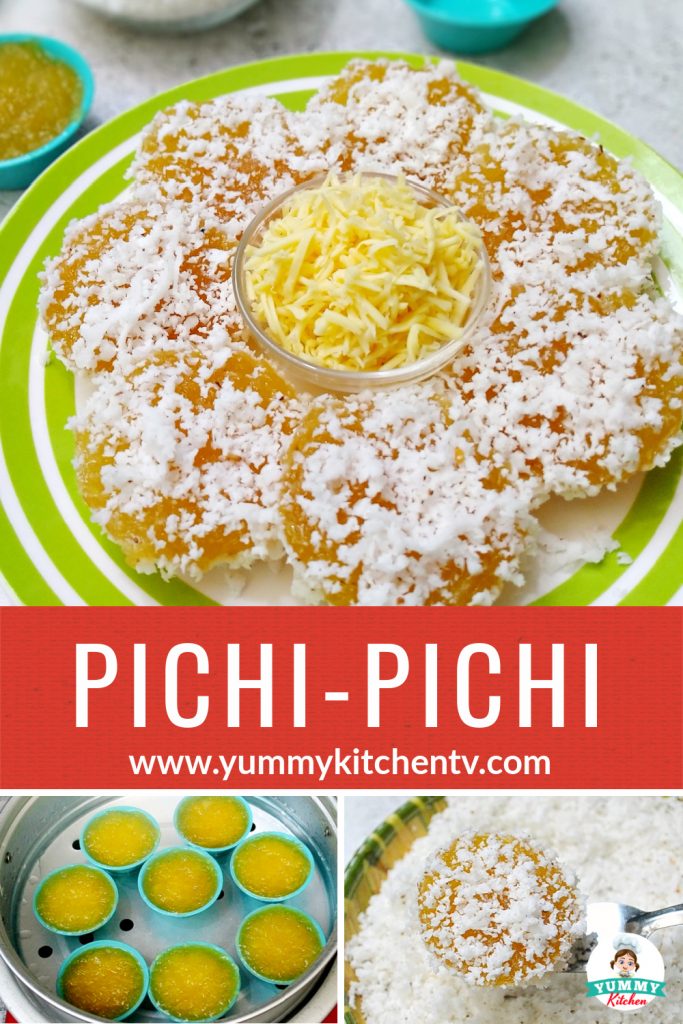
If you grew up in the Philippines, there is a good chance you have seen colorful trays of pichi pichi lined up in bakery windows, markets, or small neighborhood stores. This soft and chewy Filipino snack is one of the most loved kakanin treats because it is simple, affordable, and incredibly satisfying. Covered with freshly grated coconut or topped with cheese, pichi pichi is the kind of merienda that disappears quickly once served.
This classic pichi pichi recipe is made with grated cassava, sugar, pandan essence, and lye water. The mixture is steamed until soft, glossy, and chewy. While many people think making pichi pichi is difficult, it is actually one of the easiest Filipino desserts you can prepare at home.
In this guide, you will learn how to make pichi pichi using fresh cassava, how to use frozen grated cassava, why lye water matters, and how to get that perfect chewy texture every single time. Whether you are craving a nostalgic snack or planning to serve homemade kakanin for family gatherings, this recipe is definitely worth trying.
What is Pichi Pichi?
Pichi pichi is a popular Filipino delicacy made from cassava. It belongs to the kakanin family, which includes rice cakes and native delicacies often served during celebrations, fiestas, and afternoon snacks.
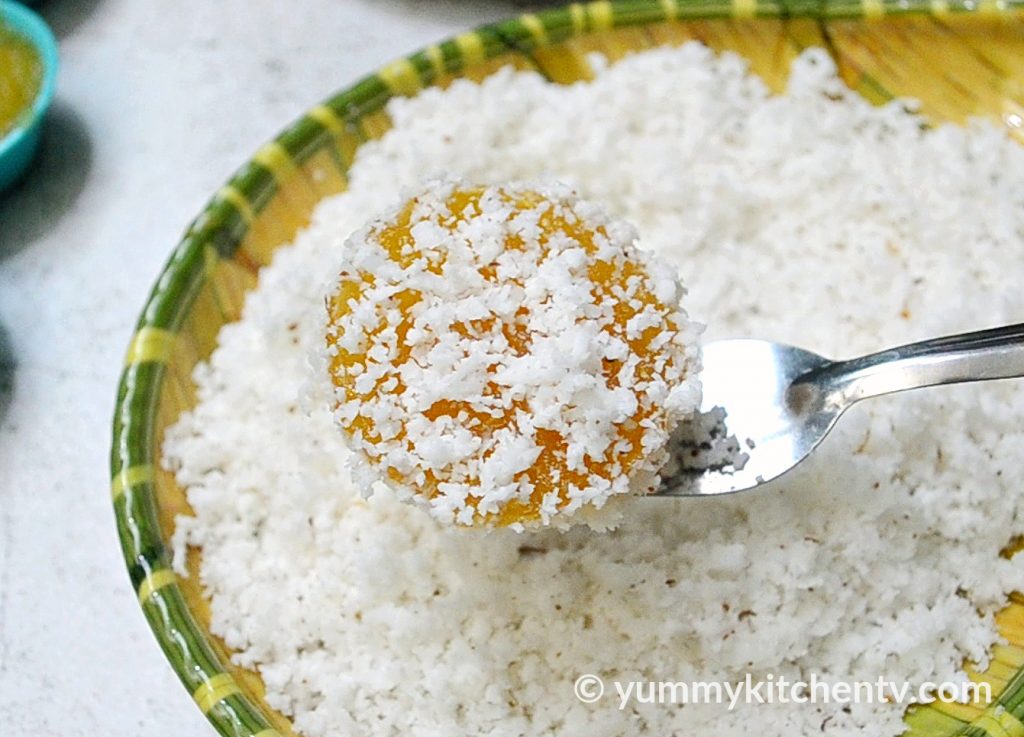
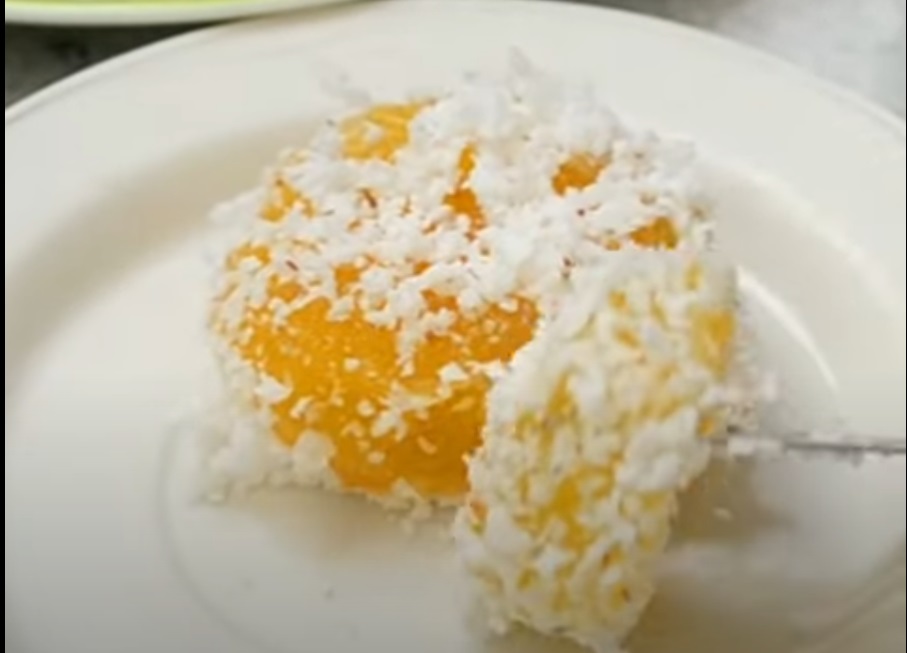
Unlike baked desserts, pichi pichi is steamed. The steaming process gives it a soft, sticky, and slightly gelatinous texture that many Filipinos love. The dessert is commonly coated with grated coconut, although cheese lovers also enjoy adding shredded cheese on top for a salty and creamy contrast.
Street vendors, local bakeries, and market stalls often sell pichi pichi in bright colors like green, yellow, or purple. Pandan essence is usually added for flavor and color, while ube flavoring is another fun variation.
The best thing about homemade pichi pichi is that you can customize it however you want. You can keep it traditional with coconut coating or get creative with cheese, ube, or even coconut milk.

Pichi-pichi
18
MediumThese simple ingredients are easy to find in local markets and supermarkets. Fresh cassava is ideal, but frozen grated cassava also works perfectly.
Ingredients
2 Cups Grated fresh cassava
1 Cup Sugar
1 Cup Water
1/2 tsp Pandan essence
1/2 tsp Lye water (lihiya)
Grated coconut (coating)
Grated cheese (coating) optional
Step-by-Step Pichi Pichi Recipe
- Prepare the Cassava
If using fresh cassava, peel and wash it thoroughly. Grate the cassava finely using a grater.
Once grated, lightly squeeze the cassava to remove excess juice. Do not squeeze too much because you still want some moisture in the mixture. - Mix the Ingredients
Place the grated cassava into a large mixing bowl.
Add the sugar and water, then mix well until fully combined.
Pour in the pandan essence and lye water. Stir thoroughly until the mixture looks smooth and evenly colored. - Prepare the Molds
Lightly grease your molds to prevent sticking.
Fill each mold with the cassava mixture. Do not overfill because the mixture will slightly expand during steaming.
Medium-sized molds work best for evenly cooked pichi pichi. - Steam the Pichi Pichi
Arrange the molds inside a steamer.
Steam for about 30 minutes over medium heat. Larger molds may require a longer cooking time.
You will know the pichi pichi is ready when the color becomes more translucent and the texture looks firm. - Cool and Coat
Remove the molds from the steamer and allow them to cool completely.
Carefully remove the pichi pichi from the molds.
Roll each piece in freshly grated coconut or top with grated cheese.
Serve and enjoy.
Why Cassava is Important
Cassava is the star ingredient in pichi pichi. It gives the dessert its chewy texture and slightly sweet flavor. Fresh cassava root is widely available in wet markets across the Philippines.
If you are using fresh cassava, peel the root carefully and wash it thoroughly before grating. Some cassava varieties contain a lot of natural liquid, so you may need to squeeze out excess juice after grating.
Frozen grated cassava is a convenient option if fresh cassava is unavailable. Many Asian grocery stores carry frozen grated cassava in the freezer section. Simply thaw it before using. If it still contains too much liquid after thawing, gently squeeze out the excess moisture.
Using cassava flour is another option for making pichi pichi, although many people prefer fresh or frozen cassava for a more authentic texture.
What Does Lye Water Do?
Many first-time cooks ask about lye water. This ingredient plays a huge role in creating the chewy texture that makes pichi pichi delicious.
Lye water, also known locally as lihiya, helps firm up the mixture during steaming. Without it, the texture may become softer and less chewy.
You can usually buy lye water in public markets, grocery stores, or baking supply sections. It is commonly sold in small bottles and is very affordable.
If you prefer to make pichi pichi without lye water, you still can. Simply avoid squeezing too much liquid from the cassava and reduce the water slightly. The flavor will remain delicious, although the texture may be softer.
Tips for the Best Pichi Pichi
Making pichi pichi is easy, but these tips can make your homemade version even better.
Use Fresh Coconut
Freshly grated coconut gives the best flavor and texture. It adds a natural sweetness that pairs perfectly with chewy cassava.
Do Not Over-Squeeze the Cassava
Removing too much liquid can make the pichi pichi dry. Only squeeze enough juice to remove excess moisture.
Grease the Molds Well
Properly greased molds make it easier to remove the cooked pichi pichi without breaking.
Allow It to Cool
Warm pichi pichi is delicate and sticky. Letting it cool completely helps it firm up before coating.
Experiment with Flavors
Pandan is classic, but ube essence also works beautifully. You can even add coconut milk instead of water for a richer flavor.


Popular Pichi Pichi Variations
One reason Filipinos love pichi pichi is because it is easy to customize.
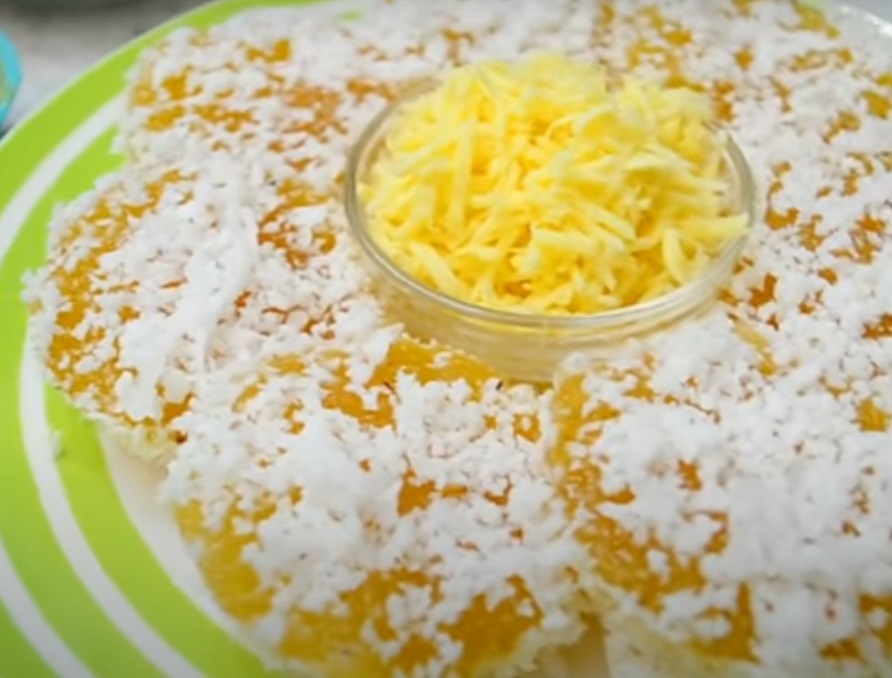
Pichi Pichi with Cheese
Adding grated cheese creates a sweet and salty flavor combination that many people enjoy. Cheese also makes the snack look more festive and appealing.
Ube Pichi Pichi
Want a colorful twist? Add ube flavoring and purple food color to create ube pichi pichi. It has the same chewy texture with a delicious ube aroma.
Coconut Milk Pichi Pichi
For extra richness, replace water with coconut milk. This version tastes creamier and more indulgent.
Pichi Pichi Without Lye Water
If lye water is unavailable, you can still make pichi pichi. The texture may be softer, but it will still taste delicious.Pichi Pichi Recipe

Why Filipinos Love Pichi Pichi
Pichi pichi is more than just a snack. For many Filipinos, it brings back memories of childhood merienda, family gatherings, and trips to local markets.
Its soft texture, mild sweetness, and coconut coating create a comforting combination that feels both nostalgic and satisfying.
Unlike expensive desserts, pichi pichi is budget friendly and made with simple ingredients. That is one reason why it remains popular in homes, bakeries, and food stalls across the country.
It is also easy to prepare in large batches, making it perfect for birthdays, fiestas, potlucks, and holiday celebrations.
How to Store Pichi Pichi
If you have leftovers, store your pichi pichi in an airtight container inside the refrigerator.
It stays fresh for up to three days.
Before serving, you can let it sit at room temperature for a few minutes to soften slightly.
If coated with fresh coconut, consume it sooner because coconut spoils faster than cheese.

Final Thoughts
Homemade pichi pichi is one of the easiest Filipino kakanin recipes you can learn. With just a few affordable ingredients, you can create a delicious snack that is soft, chewy, sweet, and incredibly satisfying.
Whether you use fresh cassava or frozen grated cassava, the process is simple enough even for beginners. Once you master the basic recipe, you can experiment with cheese, ube flavoring, coconut milk, or different toppings.

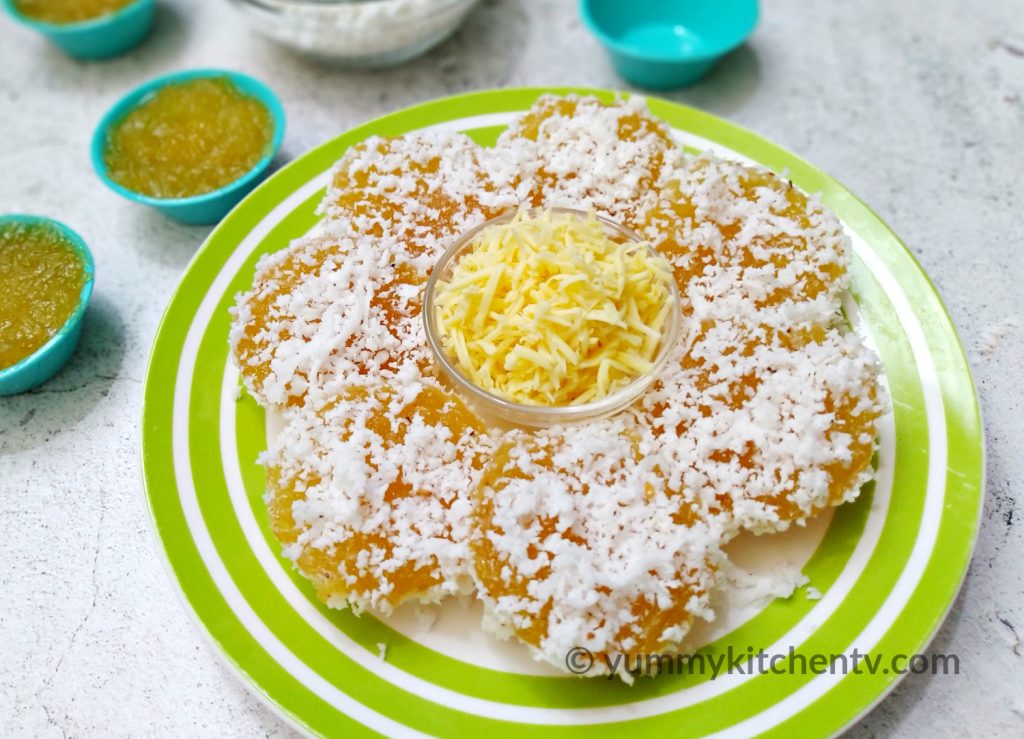
This classic Filipino dessert continues to win hearts because it is comforting, flavorful, and perfect for sharing with family and friends.
So if you are craving a nostalgic merienda or searching for an easy Filipino dessert recipe, try making homemade pichi pichi today. One bite of this chewy cassava delicacy covered in coconut or cheese will instantly remind you why it remains a Filipino favorite.
Serve it with hot coffee, tea, or cold juice, and enjoy every sweet and chewy bite.
Making pichi pichi at home can also become a fun bonding activity with family members. Kids enjoy helping with the coating, while adults usually love experimenting with different toppings and colors. Some people even shape the mixture into creative molds for parties and celebrations. Because the recipe is budget friendly, it is also perfect for small food businesses or homemade snack boxes. Many Filipinos sell pichi pichi during holidays, town fiestas, and school events because it is easy to prepare in large batches. Once you taste freshly steamed pichi pichi covered with sweet coconut or savory cheese, you will understand why this simple cassava delicacy continues to stay popular in Filipino homes. Every bite delivers sweetness, chewiness, comfort, and a delicious taste of tradition. It is simple, affordable, comforting, filling, memorable, and perfect for merienda.