Palitaw Recipe – Soft and Chewy Filipino Rice Cake
If you are looking for a classic Filipino delicacy that is simple, affordable, and delicious, this Palitaw Recipe is perfect for you. Made with glutinous rice flour, coated with freshly grated coconut, and topped with toasted sesame seeds and sugar, palitaw is one of the most loved Filipino kakanin snacks.
This soft and chewy rice cake is a favorite merienda in many Filipino homes. You can often find it in local markets, churchyards, food stalls, and even family gatherings. The best part? You can easily make this traditional Filipino snack right at home using only a few simple ingredients.
Whether you grew up eating palitaw or are trying it for the first time, this easy homemade recipe will surely bring comfort and happiness in every bite.
What is Palitaw?
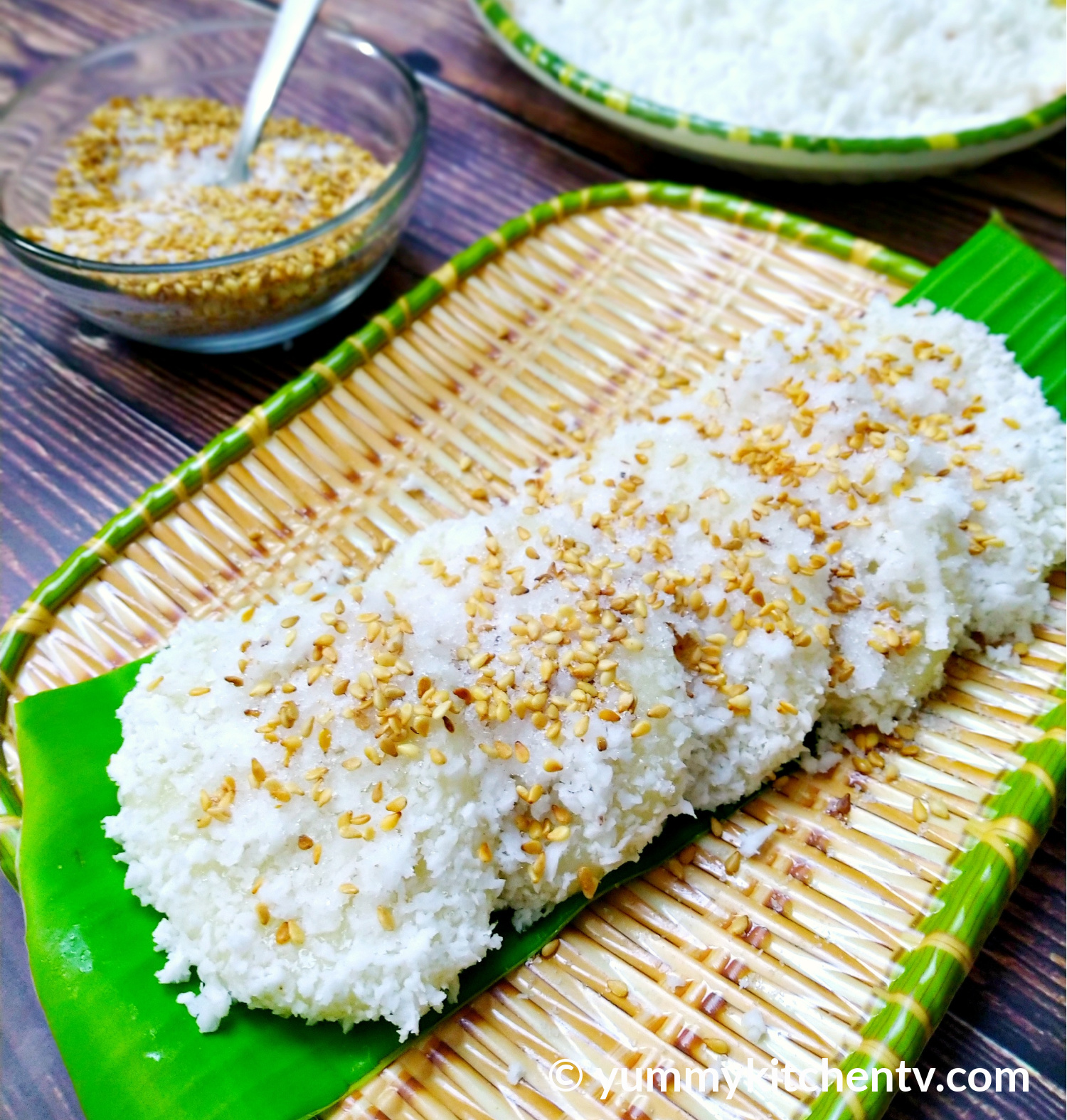
Palitaw is a traditional Filipino rice cake made from glutinous rice flour and water. The dough is shaped into flat oval pieces and boiled until they float to the surface. In fact, the word “palitaw” comes from the Filipino word “litaw,” which means “to float” or “to rise.”
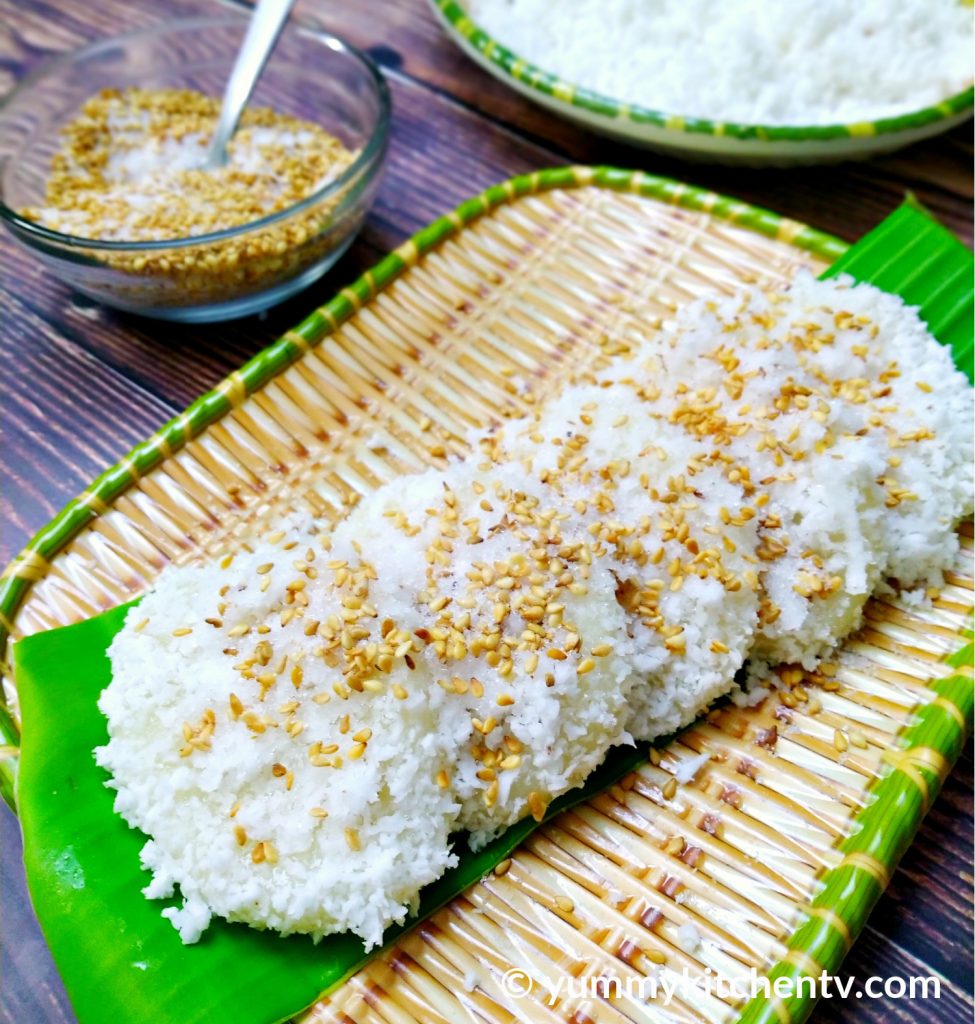
Once cooked, the rice cakes are coated with grated coconut and sprinkled with a delicious mixture of toasted sesame seeds and sugar.
This Filipino delicacy is known for its soft, chewy texture and sweet nutty flavor. It is commonly eaten as a snack or dessert and pairs perfectly with coffee, tea, or cold drinks.

Palitaw
4
servingsIngredients
2 Cups Glutinous rice flour (malagkit powder)
1/2 Cup Sesame seeds
1/2 Cup Sugar
1 Cup Grated coconut
1 Cup Water
Directions
- Place the sesame seeds in a dry pan over low heat.
Toast them slowly while stirring occasionally until they become light brown and aromatic. This usually takes around 10 to 15 minutes.
Once toasted, remove from heat and let them cool completely.
Lightly crush the sesame seeds to release more flavor, then mix them with sugar. Set aside. - In a mixing bowl, combine the glutinous rice flour and water.
Mix thoroughly until a soft dough forms. The dough should be smooth and easy to shape. If it feels too dry, add a little more water. If it becomes too sticky, add a little more rice flour. - Scoop around 2 tablespoons of dough and roll it into a ball.
Flatten it gently into an oval or circular shape.
Repeat the process until all the dough is used. - Bring a pot of water to a boil.
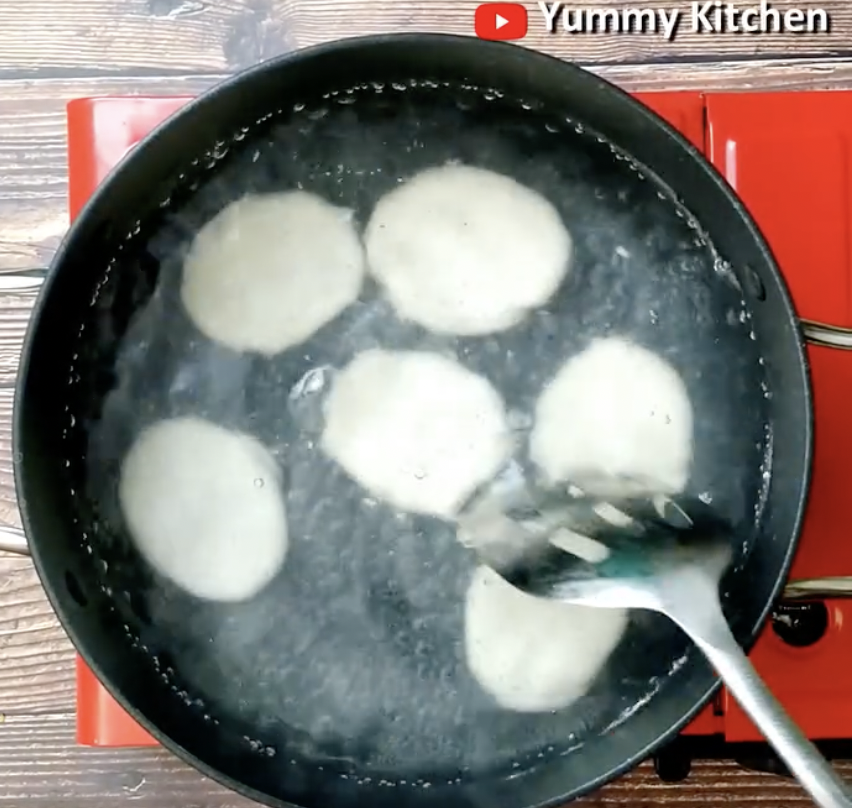
Carefully drop the shaped palitaw pieces into the boiling water.
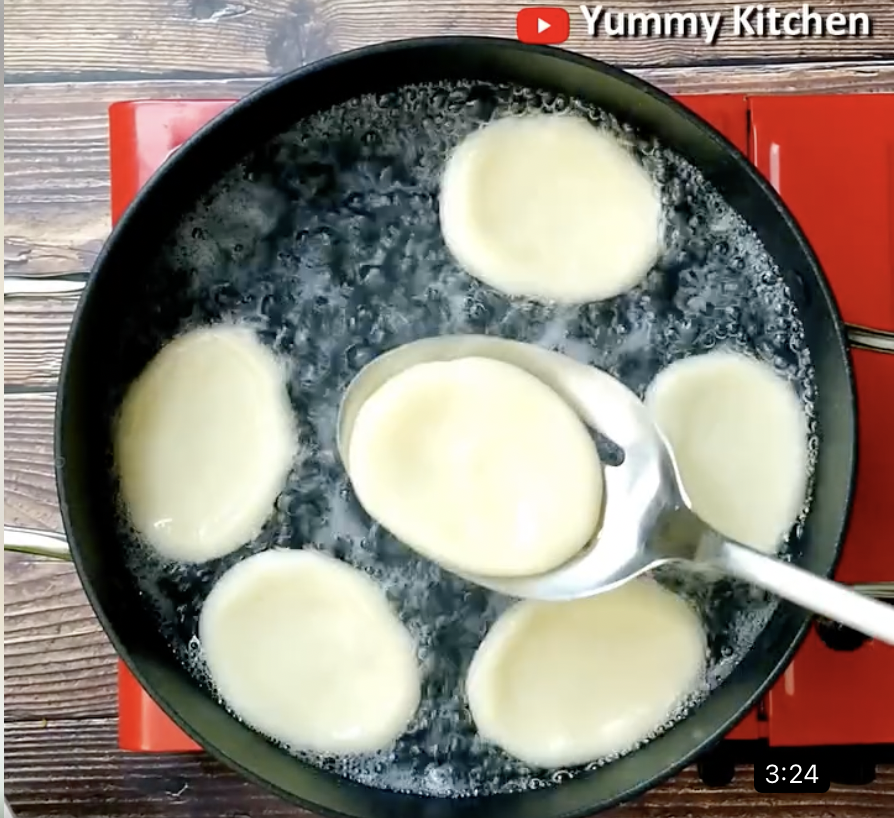
Cook until they float to the surface. Floating means they are already cooked. - Remove the cooked palitaw from the water and drain excess liquid.
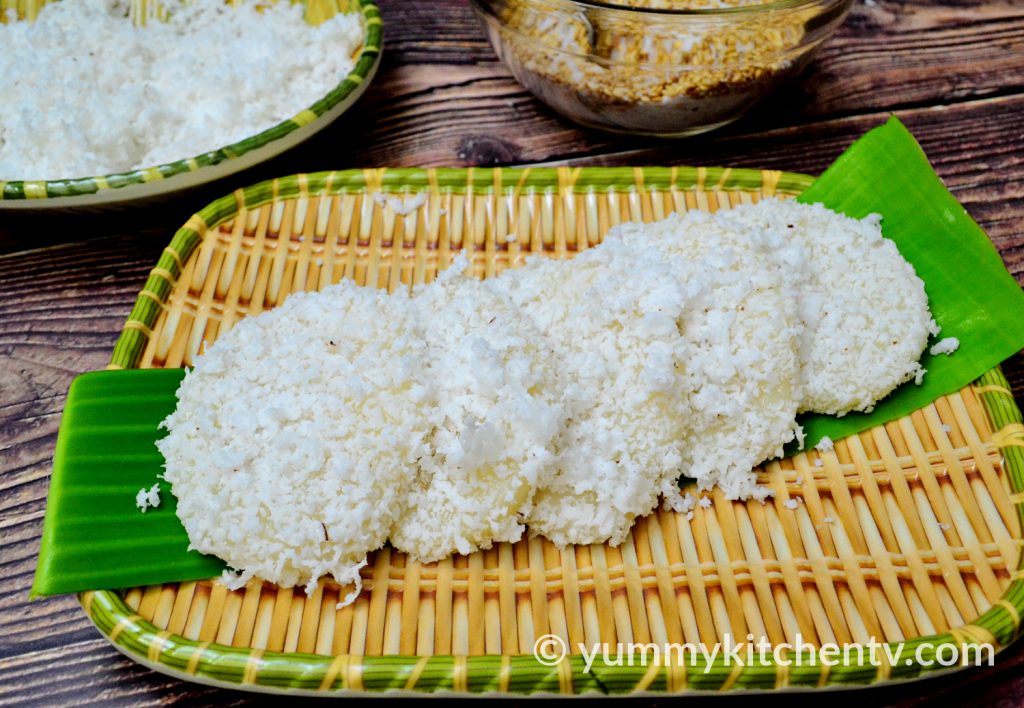
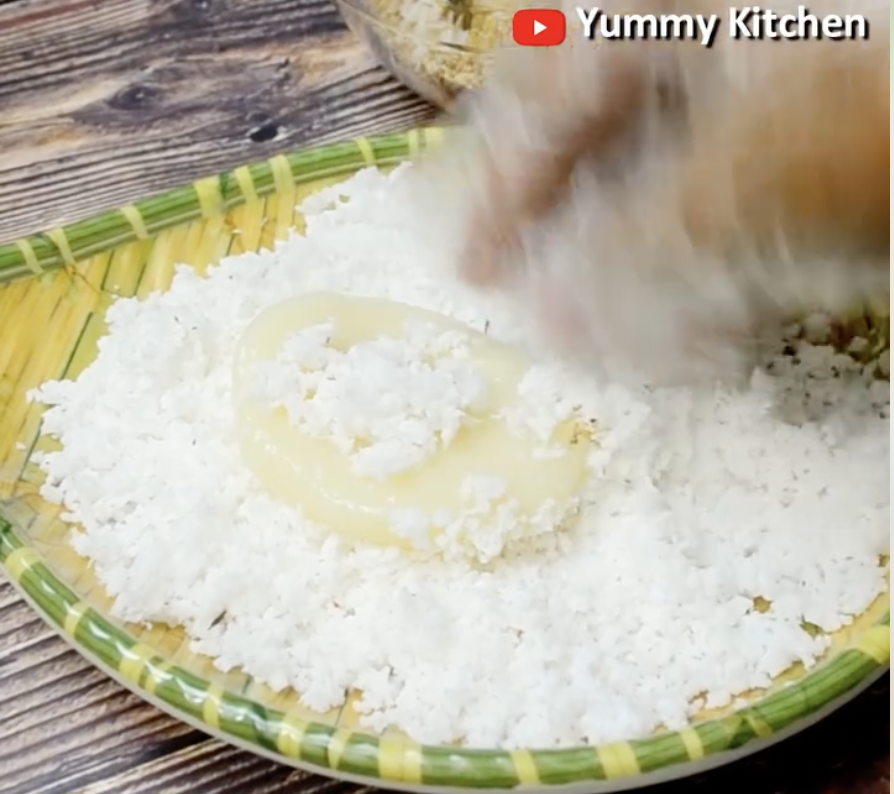
Roll or coat them with freshly grated coconut.
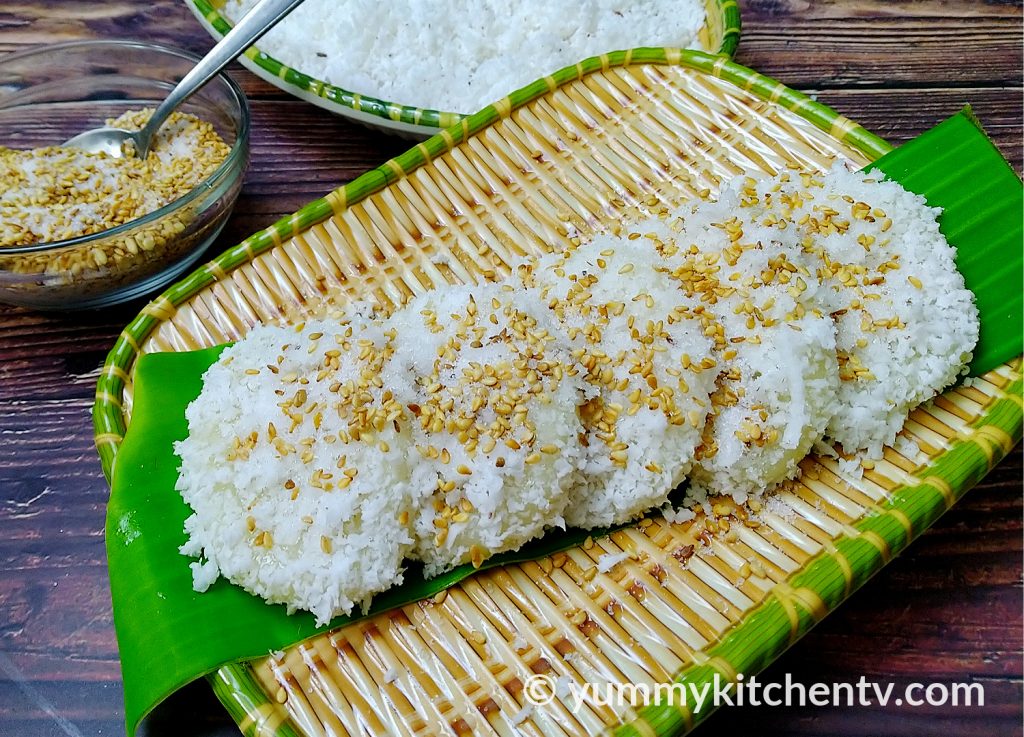
Top with the toasted sesame seed and sugar mixture.
Serve warm and enjoy!


Why You’ll Love This Palitaw Recipe
There are many reasons why Filipinos continue to love this classic kakanin. Here are a few reasons why this recipe is worth trying:
- Easy and beginner-friendly
- Uses simple and affordable ingredients
- Soft, chewy, and delicious
- Perfect for merienda or dessert
- Budget-friendly homemade snack
- No baking required
- Ready in just a few minutes
If you love traditional Filipino rice cakes, this homemade palitaw recipe is definitely a must-try.
Ingredients for Palitaw
You only need a few basic ingredients to make this delicious Filipino snack.
For the Palitaw Dough
- 2 cups glutinous rice flour (malagkit powder)
- 1 cup water
For the Toppings
- 1 cup grated coconut
- 1/2 cup sesame seeds
- 1/2 cup sugar
These simple ingredients come together beautifully to create a satisfying and nostalgic Filipino treat.

How to Make Palitaw
Making homemade palitaw is surprisingly easy. Follow these simple steps to make soft and chewy rice cakes at home.
Step 1: Toast the Sesame Seeds
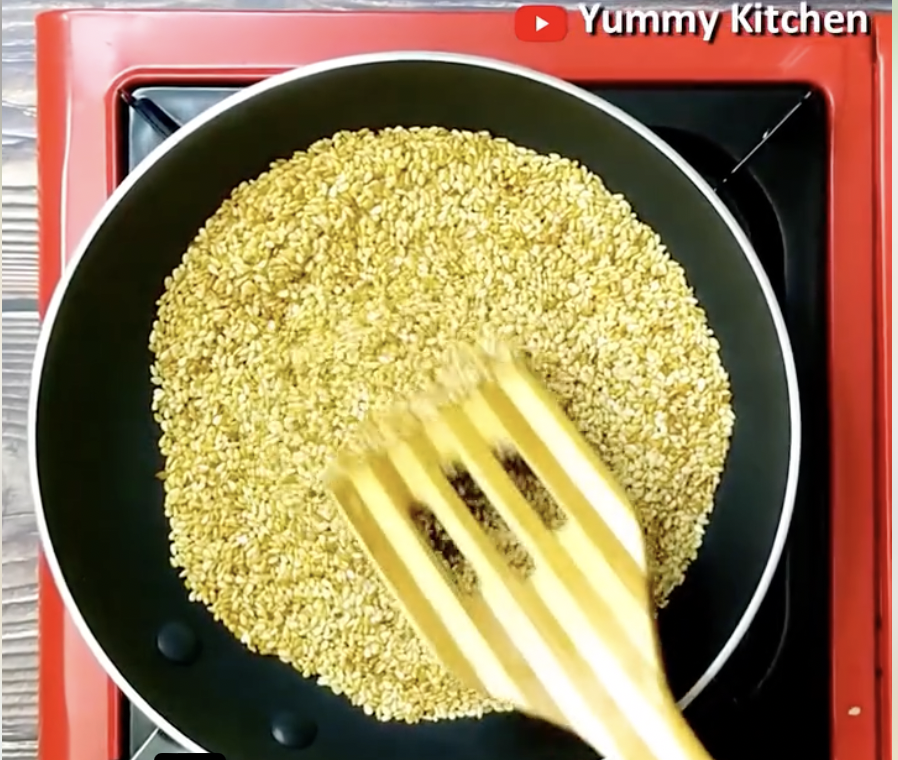
Place the sesame seeds in a dry pan over low heat.
Toast them slowly while stirring occasionally until they become light brown and aromatic. This usually takes around 10 to 15 minutes.
Once toasted, remove from heat and let them cool completely.
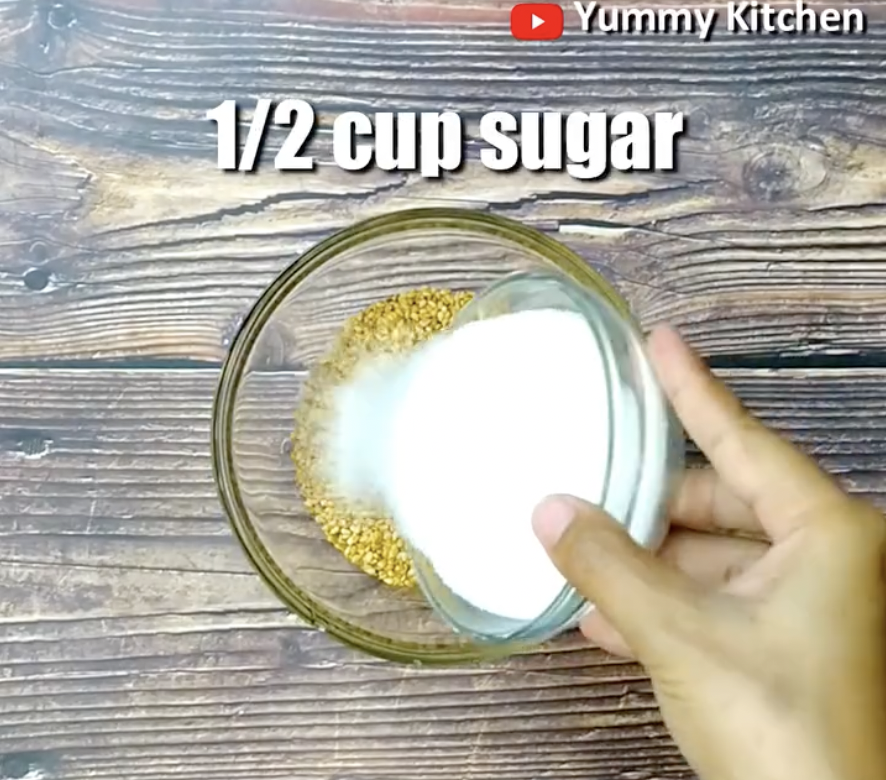
Lightly crush the sesame seeds to release more flavor, then mix them with sugar. Set aside.




Step 2: Make the Dough
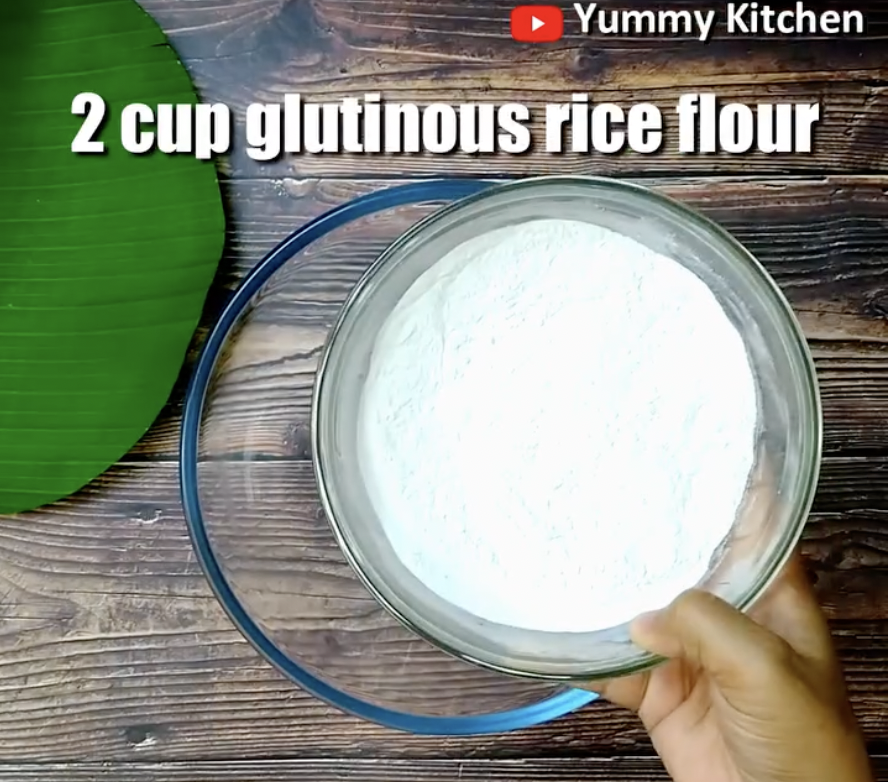
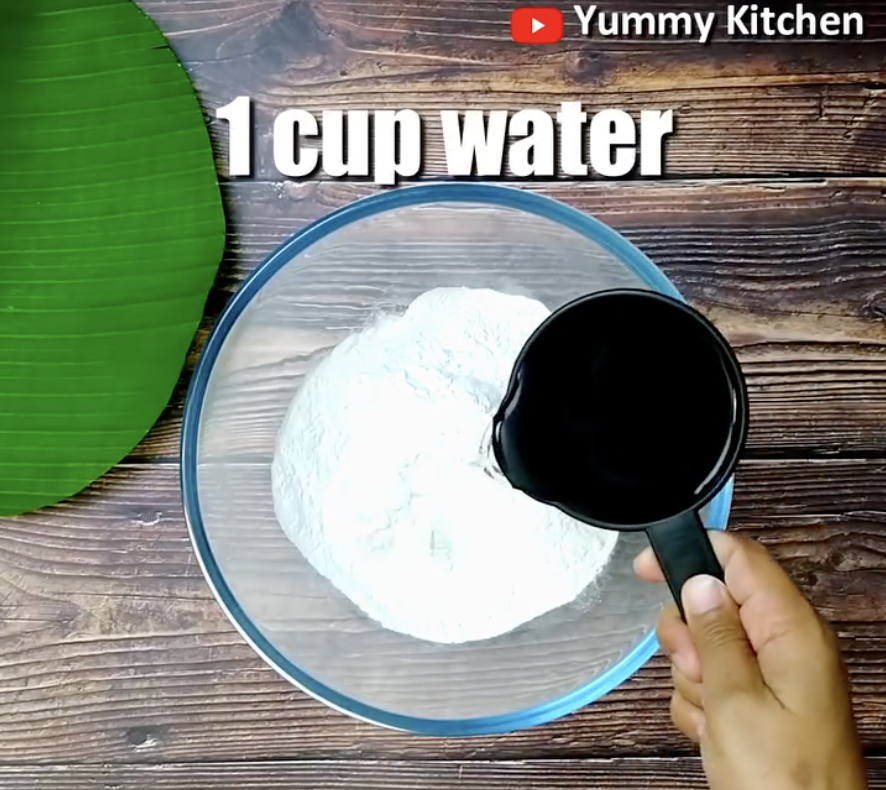
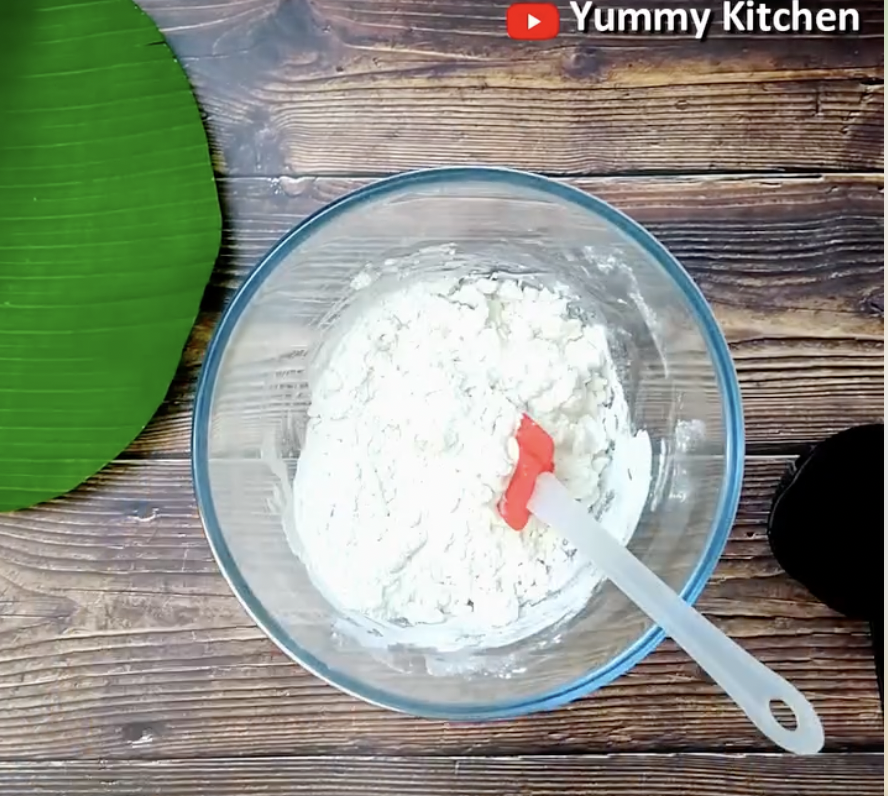
In a mixing bowl, combine the glutinous rice flour and water.
Mix thoroughly until a soft dough forms. The dough should be smooth and easy to shape. If it feels too dry, add a little more water. If it becomes too sticky, add a little more rice flour.



Step 3: Shape the Palitaw
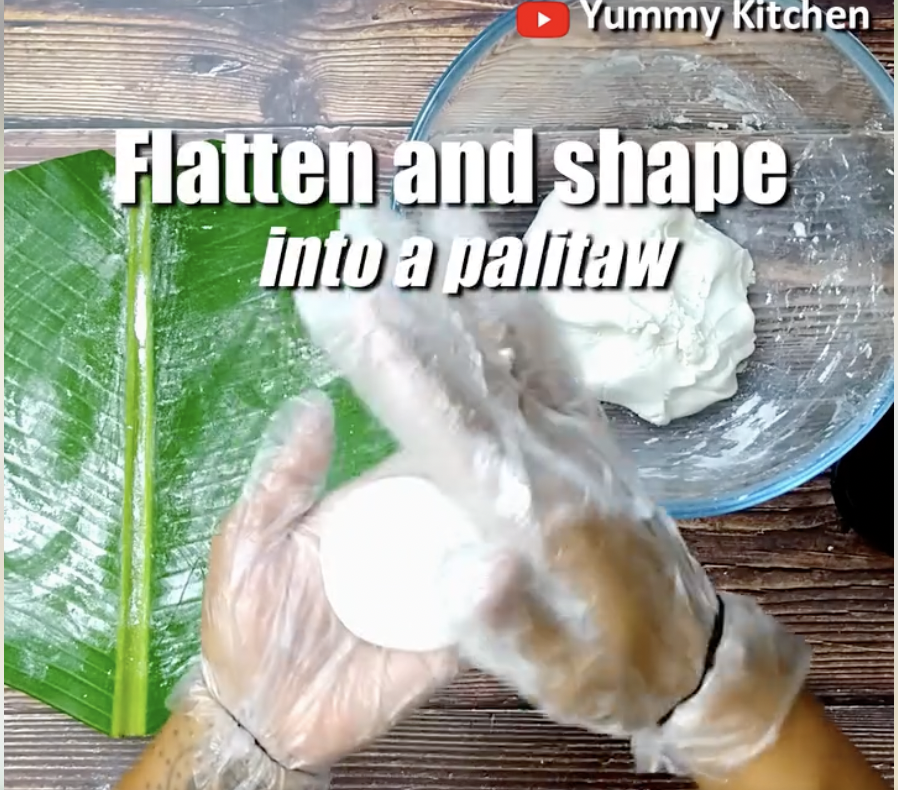
Scoop around 2 tablespoons of dough and roll it into a ball.
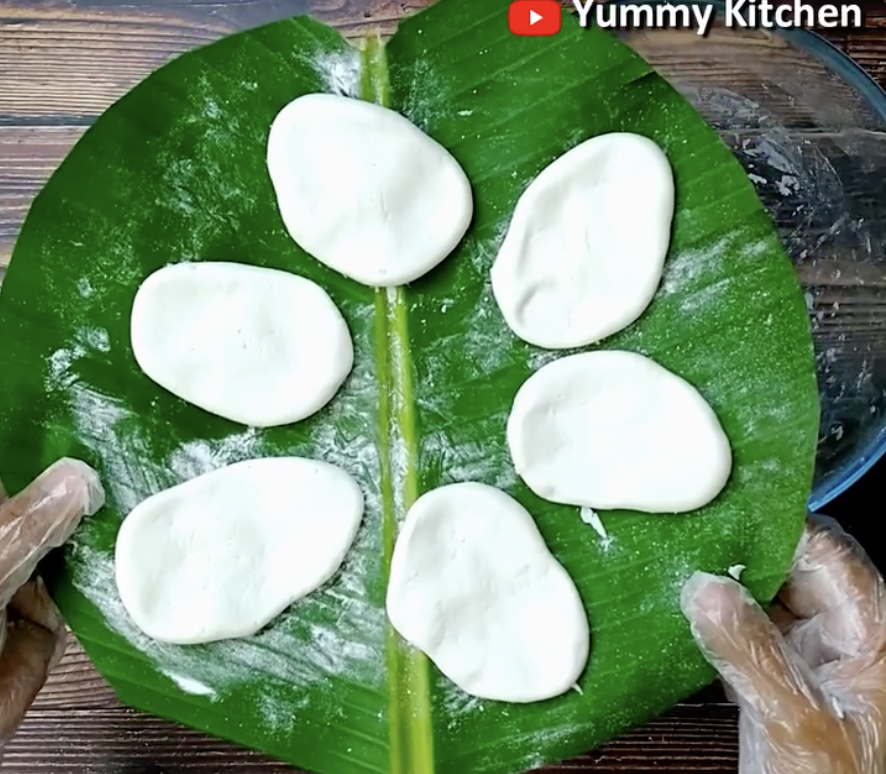
Flatten it gently into an oval or circular shape.
Repeat the process until all the dough is used.




Step 4: Boil the Palitaw
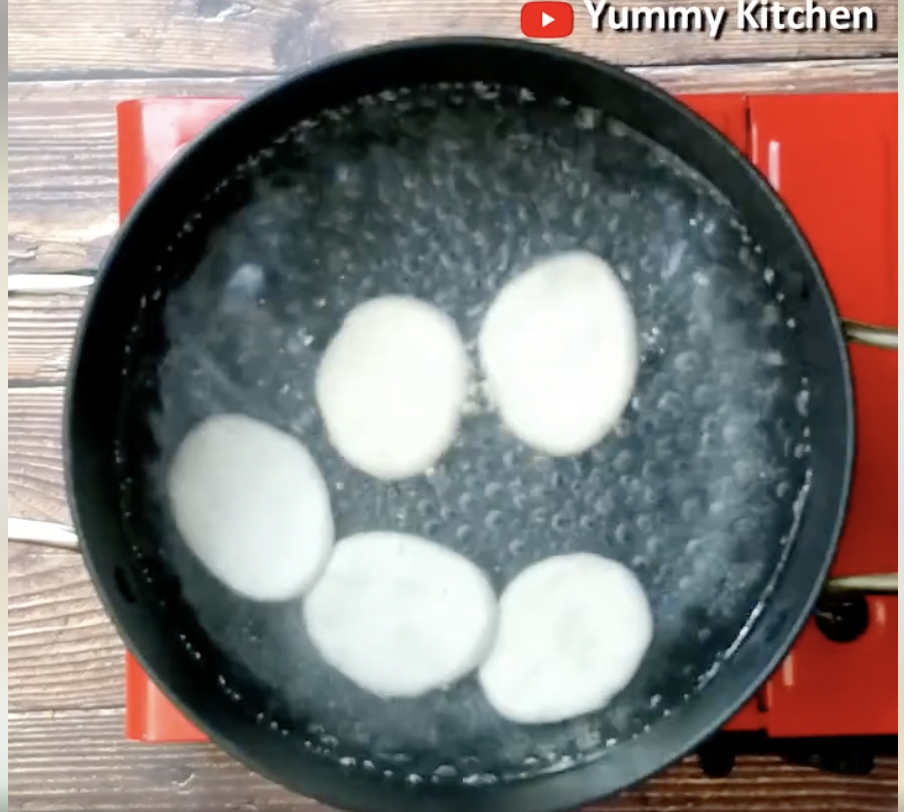
Bring a pot of water to a boil.
Carefully drop the shaped palitaw pieces into the boiling water.
Cook until they float to the surface. Floating means they are already cooked.




Step 5: Coat with Coconut and Toppings
Remove the cooked palitaw from the water and drain excess liquid.
Roll or coat them with freshly grated coconut.
Top with the toasted sesame seed and sugar mixture.
Serve warm and enjoy!




The Secret to Soft and Chewy Palitaw
The secret to making delicious soft palitaw lies in the texture of the dough.
Here are some helpful tips:
- Do not add too much water.
- Knead the dough gently until smooth.
- Use fresh glutinous rice flour.
- Avoid overcooking the rice cakes.
When done correctly, palitaw should be chewy but still soft and tender.

Why Filipinos Love Palitaw
Palitaw is more than just a snack. For many Filipinos, it is a comforting childhood favorite filled with happy memories.
Many people remember buying warm palitaw from vendors outside churches or local markets. Others remember their parents or grandparents making this sticky rice delicacy during family gatherings and celebrations.
Its simple ingredients and homemade charm make palitaw one of the most beloved traditional Filipino kakanin.
Budget-Friendly Filipino Snack
One of the reasons why palitaw remains popular is because it is very affordable to make.
Using only rice flour, water, coconut, sesame seeds, and sugar, you can already prepare a delicious snack for the whole family.
This makes it perfect for:
- Everyday merienda
- Family snacks
- Small food businesses
- Fiesta desserts
- Potluck gatherings
Even on a tight budget, you can still enjoy this delicious Filipino delicacy at home.
Modern Cooking Made Easier
Back in the day, making rice cakes required grinding soaked sticky rice manually. Thankfully, cooking traditional Filipino delicacies has become much easier today because of instant glutinous rice flour.
You can now easily buy pre-milled malagkit flour in supermarkets and public markets. This saves time and effort while still giving you the same chewy and delicious texture.
All you need to do is mix the flour with water, shape the dough, boil, and coat with toppings.
In just a few minutes, you can already enjoy freshly made homemade palitaw.
Best Toppings for Palitaw
The classic topping combination for palitaw is grated coconut, sugar, and toasted sesame seeds. However, you can also experiment with other toppings to make it more exciting.
Here are some delicious ideas:
- Brown sugar
- Crushed peanuts
- Cheese
- Coconut sugar
- Latik
- Chocolate drizzle
These toppings can add extra flavor and texture to your homemade rice cakes.
Can You Store Palitaw?
Palitaw is best eaten fresh while still soft and chewy. However, you can still store leftovers properly.
How to Store
Place leftover palitaw in an airtight container and refrigerate.
How to Reheat
Steam or microwave briefly before serving to soften the rice cakes again.
Avoid storing them for too long because they may harden in the refrigerator.
Tips for Perfect Homemade Palitaw
Want to make the best homemade palitaw? Here are some useful tips:
1. Use Fresh Coconut
Freshly grated coconut gives the best flavor and texture.
2. Toast the Sesame Seeds Properly
Toasting enhances the nutty flavor and aroma of the sesame seeds.
3. Don’t Overcrowd the Pot
Boil the palitaw in batches to prevent sticking.
4. Keep the Dough Moist
Cover the dough while shaping to prevent it from drying out.
5. Serve Immediately
Palitaw tastes best when freshly cooked and warm.
Different Versions of Palitaw
Over the years, people have created different variations of this classic Filipino delicacy.
Ube Palitaw
Made with ube flavoring or purple yam for a colorful twist.
Cheesy Palitaw
Topped with grated cheese for a sweet and salty combination.
Chocolate Palitaw
Drizzled with chocolate syrup for a modern dessert version.
Pandan Palitaw
Infused with pandan flavor for extra aroma and color.
These fun versions make palitaw even more exciting to eat.
Perfect Partner for Coffee or Tea
Palitaw is best enjoyed with your favorite hot or cold drink.
Here are some perfect pairings:
- Kapeng barako
- Hot chocolate
- Milk tea
- Iced coffee
- Salabat
The sweetness and chewiness of palitaw pair wonderfully with warm beverages, making it an ideal afternoon snack.
A Traditional Filipino Delicacy Worth Sharing
One beautiful thing about Filipino food is how it brings people together. Palitaw is often shared during gatherings, celebrations, and simple family afternoons.
Because it is easy to prepare and inexpensive, many families continue making this classic snack generation after generation.
Even today, palitaw remains one of the most comforting and nostalgic Filipino kakanin recipes.
Final Thoughts
This Palitaw Recipe is simple, delicious, and deeply connected to Filipino culture and tradition. With its soft chewy texture, sweet coconut coating, and nutty sesame topping, every bite feels comforting and satisfying.
Whether you are craving a nostalgic Filipino snack or simply looking for an easy homemade kakanin recipe, this palitaw is definitely worth making.
Using only a few affordable ingredients, you can create a tasty merienda that the whole family will enjoy. Plus, it’s quick, easy, and beginner-friendly.
So gather your ingredients and start making your own homemade Filipino palitaw today. One bite of this sweet chewy rice cake will surely make your merienda extra special!