Ginisang Bagoong Recipe: Filipino Sautéed Shrimp Paste
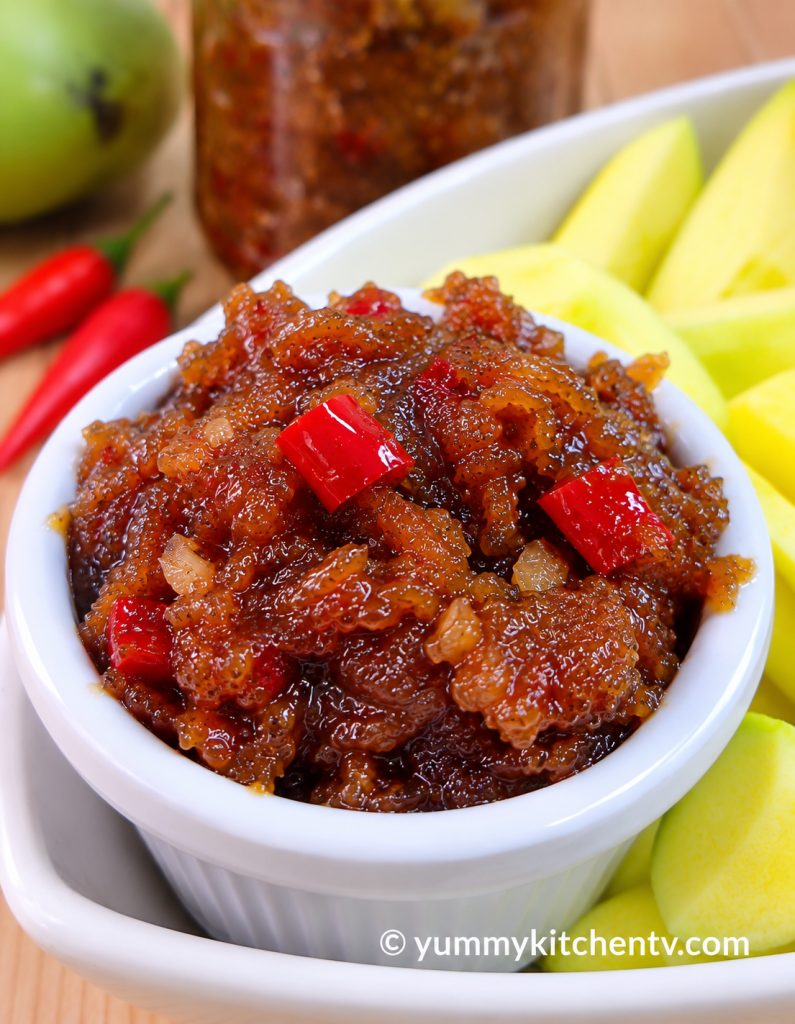
If you love the classic Filipino combination of green mangoes and bagoong, this Ginisang Bagoong recipe is one to keep in your kitchen. Also called Sautéed Shrimp Paste, this flavorful condiment transforms salty shrimp paste into a rich, sweet, savory, and slightly spicy dip that is hard to resist.


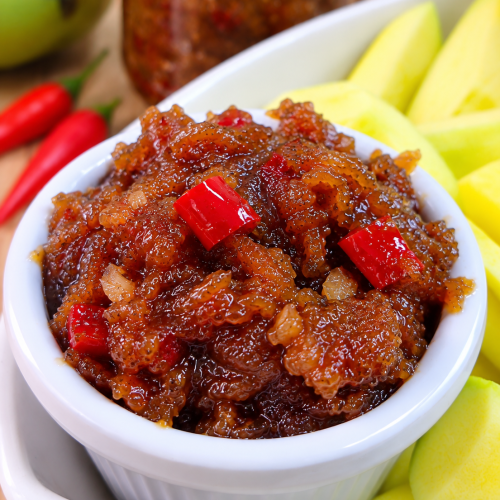
Ginisang Bagoong (Sautéed Shrimp Paste)
Equipment
- Large frying pan with lid
- Strainer
- Knife
- Cutting board
- Measuring cups and spoons
- Wooden spoon or spatula
- Clean airtight container
Ingredients
- 2 cups shrimp paste bagoong alamang
- 1 cup pork fat
- 1/2 cup water
- 1 medium onion chopped
- 4 cloves garlic minced
- 2 tomatoes minced
- 1/2 tablespoon ground black pepper
- 1 tablespoon vinegar
- 1 cup brown sugar or more to taste
- 1 chili chopped, optional
Instructions
- Rinse the shrimp paste. Place the shrimp paste in a strainer and carefully rinse with water to remove some of the excess salt. Drain well and set aside.
- Render the pork fat. Heat a large pan over low to medium heat. Add the pork fat and 1/2 cup water. Cover and braise for about 5 minutes.
- Reduce the heat to low and continue cooking for about 10 minutes, or until the pork fat becomes browned and most of the water has evaporated. Carefully remove the lid to avoid hot oil splatters.
- Sauté the aromatics. Push the cooked pork fat to one side of the pan. Add the chopped onion and minced garlic to the rendered fat. Sauté until fragrant and softened.
- Add the tomatoes. Add the minced tomatoes and stir together with the onion and garlic. Cover and cook for about 3 minutes, allowing the tomatoes to soften and release their juices.
- Add the shrimp paste. Add the drained shrimp paste and stir thoroughly until it is well combined with the aromatics and pork fat.
- Season. Add the ground black pepper, vinegar, and brown sugar. Stir well until the sugar dissolves into the mixture.
- Add chili. If you prefer spicy bagoong, add the chopped chili and mix well.
- Simmer. Cover the pan and simmer over low to medium heat for 15–20 minutes. Stir occasionally to prevent the mixture from sticking or burning.
- Finish. Continue cooking until the bagoong becomes thicker and the sugar has caramelized slightly. Taste and adjust the sweetness, acidity, or seasoning according to your preference.
- Cool and store. Turn off the heat and allow the bagoong to cool slightly before transferring it to a clean, airtight container.
Notes
Nutrition
The shrimp paste is cooked with pork fat, onion, garlic, tomatoes, vinegar, black pepper, and brown sugar. As everything simmers together, the flavors become deeper and the sugar caramelizes, giving the bagoong a beautifully balanced taste. Add chopped chili if you enjoy the heat.
For many Filipinos, Ginisang Bagoong is more than just a condiment. It is a familiar part of merienda, summer outings, family meals, and simple moments around the table. Pair it with crisp green mangoes, spoon it over hot rice or serve it alongside your favorite Filipino dishes.

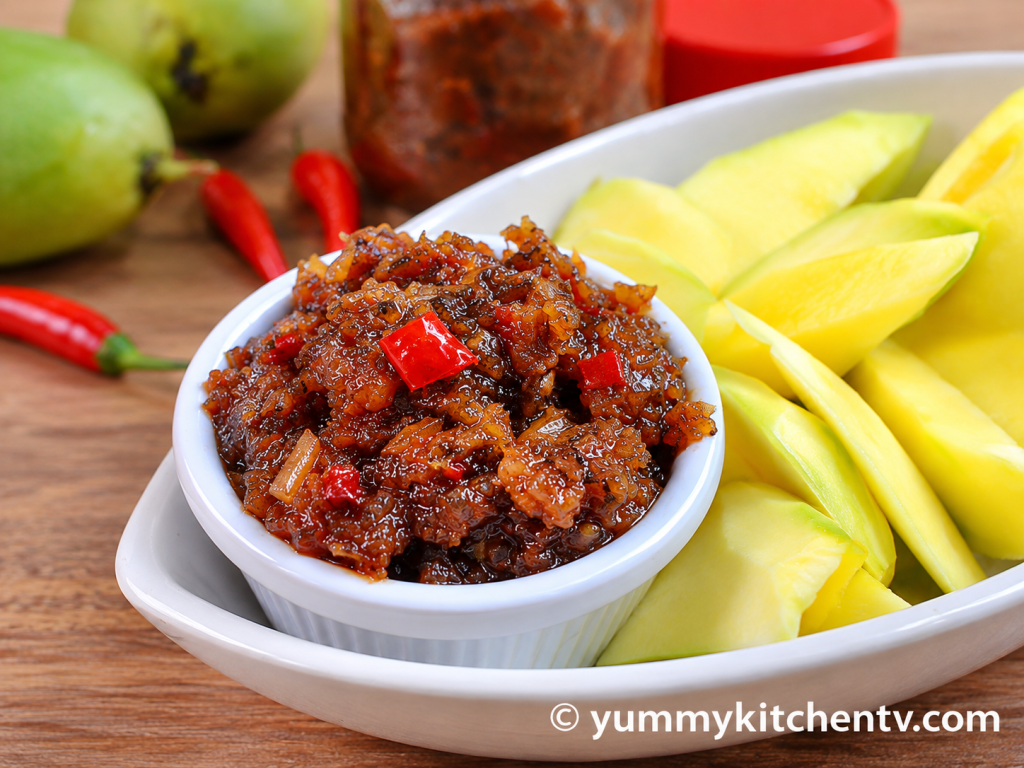
Watch how to cook Ginisang Bagoong Alamang
What Is Ginisang Bagoong?

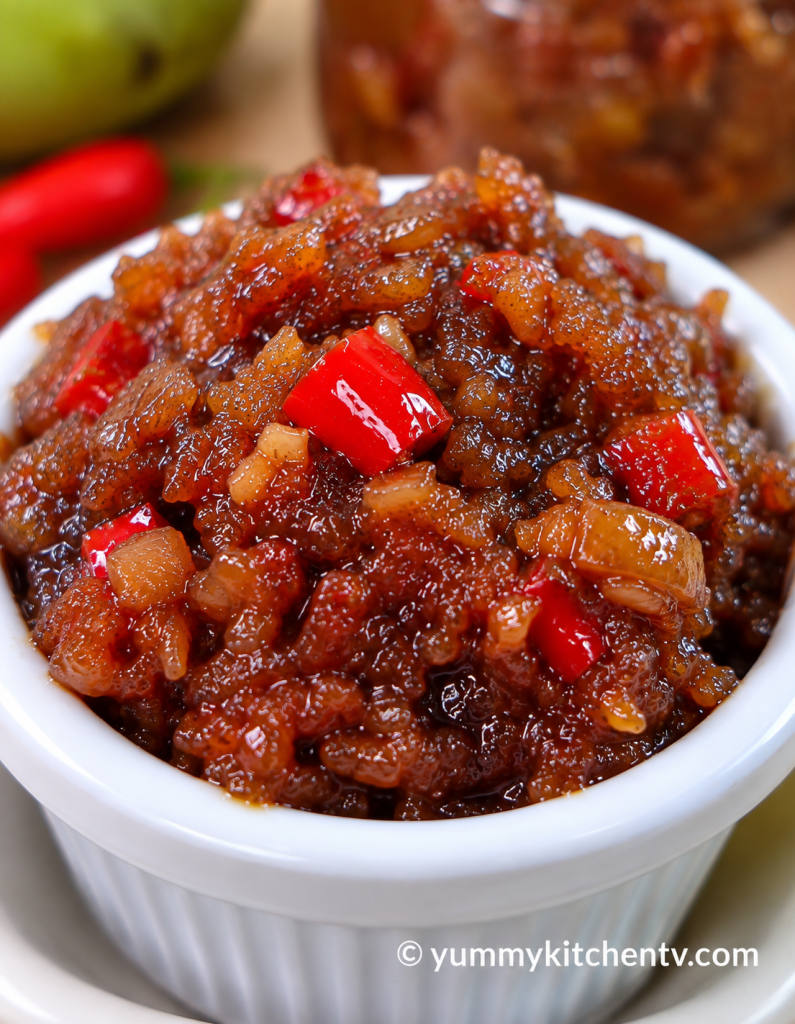
Ginisang Bagoong is a Filipino condiment made by sautéing shrimp paste, commonly called bagoong alamang, with aromatics and seasonings. Unlike plain fermented shrimp paste, the sautéed version develops additional layers of flavor from garlic, onion, tomatoes, sugar, vinegar, and fat.
The result can be sweet, salty, savory, tangy, and spicy depending on how it is prepared. Filipino households have different ways of making it, with some versions sweeter, some more savory, and others packed with chilies.
This recipe uses pork fat to create a rich base and brown sugar for sweetness. The tomatoes add freshness and acidity, while vinegar helps balance the richness. The finished condiment is especially delicious with unripe green mangoes.
Why You’ll Love This Recipe
This recipe is easy to make and uses ingredients that are commonly available in Filipino kitchens. Once the pork fat is rendered and the aromatics are sautéed, most of the work happens in one pan.
You can also adjust the flavor according to your preference. Add more brown sugar for a sweeter bagoong, more chili for extra heat, or adjust the vinegar for a sharper tang. If your shrimp paste is already very salty, rinsing it first helps make the final condiment more balanced.
The best part is how versatile it is. A spoonful can turn fresh green mango into an exciting snack, while a small serving alongside hot rice can make a simple meal much more satisfying.

Ingredients
- 2 cups shrimp paste (bagoong alamang)
- 1 cup pork fat
- 1 medium onion, chopped
- 4 cloves garlic, minced
- 2 tomatoes, minced
- 1/2 tablespoon ground black pepper
- 1 tablespoon vinegar
- 1 cup brown sugar, or more to taste
- 1 chili, chopped, optional
- 1/2 cup water
How to Make Ginisang Bagoong
1. Prepare the Shrimp Paste
Place the shrimp paste in a strainer and rinse it carefully with water to remove some of the excess salt. Drain thoroughly and set aside.
The amount of rinsing depends on how salty your bagoong is. You do not need to remove all of its natural saltiness because bagoong should still taste savory. The goal is simply to make the flavor easier to balance after cooking.
2. Render the Pork Fat
Place a large pan over low to medium heat. Add the pork fat and 1/2 cup water. Cover the pan and let the pork fat braise for about 5 minutes.
Reduce the heat to low and continue cooking for about 10 minutes, or until the fat becomes browned and most of the water has evaporated. Be careful when removing the lid because hot rendered fat can splatter.
The rendered pork fat becomes the flavorful cooking oil for the aromatics and shrimp paste. If your pork fat releases a lot of oil, you can leave enough in the pan to sauté the remaining ingredients and reserve the excess for another use.
3. Sauté the Aromatics
Push the cooked pork fat to one side of the pan, leaving space in the center. Add the chopped onion and minced garlic to the rendered fat. Sauté until fragrant and softened.
Add the minced tomatoes and stir them together with the onion and garlic. Cover the pan and cook for about 3 minutes. The tomatoes will soften and release their juices, creating a flavorful base for the bagoong.
4. Add the Shrimp Paste
Add the drained shrimp paste to the pan. Stir thoroughly so the bagoong combines evenly with the aromatics, tomatoes, and rendered pork fat.
Sprinkle in the ground black pepper. Be cautious about adding extra salt because shrimp paste can already contain a significant amount of salt. Taste later and adjust only if necessary.
5. Add Vinegar and Sugar
Pour in the vinegar and add the brown sugar. Stir everything well until the sugar begins dissolving into the mixture.
The brown sugar gives the bagoong its characteristic sweet-savory balance and helps create a richer color as it cooks. Vinegar adds acidity that cuts through the richness of the pork fat and sweetness of the sugar.
If you like spicy bagoong, add the chopped chili at this stage. You can use one chili for a gentle kick or add more according to your preferred level of heat.
6. Simmer Until Flavorful
Cover the pan and let the mixture simmer over low to medium heat for about 15 to 20 minutes. Stir occasionally to prevent the bottom from sticking or burning.
As the bagoong cooks, the flavors will blend and the sugar will caramelize. The mixture should become thicker, darker, and more aromatic. Taste it toward the end and adjust the sweetness, acidity, or seasoning according to your preference.
Once the desired consistency and flavor are reached, turn off the heat and let the bagoong cool slightly before transferring it to a clean container.
Tips for Better Ginisang Bagoong
Choose shrimp paste according to your preferred level of saltiness. Since brands and preparations can vary, tasting as you cook is important.
Do not rush the pork fat. Allowing it to render properly gives you flavorful oil for sautéing and helps develop the richness of the finished condiment.
Be careful when cooking with rendered pork fat. Hot oil can splatter, especially when moisture is present. Keep the heat controlled and step back slightly when removing the lid.
If your bagoong tastes too salty, adding more sugar and tomatoes can help balance the flavor, although the best approach is to rinse very salty shrimp paste before cooking.
For a sweeter version, gradually add more brown sugar rather than adding a large amount at once. For a tangier version, adjust the vinegar little by little.
If you want a smoother condiment, chop the tomatoes and aromatics very finely. If you prefer texture, leave the ingredients slightly chunky.
What to Serve with Ginisang Bagoong
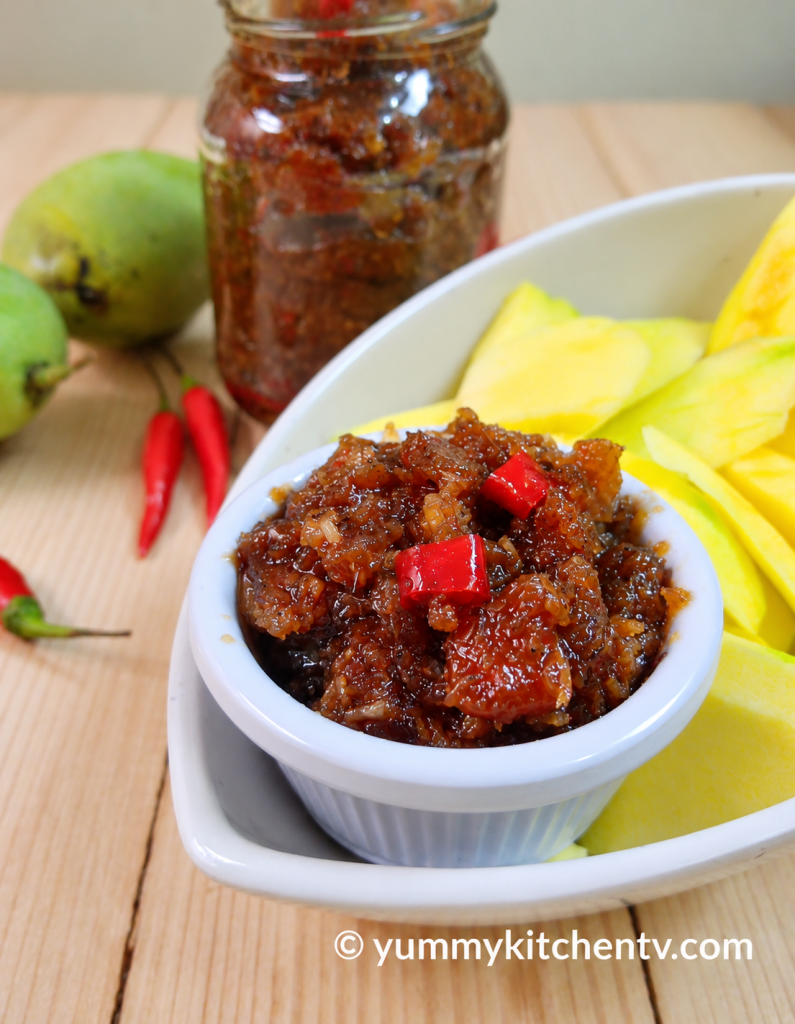
The most iconic pairing is green mango and bagoong. Slice firm, unripe mangoes into strips or wedges and serve them with a small bowl of sautéed shrimp paste for dipping. The crisp, sour fruit provides a refreshing contrast to the rich and savory condiment.
Ginisang Bagoong is also delicious with steamed white rice. A little spoonful can add plenty of flavor to an otherwise simple rice meal.
You can also serve it with Filipino dishes that benefit from a salty-sweet condiment. Keep the portion moderate because bagoong is naturally concentrated and flavorful.
Storage
Allow the cooked bagoong to cool before transferring it to a clean, airtight container. Refrigerate leftovers promptly and use a clean, dry spoon whenever serving.
Because this recipe contains shrimp paste and pork fat, proper refrigeration is important. Do not leave the finished condiment at room temperature for extended periods. Always check its appearance and smell before eating leftovers.
Conclusion
Ginisang Bagoong is one of those Filipino condiments that can instantly make a simple snack or meal more exciting. With shrimp paste, rendered pork fat, garlic, onion, tomatoes, vinegar, and brown sugar, this recipe creates a delicious balance of salty, sweet, savory, tangy and spicy flavors.
Serve it with crisp green mangoes for a classic Filipino snack, or enjoy it with steaming rice when you want something simple but flavorful. Once you learn how easy it is to make, you may find yourself preparing a batch whenever fresh mangoes are in season.
This homemade version is also easy to customize. Make it sweeter, tangier, or spicier according to your family’s taste. Whether served during a summer gathering, family meal, or an ordinary afternoon snack, Ginisang Bagoong brings a distinctly Filipino flavor to the family table beautifully.