Ginataang Tambakol Recipe – Filipino Tuna in Coconut Milk
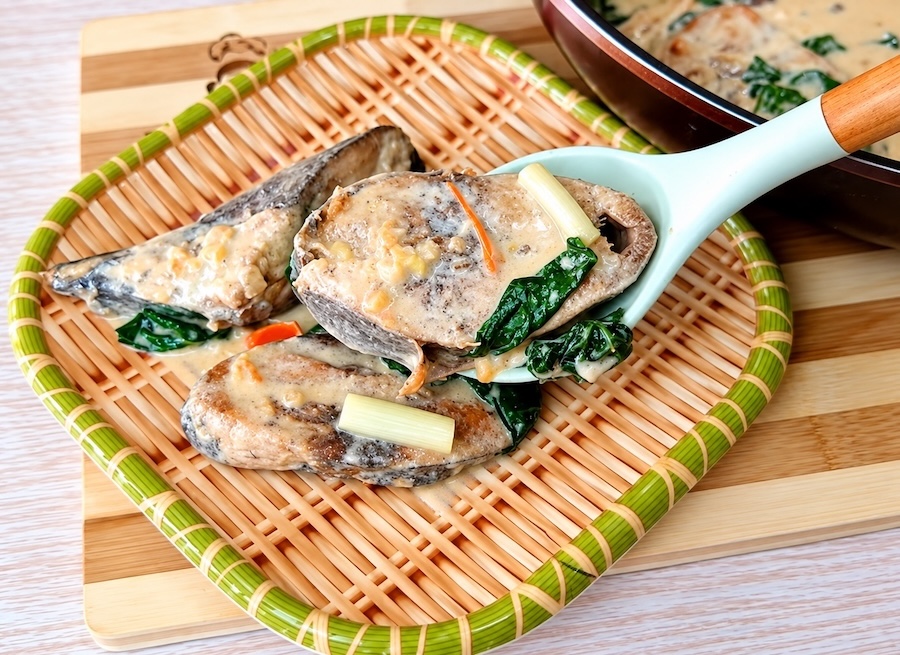
If you love creamy Filipino dishes with a little kick of spice, this Ginataang Tambakol recipe is perfect for lunch or dinner. Made with tender tambakol, coconut milk, ginger, garlic, onions, tomatoes, and green chilies, this dish brings simple ingredients together in a rich, savory sauce.


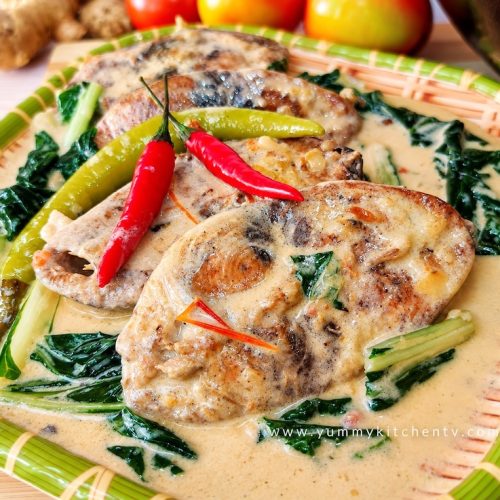
Ginataang Tambakol Recipe
Equipment
- Chopping board
- Kitchen knife
- Measuring cups and spoons
- Frying pan or wide skillet
- Spatula or cooking spoon
- Serving plate
Ingredients
- ½ kilo tambakol cleaned and sliced into serving pieces
- 2 cups coconut milk
- 1 bunch pechay or mustard leaves chopped
- 1 medium onion chopped
- 3 cloves garlic chopped
- 1 thumb-sized piece of ginger chopped
- 2 medium tomatoes diced
- 3 green chilies
- Salt to taste
- Ground black pepper to taste
- Fish sauce to taste
- Cooking oil for frying
Instructions
- Season the fish. Pat the tambakol dry and season with salt and ground black pepper. Let it rest for 15 minutes.
- Lightly fry the fish. Heat cooking oil in a pan over medium heat. Fry the tambakol until lightly golden and partially cooked. Remove and set aside.
- Sauté the aromatics. Using the same pan, sauté the garlic, onion, and ginger until fragrant. Add the tomatoes and cook for a few minutes, gently crushing them to release their juices.
- Add the coconut milk. Pour in the coconut milk and add the green chilies. Bring to a gentle boil, then lower the heat. Season with fish sauce and ground black pepper.
- Simmer the fish. Return the fried tambakol to the pan. Simmer gently for 5–7 minutes, or until the fish is fully cooked. Spoon the sauce over the fish occasionally and handle the pieces carefully.
- Add the leafy vegetables. Add the pechay or mustard leaves and cook for another 1–2 minutes, until slightly wilted. Taste and adjust the seasoning as needed.
- Serve. Transfer the Ginataang Tambakol to a serving dish and serve hot with steamed rice.
Notes
- Choose fresh tambakol: Fresh fish gives the dish a cleaner flavor and better texture.
- Do not overfry: Lightly fry the fish so it can finish cooking in the coconut milk without becoming dry.
- Use gentle heat: Simmer the coconut milk instead of boiling it vigorously to help prevent scorching.
- Adjust the spice: Keep the green chilies whole for milder heat, or slit them for a spicier sauce.
- Taste before adding salt: Fish sauce already provides saltiness, so season gradually.
- Substitute the greens: Pechay or mustard leaves both work well in this recipe.
- Check doneness: Cook the fish to an internal temperature of 145°F (63°C) at the thickest part.
- Storage: Refrigerate leftovers in an airtight container within two hours and consume within 3–4 days. Reheat gently until thoroughly hot.
- Serving suggestion: Pair with hot steamed rice to enjoy every bit of the creamy coconut sauce.
Nutrition
Also known as Filipino tuna in coconut milk, this comforting dish is easy to prepare at home. Lightly frying the fish before simmering helps the pieces hold their shape, while the coconut milk absorbs the flavors of the aromatics. Serve it with hot steamed rice for a satisfying homemade meal.

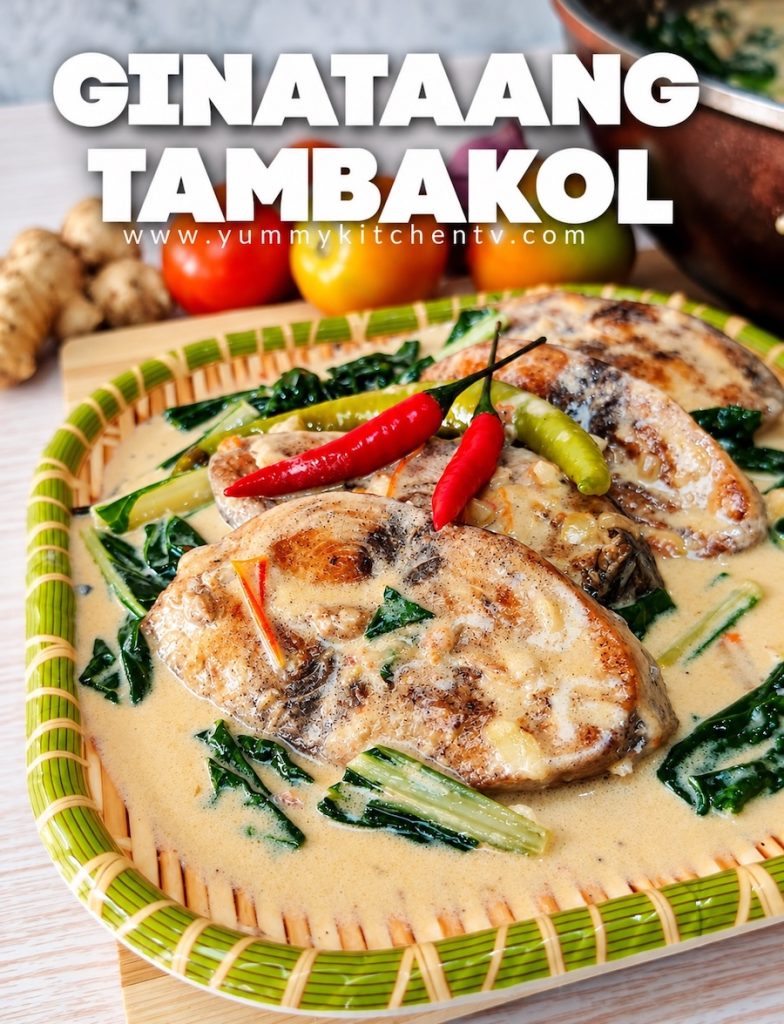
What Is Ginataang Tambakol?

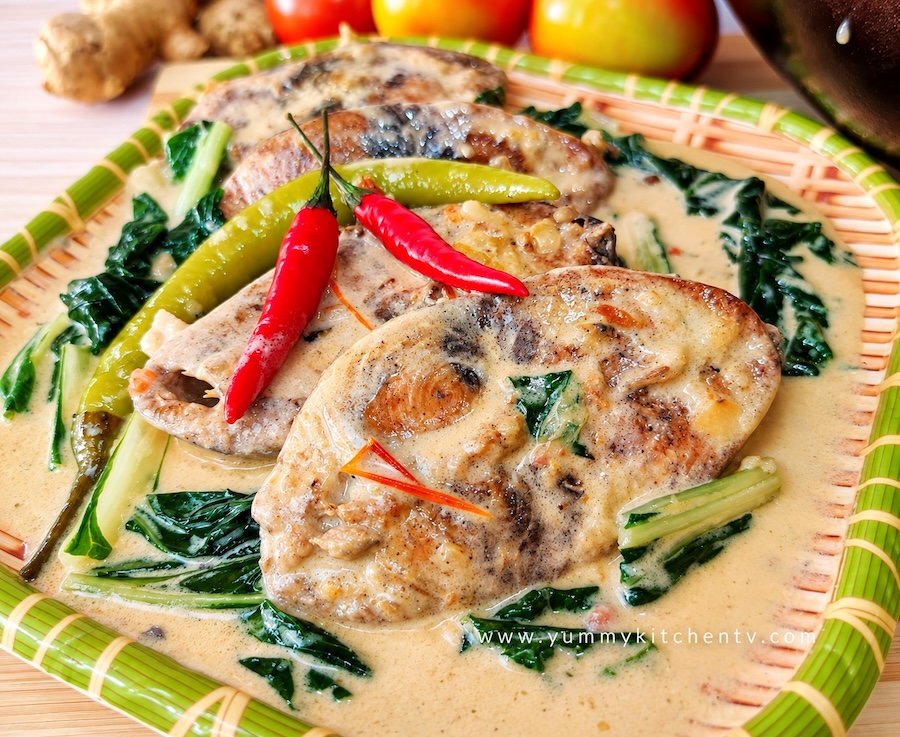
Ginataang Tambakol is a Filipino fish dish made by simmering tambakol in coconut milk with aromatics, seasonings, vegetables and chilies. The word ginataan comes from gata, the Filipino term for coconut milk. This cooking style is especially popular in Bicol, where coconut milk and chilies are frequently used together.
What is Tambakol?

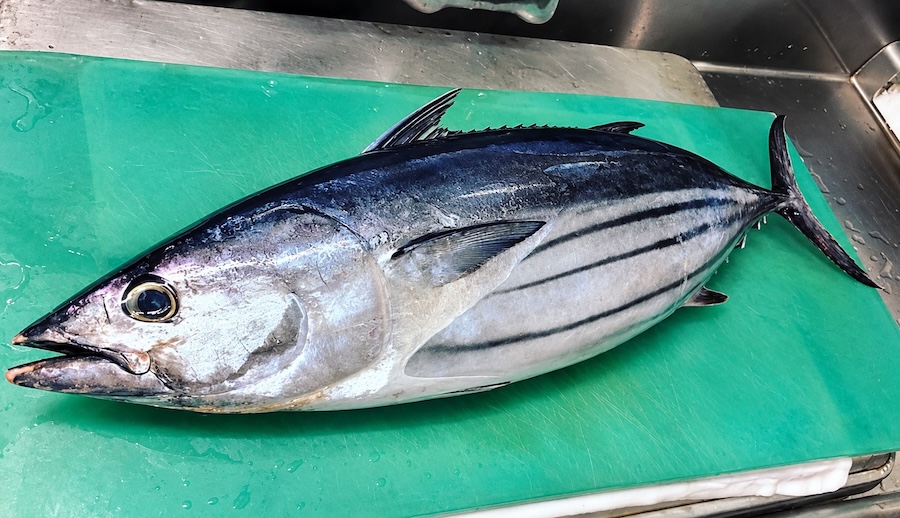
Tambakol is a saltwater fish commonly sold in Philippine markets. It has firm flesh and a rich flavor that works well in fried, grilled and stewed dishes. In this recipe, the fish is lightly fried first and then finished in a creamy coconut sauce. Garlic, onion, ginger, and tomatoes create a flavorful base, while green chilies add gentle heat.
The result is a delicious ginataang fish dish with tender fish and a creamy sauce that tastes wonderful with rice.
Why You’ll Love This Recipe
- Easy Filipino recipe: The ingredients are familiar and easy to find.
- Creamy and savory: Coconut milk creates a rich sauce infused with aromatics.
- Adjustable spice: Use fewer chilies for a mild flavor or add more for extra heat.
- Perfect with rice: The sauce tastes delicious spooned over steamed rice.
- Simple cooking method: Lightly frying the fish first helps it stay intact while simmering.

Ingredients
- ½ kilo tambakol, cleaned and sliced into serving pieces
- 2 cups coconut milk
- 1 bunch pechay or mustard leaves, chopped
- 1 medium onion, chopped
- 3 cloves garlic, chopped
- 1 thumb-sized piece of ginger, chopped
- 2 medium tomatoes, diced
- 3–4 green chilies, whole
- Salt and ground black pepper, to taste
- Fish sauce, to taste
- Cooking oil, for frying
Freshly extracted coconut milk gives excellent flavor, but unsweetened canned coconut milk is a convenient alternative. Choose fresh fish with firm flesh and a clean, mild smell.
How to Make Ginataang Tambakol
1. Season the Fish
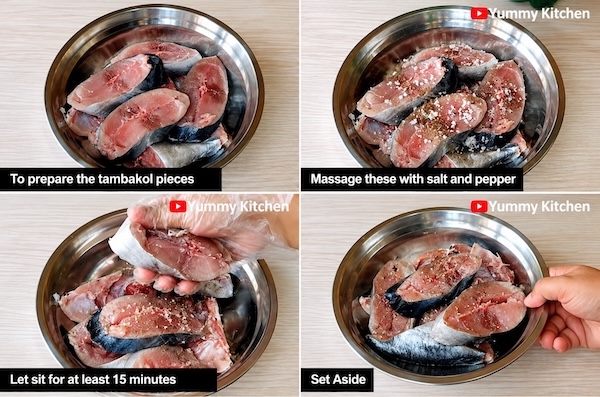
Clean the tambakol and cut it into serving-sized pieces. Pat the fish dry with paper towels, then season with salt and ground black pepper. Let it rest for about 15 minutes so the seasoning can flavor the flesh. Drying the fish also helps reduce oil splattering during frying.

2. Lightly Fry the Tambakol
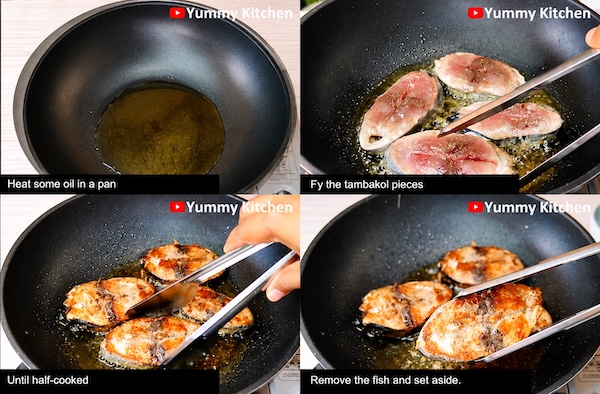
Heat cooking oil in a pan over medium heat. Carefully add the fish and fry until lightly golden and partially cooked. The fish does not need to be fully cooked yet because it will finish cooking in the coconut sauce.
Remove the fish and set it aside. If too much oil remains in the pan, carefully remove the excess, leaving enough to sauté the aromatics.

3. Sauté the Aromatics
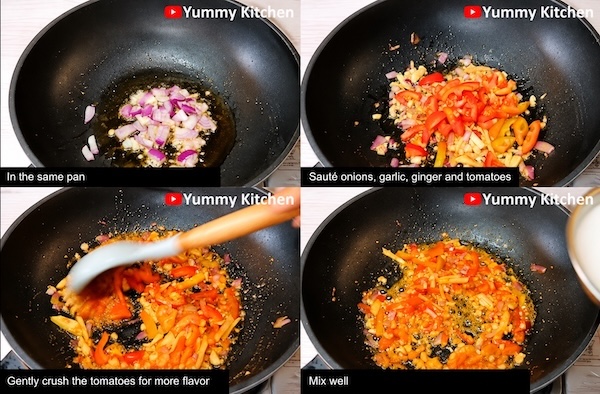
Using the same pan, sauté the garlic, onion, and ginger until fragrant. Add the diced tomatoes and cook for a few minutes, gently pressing them with a spatula to release their juices.
This mixture gives the Ginataang Tambakol its savory foundation. The garlic provides aroma, the onion adds sweetness, the ginger brings warmth, and the tomatoes balance the richness of the coconut milk. Stir occasionally and lower the heat if the garlic starts browning too quickly.

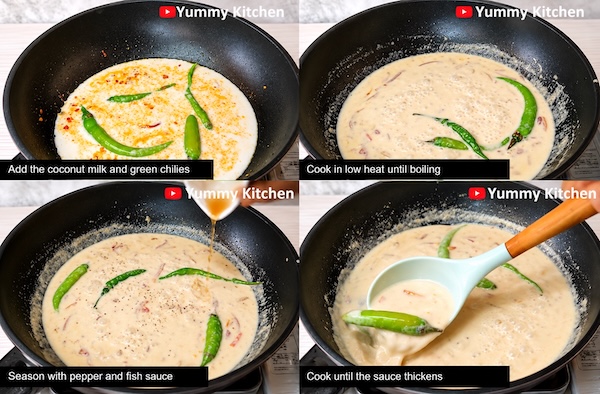
4. Add Coconut Milk and Chilies
Pour in the coconut milk and add the green chilies. Stir gently, bring the mixture to a gentle boil, then lower the heat to a simmer. Season with fish sauce and ground black pepper. Taste the sauce and adjust the seasoning as needed.
Let it simmer for several minutes so the flavors blend and the sauce begins to thicken. Avoid boiling the coconut milk vigorously for too long. Gentle heat helps the sauce cook evenly and reduces the chance of scorching the bottom of the pan.

5. Return the Fish to the Sauce
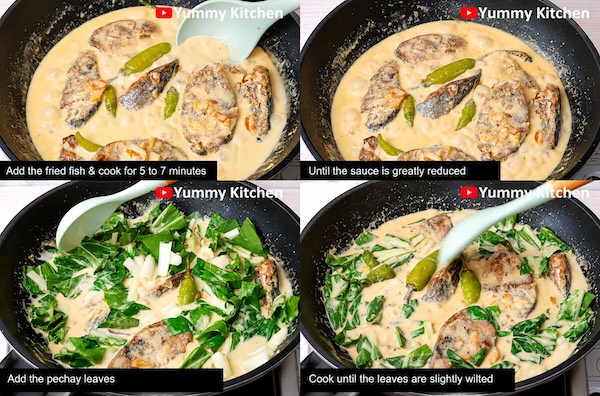
Carefully arrange the fried tambakol in the pan. Spoon some coconut sauce over the fish and simmer for about 5–7 minutes, depending on the thickness of the pieces. Turn the fish gently if needed, avoiding rough stirring that could break it apart.
If the sauce thickens too quickly before the fish is cooked, add a small splash of water or coconut milk. For food safety, cook the fish until its internal temperature reaches 145°F (63°C) at the thickest part.
6. Add the Leafy Vegetables
Add the chopped pechay or mustard leaves once the fish is cooked. Gently fold the leaves into the sauce or arrange them around the fish. Cook for another minute or two, just until the greens wilt.
Taste the sauce one last time and adjust the fish sauce, salt, or pepper if necessary. Turn off the heat when everything is cooked and the sauce reaches your preferred consistency.

7. Serve
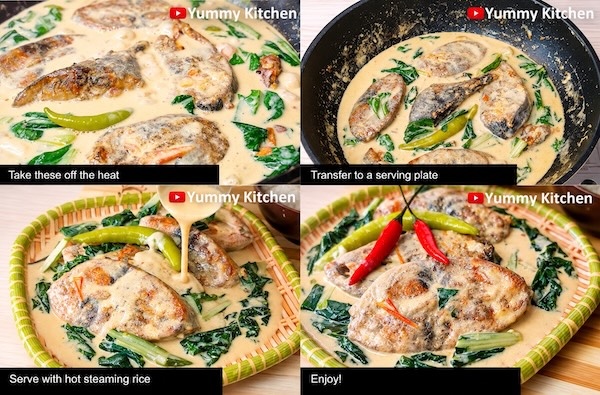
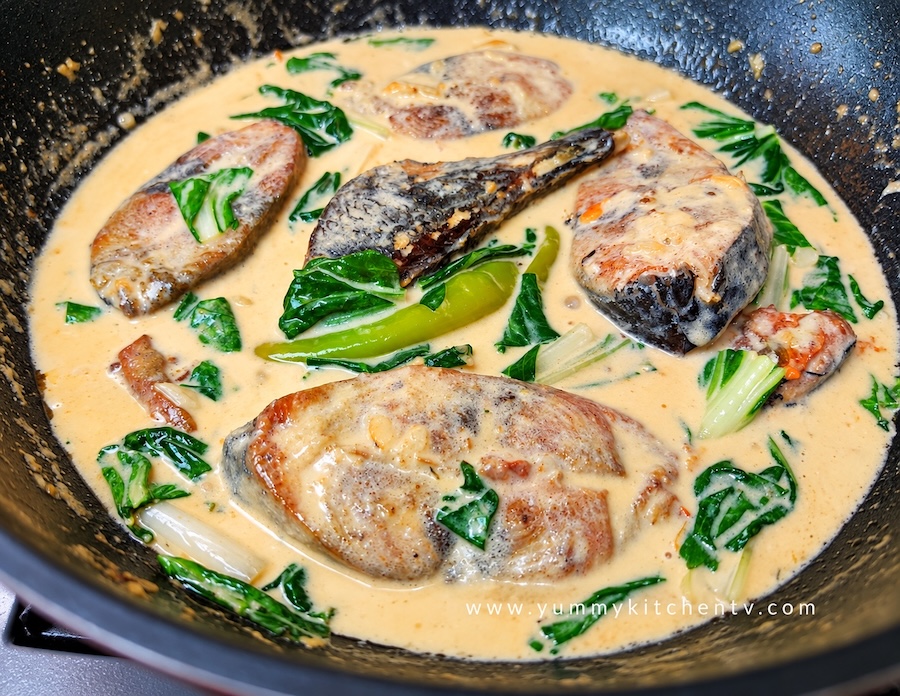
Transfer the Filipino tuna in coconut milk to a serving dish. Spoon the creamy sauce over the fish and arrange the greens around the pieces. Serve hot with steamed rice for a satisfying homemade meal.

Tips for the Best Ginataang Tambakol
Choose fresh fish. Fresh tambakol gives the dish a clean flavor and pleasant texture. Ask the fish vendor to clean and slice it if that makes preparation easier.
Do not overfry. The fish only needs to be lightly browned before simmering. Overcooking it at this stage can make it dry.
Use gentle heat. Once the coconut milk is added, maintain a gentle simmer. Stir the sauce occasionally and handle the fish carefully.
Adjust the chilies. Keep them whole for milder heat. Slit them or add chopped red chili if you prefer a spicier ginataang fish dish.
Taste before adding salt. Fish sauce already adds saltiness, so season gradually and adjust only after tasting.
Keep the sauce balanced. Tomatoes add brightness, while coconut milk brings richness. If the sauce becomes too thick, loosen it with a little water or coconut milk.

Ginataang Tambakol Through Photos


Variations
You can adjust this recipe to suit your taste without changing its basic method.
- With mustard leaves: Use mustard greens instead of pechay for a stronger, slightly peppery flavor.
- Extra spicy: Add sliced red chilies or increase the green chilies.
- Creamier sauce: Replace a small portion of coconut milk with coconut cream, watching the pan as it thickens.
- Other fish: If tambakol is unavailable, use another firm-fleshed fish suitable for simmering. Cooking time will depend on the thickness of the pieces.
Keep the fish as the main ingredient so its flavor remains clear against the coconut milk and aromatics.
How to Store Leftovers
Allow leftovers to cool slightly and transfer them to a clean, airtight container. Refrigerate within two hours of cooking and eat within three to four days.
Reheat gently in a pan over low heat until thoroughly hot. Add a splash of water if the sauce has thickened in the refrigerator, and handle the fish carefully to keep it from breaking.
You may freeze leftovers in a freezer-safe container, although the coconut sauce’s texture can change after thawing. For best quality, use within two to three months and thaw in the refrigerator before reheating. Reheat only the portion you plan to serve.
Frequently Asked Questions
Can I use canned coconut milk?
Yes. Unsweetened canned coconut milk works well in this Ginataang Tambakol recipe. Stir or shake it before measuring.
Can I skip frying the fish?
Yes, but the fish may be more delicate and could break apart easily. If you cook it directly in the sauce, keep the heat low and avoid unnecessary stirring.
What fish can replace tambakol?
Use another firm-fleshed fish suitable for simmering, such as tuna steaks or another locally available firm fish. Adjust the cooking time based on thickness.
How do I prevent coconut milk from scorching?
Simmer over low heat and stir occasionally, especially as the sauce thickens. Add a little liquid if it reduces too quickly.
Is this dish very spicy?
The heat depends on the chilies. Use fewer whole chilies for a milder dish, or slit them and add more for extra spice.
Conclusion
This Ginataang Tambakol recipe is an easy way to enjoy the comforting flavors of Filipino home cooking. Tender tuna, creamy coconut milk, fragrant ginger and garlic, tomatoes, chilies, and leafy greens come together in a savory sauce that pairs beautifully with steamed rice.
Lightly fry the fish, simmer it gently in the coconut mixture, and add the greens at the end. With simple ingredients and an easy method, this Filipino tuna in coconut milk is a satisfying dish to share with family. Once you try it, this creamy and savory ginataang fish may become one of your favorite ways to enjoy tambakol!
Paano Magluto ng Ginataang Tambakol
MGA SANGKAP:
- ½ kilo tambakol (hiniwa sa serving pieces)
- 2 tasa ng gata
- 1 bugkos ng pechay o mustasa (hiniwa)
- 1 sibuyas (hiniwa)
- 3 butil ng bawang (hiniwa)
- 1 thumb-sized luya (hiniwa)
- 2 kamatis (hiniwa ng cubes)
- 3 – 4 siling pansigang (buo)
- asin at paminta
- patis
- mantika (pangprito)
PAANO LUTUIN:
- Lagyan ng asin at paminta ang isda at hayaan ito ng 15 minuto.
- Magpainit ng mantika at iprito ang mga tambakol (half-cooked lamang). Alisin ang mga ito sa kawali at isantabi.
- Sa parehas na kawali, igisa ang sibuyas, bawang, luya at kamatis. Medyo durugin ang kamatis.
- Ilagay ang gata at siling pansigang at pakuluin. Budburan ng paminta at lasahan ng patis. Hayaan itong maluto hanggang lumapot ang sabaw.
- Ilagay ang mga pritong isda at lutuin ng 5 – 7 minuto hanggang kumonti ang sabaw.
- Ilagay ang mga pechay at lutuin hanggang lumambot.
- Ilipat ang ginataang tambakol sa serving plate at samahan ng mainit na kanin. Enjoy!
GinataangTambakol #FilipinoFood #CoconutMilkRecipe #TunaDish #FilipinoCooking #DeliciousMeals
References
Here is some other GinataangTambakol recipes
- GinataangTambakol recipe from busogsarap.com
- Authentic Filipino Ginataang Tambakol from https://panlasangpinoy.com/