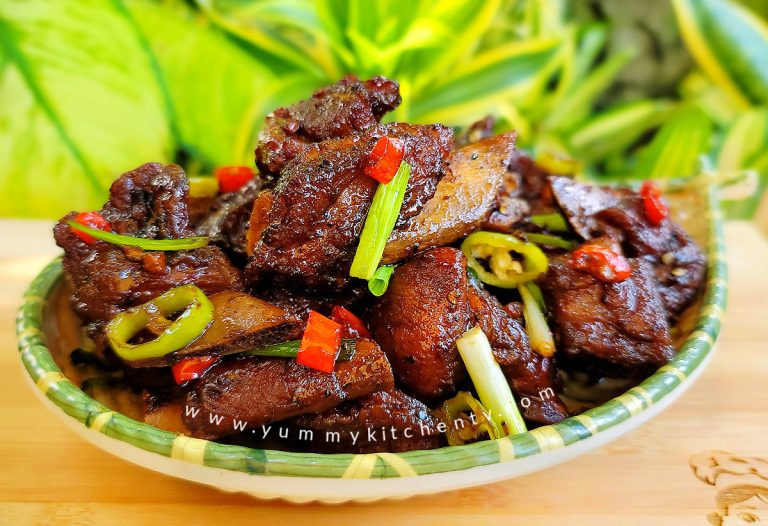
Pork Humba Recipe: Easy Filipino Braised Pork Belly with Pineapple Juice
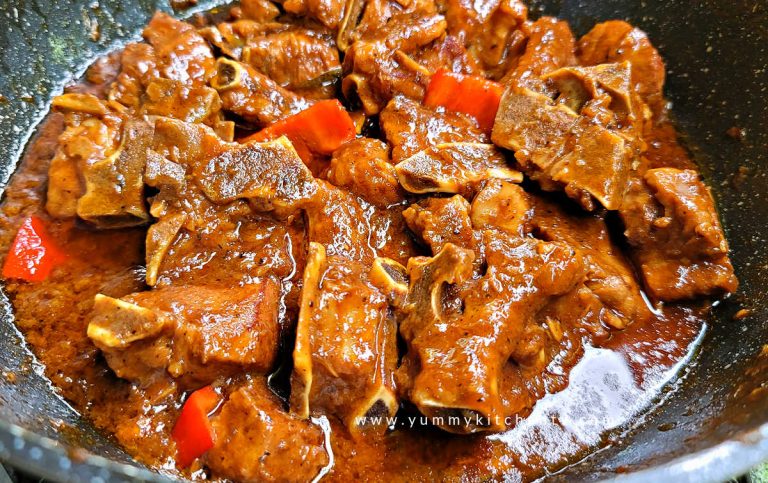
If you are looking for a Filipino pork dish that is rich, savory, slightly sour, and pleasantly sweet, this Pork Humba Recipe deserves a place on your family table. This classic Visayan dish features tender pork belly slowly braised in a flavorful sauce made with soy sauce, vinegar, pineapple juice, brown sugar, garlic, onion, and spices.


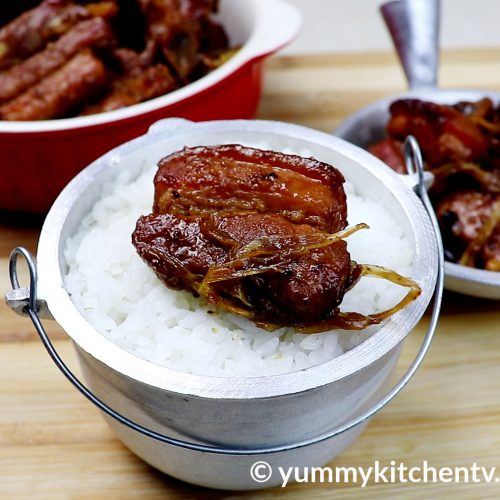
Pork Humba Recipe: Easy Filipino Braised Pork Belly with Pineapple Juice
Equipment
- Large mixing bowl
- Large frying pan or deep skillet
- Wooden spoon or spatula
- Tongs
- Measuring cups and spoons
- Slotted spoon
Ingredients
- 1 kilo pork belly cut into cubes
- 1/4 cup vinegar
- 1/4 cup soy sauce
- 3/4 cup pineapple juice
- 1 medium onion chopped
- 5 cloves garlic minced
- 2 tablespoons brown sugar
- 2 pieces star anise optional
- 1/4 cup banana blossoms
- 1/4 cup salted black beans rinsed
- 1 teaspoon whole peppercorns
- 2 bay leaves
- 2 –3 cups water as needed
- Oil if needed for sautéing
Instructions
- Place the pork belly in a bowl. Add vinegar, soy sauce, and pineapple juice. Mix well and marinate for at least 1 hour.
- Drain the pork and reserve the marinade.
- Heat a wide pan and brown the pork belly until lightly golden and some of its fat has rendered. Remove the pork and leave the rendered fat in the pan.
- Sauté the chopped onion until softened. Add the minced garlic and cook until fragrant.
- Return the pork to the pan. Add star anise, bay leaves, peppercorns, brown sugar, and the reserved marinade.
- Pour in 2–3 cups of water, depending on the amount of sauce desired. Bring to a gentle boil.
- Cover and simmer over low heat for about 1 hour, or until the pork is tender.
- Add the rinsed salted black beans and banana blossoms. Stir gently.
- Cover and simmer for another 5 minutes.
- Taste the sauce and adjust the seasoning if needed. Simmer uncovered for a few minutes if you prefer a thicker sauce.
- Serve hot with steamed white rice.
Notes
- Brown the pork first to develop deeper flavor and render some of the natural fat.
- Be careful when frying the pork because the rendered fat may splatter.
- Sauté the onion before the garlic so the garlic does not burn.
- Rinse the salted black beans thoroughly before adding them to control the saltiness.
- Do not marinate the pork for more than 8 hours because the vinegar and pineapple juice can affect the meat’s texture.
- Cook the Humba low and slow for tender, succulent pork.
- Brown sugar gives the sauce a richer caramel flavor than white sugar.
- Star anise is optional but adds a warm, fragrant aroma.
- Pork legs can be substituted for pork belly, but they require significantly longer cooking.
- Chicken can also be used as an alternative protein.
- Always taste the sauce before serving and adjust the sweetness, saltiness, or acidity to your preference.
- Pork Humba is best served with plenty of steamed rice to soak up the rich sauce.
Nutrition
What makes Pork Humba special is the combination of flavors. It has the salty and tangy character you might recognize from adobo, but the brown sugar and pineapple juice give it a distinctly sweeter and fruitier taste. Add salted black beans and banana blossoms, and you get a hearty dish with layers of flavor and texture.
The pork is first browned to bring out its natural richness, then simmered gently until the meat becomes tender and succulent. The result is a glossy, flavorful sauce that begs to be spooned over a hot plate of steamed rice.
What Is Pork Humba?

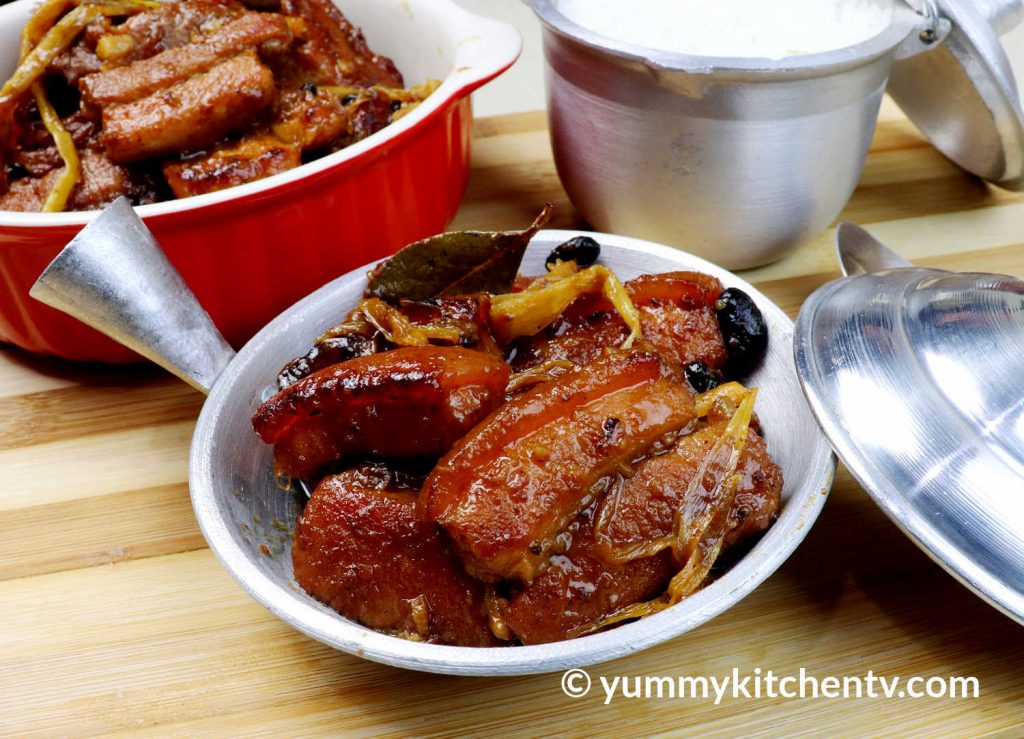
Pork Humba, also called homba, is a traditional Filipino braised pork dish associated with the Visayas. It is commonly prepared with pork belly, although pork legs and even chicken can be used. The meat is slowly cooked with soy sauce, vinegar, sugar, garlic, bay leaves, and peppercorns.
Many versions include salted black beans, known as tausi, and banana blossoms. These ingredients give Humba its signature savory depth and make it different from a basic pork adobo.
Humba is sometimes compared with Chinese red-braised pork because of its sweet, dark, braised character. However, Filipino Humba has developed its own identity, particularly through the use of vinegar, pineapple juice, black beans, and banana blossoms.
Why You’ll Love This Recipe
This Filipino Pork Humba is a wonderful recipe when you want something comforting and filling. The ingredients are easy to find, the preparation is straightforward, and most of the cooking time is hands-off.
Browning the pork before braising adds another layer of flavor. As the meat slowly cooks, the fat renders and the connective tissues soften, leaving you with tender pieces that practically melt in your mouth.
The sauce is another reason this dish is so irresistible. Pineapple juice adds fruity sweetness, brown sugar provides a deep caramel note, vinegar brings brightness, and soy sauce supplies savory saltiness. The black beans add an earthy flavor that balances everything beautifully.

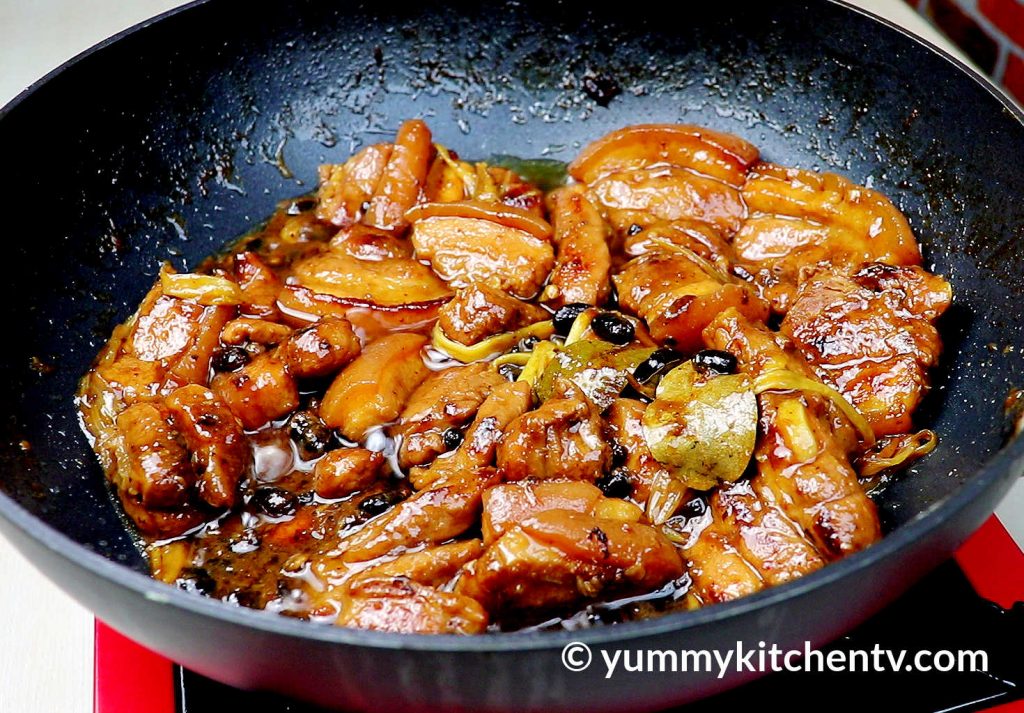
Ingredients
For this easy Pork Humba Recipe, you will need:
- 1 kilo pork belly, cut into serving-size cubes
- 1/4 cup vinegar
- 1/4 cup soy sauce
- 3/4 cup pineapple juice
- 1 medium onion, chopped
- 5 cloves garlic, minced
- 2 tablespoons brown sugar
- 2 pieces star anise, optional
- 1/4 cup banana blossoms
- 1/4 cup salted black beans, rinsed
- 1 teaspoon whole peppercorns
- 2 bay leaves
- 2 to 3 cups water, or as needed
- Oil, if needed for sautéing
Step-by-Step Method
1. Marinate the pork.
Place the pork belly in a large bowl. Add the vinegar, soy sauce, and pineapple juice. Mix well so every piece is coated. Cover and marinate for at least 1 hour. You can prepare this step ahead, but avoid marinating the pork for longer than 8 hours because the acidity can affect the texture.
2. Reserve the marinade.
After marinating, remove the pork and drain it well. Keep the marinade because it will become part of the braising sauce. Do not discard this flavorful liquid.
3. Brown the pork.
Heat a wide pan over medium-high heat. Add the pork belly and sear until the pieces become lightly browned and some of their natural fat has rendered.
Be careful during this step because hot pork fat can splatter. A splatter guard is helpful. You can also reduce the heat and partially cover the pan if necessary.
Once browned, remove the pork and leave the rendered fat in the pan. If there is not enough fat, add a small amount of cooking oil.
4. Sauté the aromatics.
Using the same pan, sauté the chopped onion until softened. Add the minced garlic afterward and cook briefly until fragrant. Cooking the onion before the garlic helps prevent the garlic from burning.
5. Build the sauce.
Return the browned pork to the pan. Add the star anise, bay leaves, whole peppercorns, brown sugar, and reserved marinade. Pour in 2 to 3 cups of water, depending on how much sauce you prefer.
Stir everything together and bring the mixture to a gentle boil.
6. Simmer until tender.
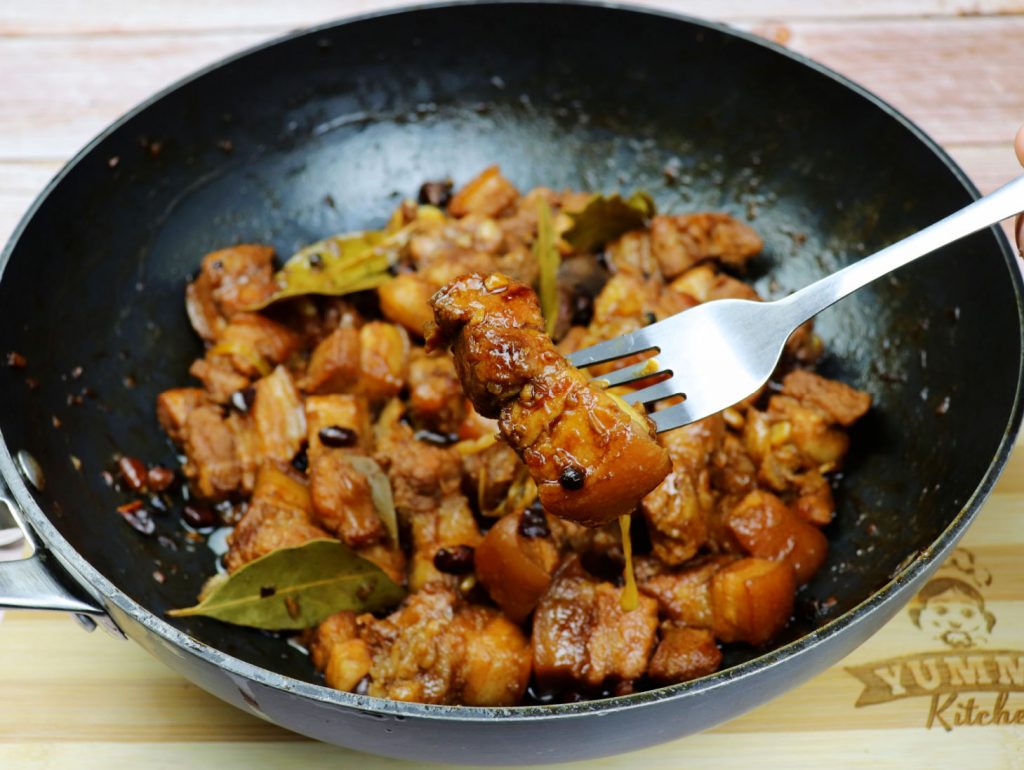
Lower the heat, cover the pan, and simmer for about 1 hour, or until the pork is tender. Check the meat with a fork. It should be soft and easy to pierce.
Slow cooking is important because it allows the flavors to develop while giving the connective tissues in the pork time to soften.
7. Add the black beans and banana blossoms.
Once the pork is tender, add the rinsed salted black beans and banana blossoms. Stir gently to combine. Cover and simmer for another 5 minutes over low heat.
Rinsing the black beans is important because they can be quite salty. This simple step allows you to control the seasoning of the finished dish.
8. Adjust and serve.
Taste the sauce before serving. Add a little water if it has become too thick, or continue simmering uncovered if you want a richer, thicker sauce. Remove the bay leaves and star anise if desired.
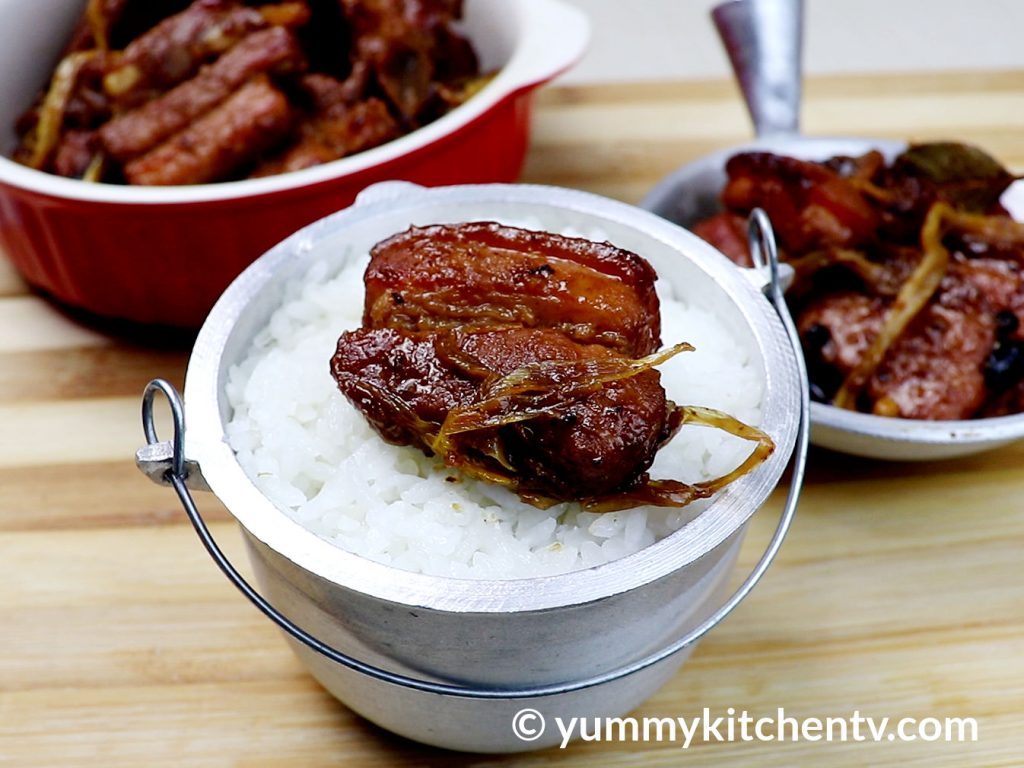
Serve the Pork Humba hot with plenty of steamed white rice.
Tips and Variations
The most important tip for delicious Humba is to cook the pork low and slow. Gentle simmering creates tender meat and flavorful sauce.
Do not skip browning the pork. Searing creates a caramelized surface that adds depth to the finished dish. It also renders some of the pork fat, which can be used to sauté the aromatics.
Pineapple juice contributes fruity sweetness and complements the brown sugar beautifully. If you prefer a less sweet Humba, reduce the sugar slightly.
Brown sugar is preferable to white sugar when making this dish because its molasses flavor works especially well with the rich pork and savory sauce.
Always rinse salted black beans before adding them. Taste the sauce near the end of cooking before adding any extra salt or soy sauce.
Star anise is optional, but even a small amount gives the sauce a warm, aromatic quality. If you are not a fan, simply leave it out.
Pork legs can be used instead of pork belly. Because pork legs contain more connective tissue, they require a much longer cooking time. Chicken can also be used if you prefer a lighter alternative.
If you like a thicker sauce, simmer the Humba uncovered during the final minutes of cooking. Keep stirring occasionally so the sauce does not stick or burn.

Storage and Reheating
Allow leftover Pork Humba to cool before transferring it to an airtight container. Refrigerate and consume within three to four days.
Humba often tastes even better the next day because the pork has more time to absorb the flavorful sauce. When reheating, place the desired portion in a saucepan and warm it gently over low heat.
If the sauce has thickened too much in the refrigerator, add a small splash of water and stir gently while reheating. Avoid boiling aggressively because this can cause the pork to break apart.
You can also freeze the cooked Humba in a freezer-safe container for longer storage. Thaw it in the refrigerator before reheating.
Serving Suggestions
The best partner for Pork Humba is steamed white rice. Spoon the rich sauce over the rice and enjoy it with tender pork, black beans, and banana blossoms in every bite.
Humba is also an excellent dish for family gatherings because it can be prepared ahead and reheated before serving. The flavors become even more developed after resting.

Conclusion
This Pork Humba Recipe brings together everything you want in a comforting Filipino dish: tender pork belly, a rich soy-based sauce, sweet brown sugar, tangy vinegar, fruity pineapple juice, and aromatic spices. The addition of salted black beans and banana blossoms gives it even more traditional character.
Brown the pork first, simmer it gently, and allow the sauce to reduce until everything becomes rich and flavorful.