Cassava Suman Recipe (Soft & Chewy Filipino Suman Kamoteng Kahoy)
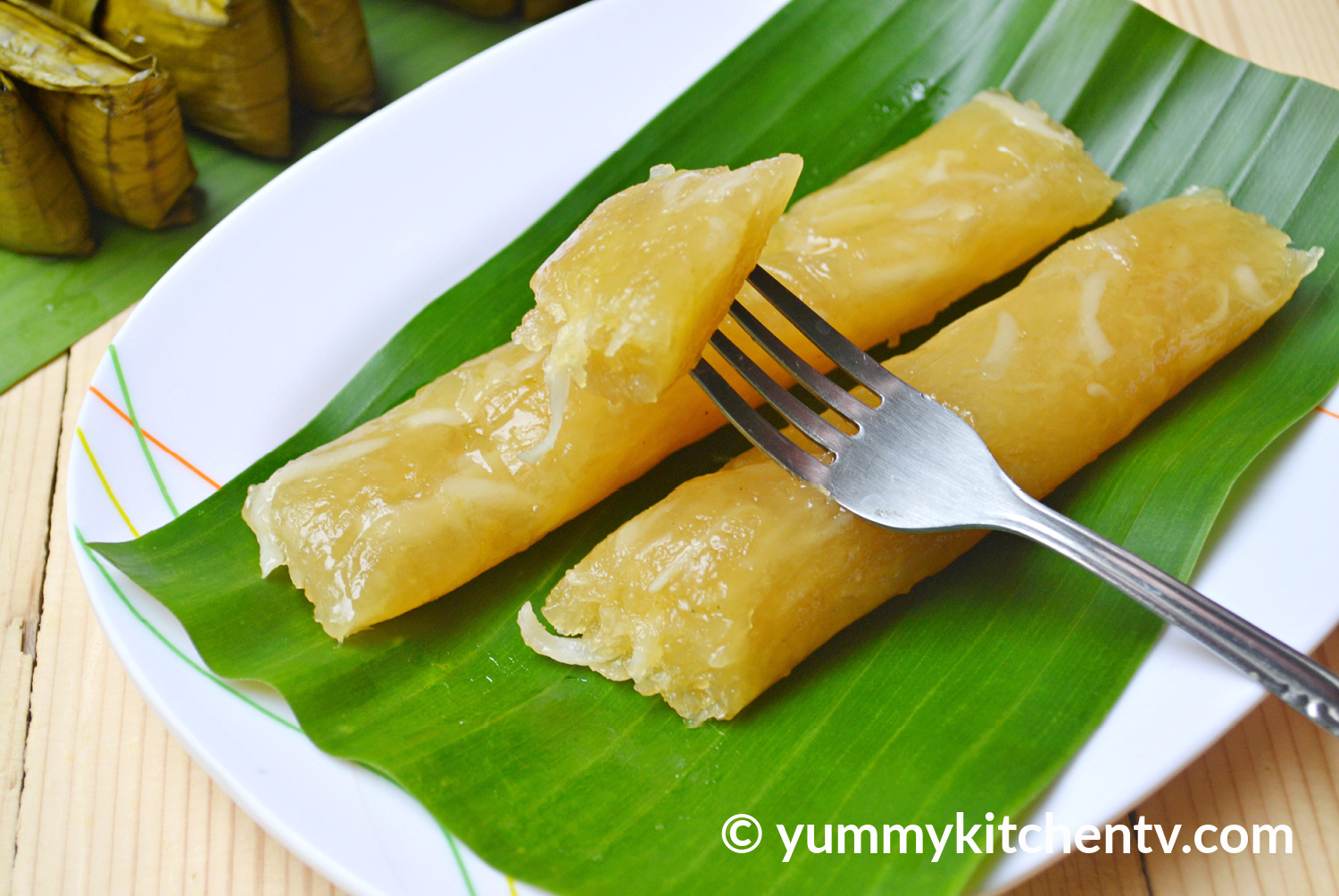
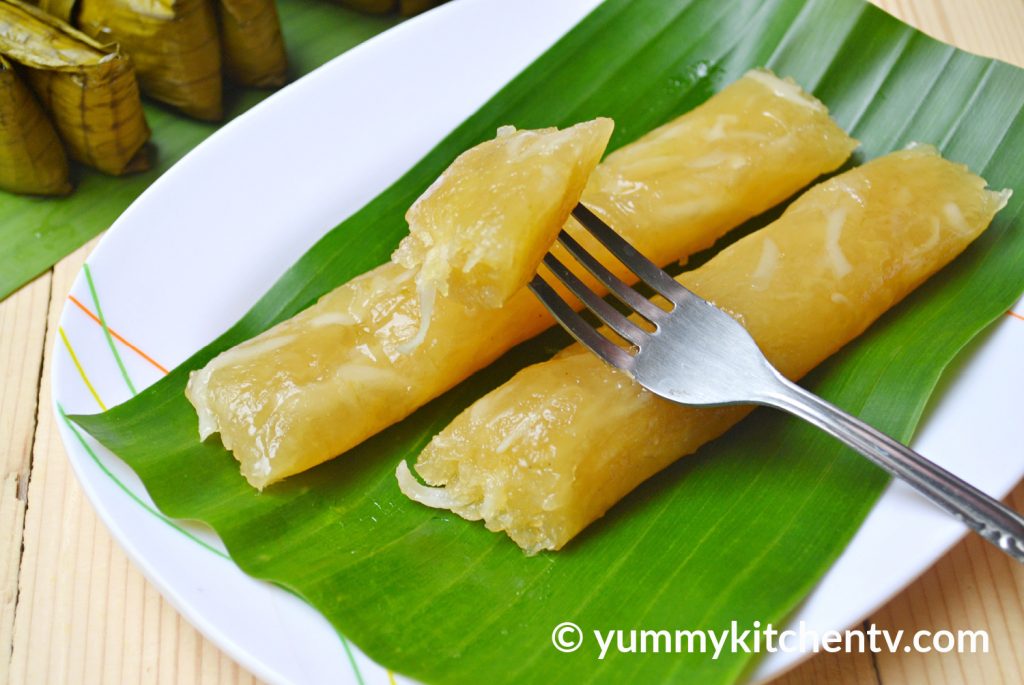
Cassava Suman is one of the most loved traditional Filipino snacks enjoyed across the Philippines. Made with grated cassava, brown sugar, young coconut, and butter, this delicious kakanin is wrapped in banana leaves and steamed until perfectly soft and chewy. Also known as sumang kamoteng kahoy or sumang balinghoy, this native delicacy is commonly eaten as merienda, dessert, or even breakfast paired with coffee or hot chocolate.
Simple yet satisfying, cassava suman has been part of many Filipino households for generations. You can usually find it sold in local markets, small bakeries, roadside stalls, and neighborhood stores. Its rich aroma from the banana leaves and naturally sweet flavor make it one of the most comforting Filipino delicacies ever made.
For many Filipinos, eating cassava suman brings back memories of childhood, family gatherings, and simple life in the province. It is one of those traditional recipes that continue to stay popular because of its affordability, delicious taste, and easy preparation.


Cassava Suman
Equipment
- Mixing bowl
- Measuring Cups
- Cheesecloth or fine sieve
- Spoon or spatula
- Knife
- Kitchen scissors
- Steamer
- Kitchen twine (or strips of banana leaf)
- Tongs
Ingredients
- 2 cups grated cassava
- 1 cup brown sugar
- 1 cup grated young coconut
- ¼ cup melted butter or margarine or coconut milk
- Banana leaves for wrapping
- Kitchen twine or strips of banana leaves for tying
Instructions
- Squeeze the grated cassava using a cheesecloth or fine sieve to remove excess liquid.
- In a large mixing bowl, combine the grated cassava, brown sugar, grated young coconut, and melted butter. Mix well until evenly combined.
- Pass the banana leaves over low heat or an open flame for a few seconds to soften them. Cut into uniform pieces.
- Spoon a portion of the cassava mixture onto a banana leaf and shape it into a small log.
- Roll the banana leaf tightly around the mixture and fold the ends to seal.
- Tie two wrapped suman together using kitchen twine or strips of banana leaf.
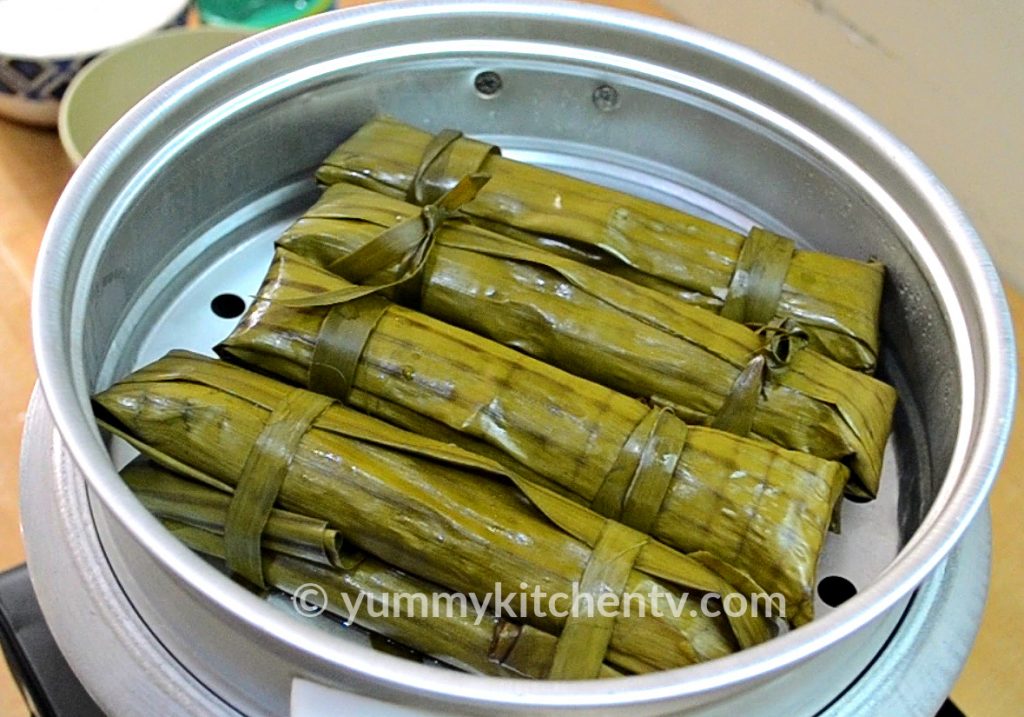
- Arrange the wrapped suman in a steamer over boiling water.
- Steam for 30 to 45 minutes, or until fully cooked.
- Let the cassava suman cool slightly before serving. Enjoy warm or at room temperature.
Notes
- Squeezing out excess moisture from the cassava helps achieve a firmer, chewier texture.
- Briefly heating the banana leaves makes them more flexible and less likely to tear while wrapping.
- You can substitute the butter with margarine or coconut milk for a richer coconut flavor.
- Steam only after the water has reached a rolling boil to ensure even cooking.
- Cassava suman pairs perfectly with hot coffee, hot chocolate (sikwate), salabat, or fresh coconut juice.
- Store leftovers in an airtight container in the refrigerator for up to 3 days. Reheat by steaming for a few minutes before serving.
Nutrition

Tips for Making the Best Cassava Suman
Use Fresh Cassava Whenever Possible
Fresh cassava provides the best flavor and texture. If you’re using frozen cassava, thaw it completely and squeeze out excess moisture before mixing.
Don’t Skip the Banana Leaves
Banana leaves are important because they add aroma and help maintain moisture while steaming. They also give cassava suman its authentic traditional appearance.
Adjust the Sweetness
Some people like their cassava suman sweeter than others. Feel free to adjust the amount of brown sugar according to your preference.
What Makes Cassava Suman Special?
There are many Filipino kakanin recipes, but cassava suman stands out because of its simplicity and comforting flavor.
Unlike heavily decorated desserts, cassava suman focuses on natural ingredients and traditional cooking methods. Despite using only a few ingredients, it delivers a delicious and satisfying result.
Its soft chewy texture, subtle coconut flavor, and sweet aroma make it a favorite among both children and adults.
Cassava suman is also very filling, making it a practical snack for busy days or afternoon merienda.
Best Pairings for Cassava Suman
Cassava suman tastes amazing on its own, but it becomes even more enjoyable when paired with your favorite drinks.
Here are some delicious pairings:
- Hot coffee
- Hot chocolate
- Salabat or ginger tea
- Fresh coconut juice
- Milk tea
Some people also enjoy cassava suman with extra grated coconut, sugar, or latik syrup on top.
A Traditional Filipino Merienda
In the Philippines, merienda is more than just a snack—it is part of Filipino culture. Families gather in the afternoon to enjoy simple homemade snacks while sharing stories and spending time together.
Traditional kakanin like cassava suman remain popular because they bring comfort and nostalgia. Even today, many Filipinos still prefer native delicacies over commercial snacks because of their homemade taste and cultural value.
Cassava suman is often served during fiestas, family gatherings, holidays, and even simple afternoon breaks.
Cassava in Filipino Cooking
Cassava has long been an important ingredient in Filipino cuisine. Since it grows easily in tropical climates, many rural families plant cassava in their backyards or farms.
It became a practical source of food because it is affordable, filling, and versatile. Filipinos use cassava in many different dishes including:
- Cassava cake
- Pichi-pichi
- Fried cassava
- Boiled cassava
- Cassava chips
- Sweet cassava desserts
Among these recipes, cassava suman remains one of the simplest yet most beloved snacks.
Is Cassava Suman Healthy?
Cassava is naturally gluten-free and rich in carbohydrates, making it a good source of energy. Coconut also adds healthy fats and extra flavor.
Since cassava suman is steamed instead of fried, it can be a lighter alternative to oily snacks. However, like many desserts and kakanin, it is still best enjoyed in moderation because of its sugar content.
Homemade cassava suman is also free from preservatives, making it a better option compared to many processed snacks.

Great for Small Food Businesses
Because it is affordable and easy to make, cassava suman is also a great product for small businesses.
Many Filipinos sell homemade suman in markets, schools, offices, and online food shops. The ingredients are inexpensive, and the recipe can easily be prepared in large batches.
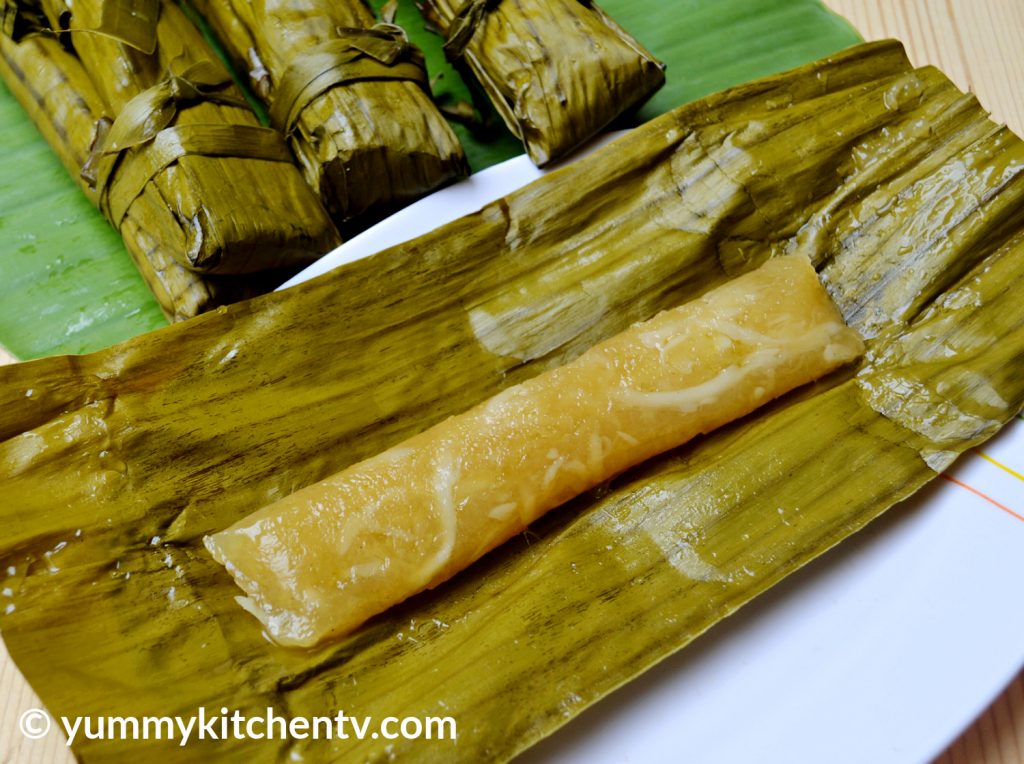
Its attractive banana leaf wrapping also gives it a traditional and authentic appeal that customers love.
With proper packaging, cassava suman can become a profitable homemade food business.

Why Filipino Delicacies Continue to Stay Popular
Despite the popularity of modern desserts and international snacks, traditional Filipino delicacies continue to have a special place in people’s hearts.
Recipes like cassava suman are deeply connected to Filipino culture and family traditions. They remind people of childhood memories, provincial life, and home-cooked meals prepared with love.
Many Filipinos still prefer native delicacies because they feel more comforting and familiar compared to commercial products.
Traditional food also helps preserve Filipino heritage and introduces younger generations to local cuisine.
Final Thoughts
If you are looking for a delicious and easy Filipino snack, this Cassava Suman recipe is definitely worth trying. Made with grated cassava, young coconut, brown sugar, and butter, this classic kakanin is soft, chewy, flavorful, and satisfying.
Whether served for merienda, breakfast, or dessert, cassava suman remains one of the most comforting Filipino delicacies you can make at home. Its simple ingredients, nostalgic flavor, and easy preparation make it a timeless favorite among Filipino families.