Easy Homemade Espasol Recipe (Soft, Chewy & Authentic Filipino Rice Cake)
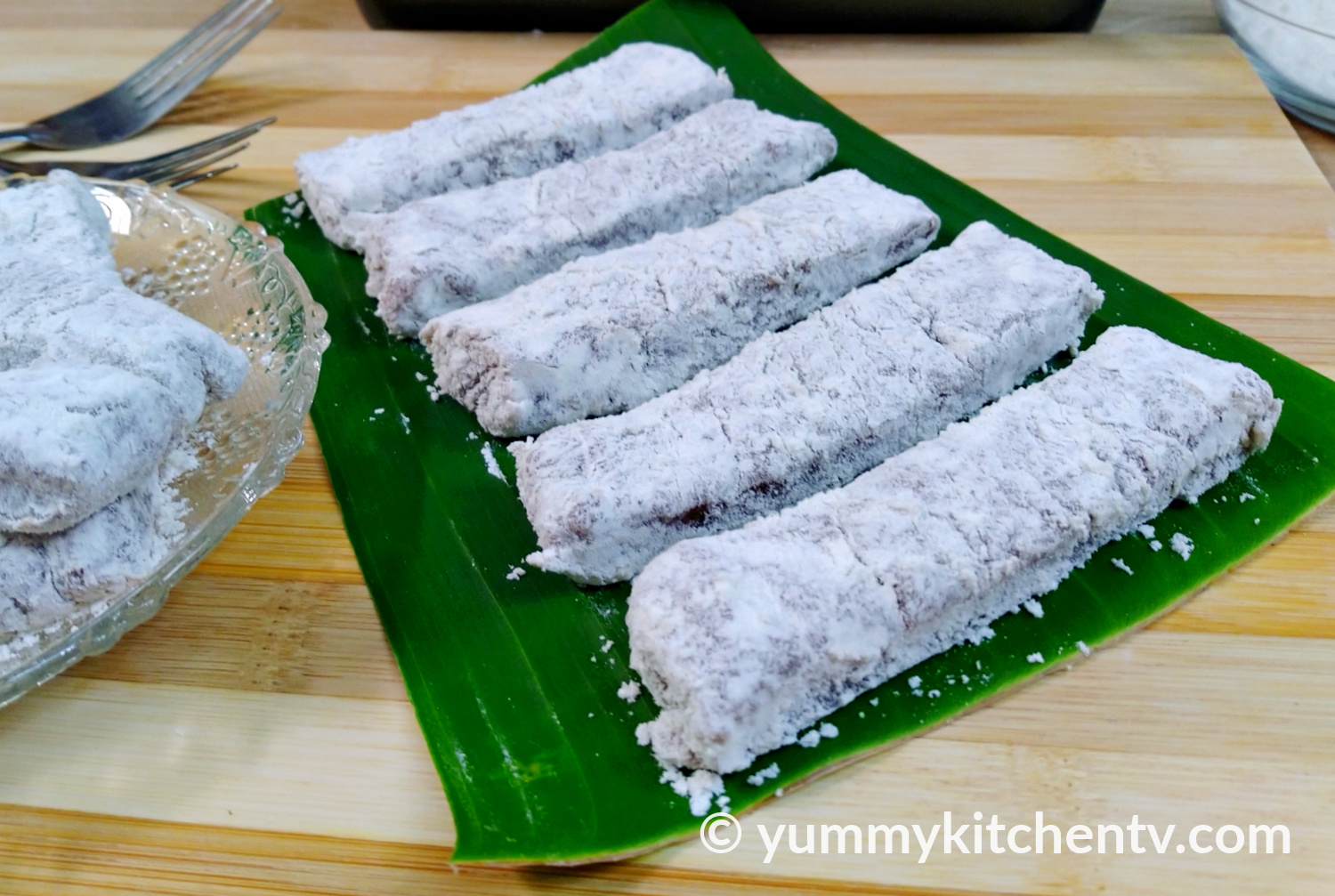
Espasol is a beloved Filipino rice cake made with glutinous rice flour, coconut milk, evaporated milk, brown sugar, vanilla extract, and a touch of salt. Known for its soft, chewy texture and delicate coating of toasted rice flour, this traditional delicacy is one of the most popular pasalubong treats from Laguna. While many people buy it during trips to the province, making homemade Espasol is actually much easier than you might think.
Growing up, I always looked forward to receiving pasalubong from relatives who traveled around the country. Among the boxes of sweets and delicacies they brought home, Espasol was always one of my favorites. There was something special about its soft texture, subtle sweetness, and toasted rice flavor that made it stand out from other kakanin.
I remember opening a paper package filled with pieces of Espasol dusted generously with toasted rice flour. The powder would lightly coat my fingers as I picked up a piece, and the first bite was always satisfying. It was chewy, creamy, and just sweet enough to make you reach for another piece.
For a long time, I thought Espasol was difficult to make at home. Since it was commonly sold in Laguna and specialty pasalubong stores, I assumed it required complicated techniques. To my surprise, the recipe is quite simple and uses only a handful of ingredients. Once you learn the process, you’ll be able to make fresh Espasol anytime you crave this classic Filipino treat.
Whether you’re introducing this delicacy to your family, preparing snacks for a gathering, or simply satisfying a craving for traditional Filipino kakanin, this recipe is sure to become one of your favorites.


Easy Homemade Espasol
Equipment
- Non-stick frying pan
- Saucepan
- Wooden spoon or Silicone Spatula
- Measuring Cups
- Measuring Spoons
- Tray or plate
- Knife or dough scraper
Ingredients
- 2 cups glutinous rice flour
- 1 cup coconut milk
- ¾ cup evaporated milk
- 1 cup brown sugar
- ½ teaspoon vanilla extract
- ¼ teaspoon salt
Instructions
Toast the Rice Flour
- Place the glutinous rice flour in a dry pan over low heat.
- Stir continuously until lightly toasted and aromatic.
- Reserve ½ cup of the toasted flour for coating later. Set the remaining toasted flour aside.
Prepare the Mixture
- In a saucepan, combine the coconut milk, evaporated milk, and brown sugar.
- Stir until the sugar has completely dissolved.
- Bring the mixture to a gentle boil over medium heat.
Add the Flavoring
- Stir in the vanilla extract and salt.
- Mix well until fully incorporated.
Cook the Espasol
- Gradually add the remaining toasted glutinous rice flour into the boiling mixture.
- Stir continuously to prevent lumps from forming.
- Continue cooking until the mixture becomes thick, smooth, and forms a soft dough.
Shape and Coat
- Dust a tray or flat surface with the reserved toasted rice flour.
- Transfer the cooked dough onto the tray.
- Flatten evenly using a spatula.
- Dust the top generously with more toasted flour.
- Allow to cool slightly before cutting into rectangular or cylindrical pieces.
- Coat each piece with more toasted flour before serving.
Notes
- Toast the glutinous rice flour over low heat while stirring continuously to prevent burning.
- Reserve enough toasted flour for coating, as it gives Espasol its signature powdery finish.
- Stir continuously after adding the flour to achieve a smooth, lump-free dough.
- If the mixture feels too sticky, dust with a little more toasted rice flour while shaping.
- Let the Espasol cool slightly before slicing for cleaner cuts.
- Store in an airtight container at room temperature for up to 2 days or refrigerate for up to 5 days. Bring to room temperature before serving for the best texture.
Nutrition
What is Espasol?

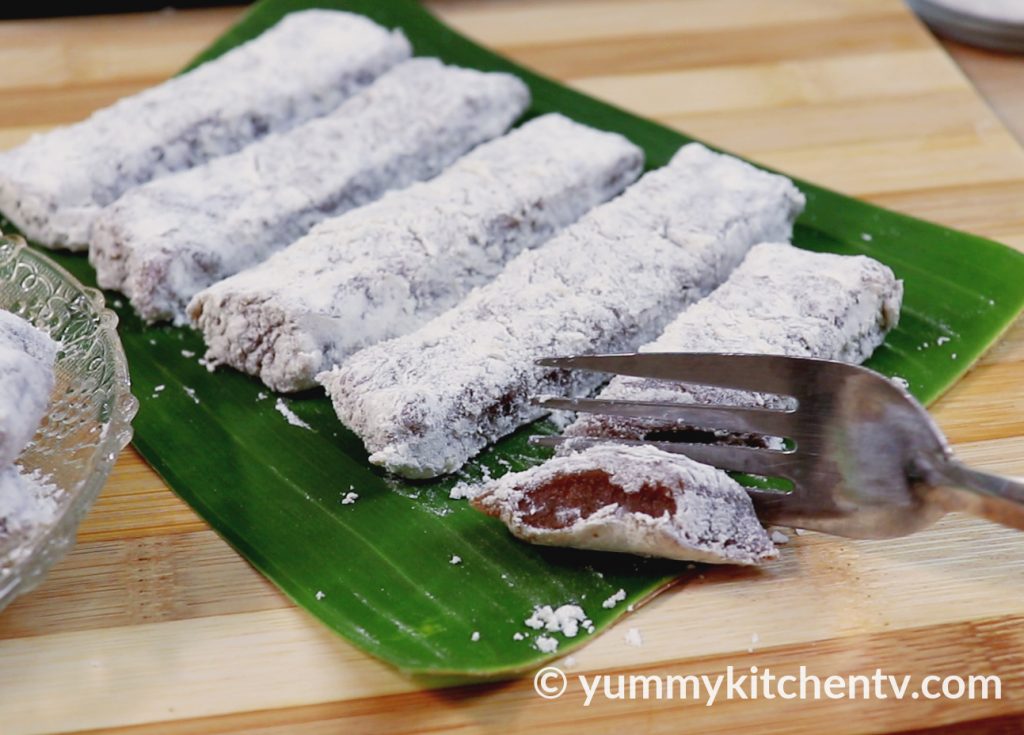
Espasol is a traditional Filipino rice cake that originated in the province of Laguna. It is made by cooking a mixture of glutinous rice flour, coconut milk, sugar, and milk until it forms a thick dough-like consistency. The mixture is then coated generously with toasted glutinous rice flour before being shaped and sliced into serving portions.
One of the defining characteristics of Espasol is its powdery coating. The toasted flour prevents the sticky rice cake from clinging to your hands while adding a pleasant nutty flavor that complements the sweet and creamy filling.
Espasol belongs to the family of Filipino kakanin, a category of rice-based delicacies enjoyed throughout the country. Like bibingka, sapin-sapin, kutsinta, and palitaw, Espasol showcases the Filipino love for rice-based desserts and snacks.
Today, it remains one of Laguna’s most iconic delicacies and is often purchased as pasalubong by tourists visiting the province.
Why You’ll Love This Recipe
There are many reasons why this Espasol recipe deserves a spot in your collection of favorite Filipino desserts.
First, it uses simple ingredients that are easy to find. Most of them may already be sitting in your pantry.
Second, the recipe is beginner-friendly. Even if you’ve never made Filipino rice cakes before, the process is straightforward and easy to follow.
Another reason to love this recipe is its unique texture. Espasol is wonderfully soft, chewy, and satisfying. The toasted flour coating adds another layer of flavor and texture that makes every bite enjoyable.
It’s also budget-friendly. You don’t need expensive ingredients or special equipment to make a batch.
Most importantly, it brings a taste of Filipino tradition into your home. Every bite offers a delicious reminder of local culture, family gatherings, and treasured childhood memories.

The History of Espasol
Like many Filipino delicacies, Espasol has a rich history rooted in local traditions.
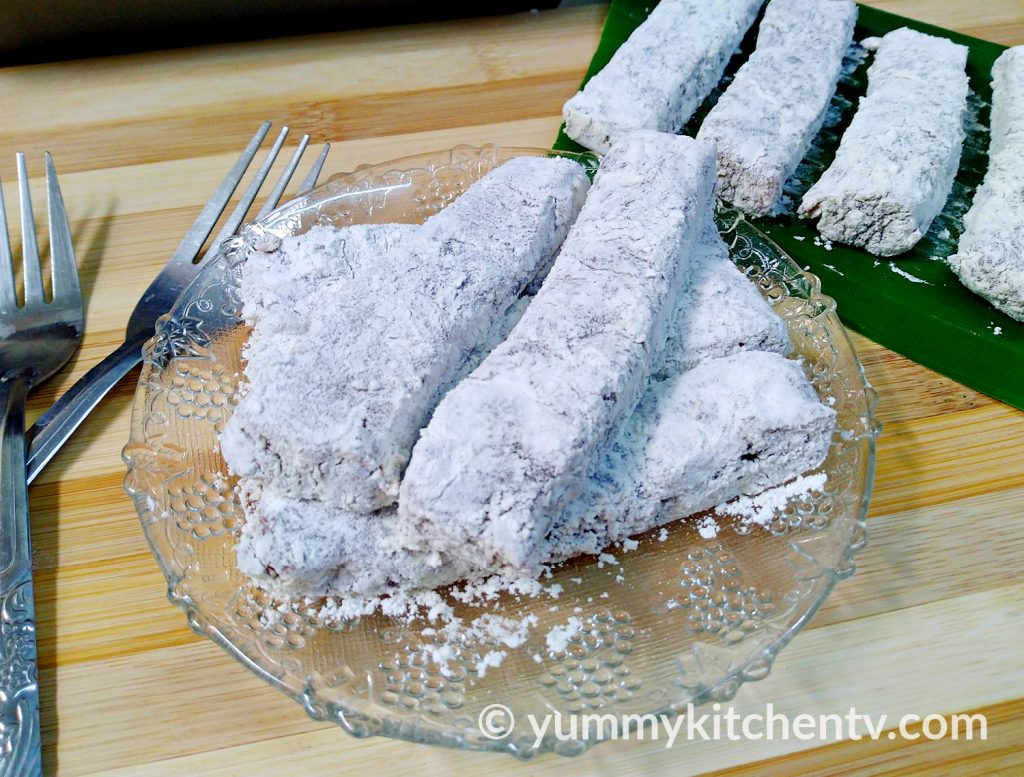
The dessert is most commonly associated with Laguna, particularly the towns known for producing traditional rice-based delicacies. Over the years, it became one of the province’s signature pasalubong products, attracting visitors who wanted to bring home a taste of Laguna.
The name “Espasol” is believed to have evolved from older local terms, though its exact origins remain a topic of discussion among food historians. What remains certain is that the delicacy has been enjoyed for generations.
Before modern packaging became available, Espasol was traditionally wrapped in paper and sold in local markets, bus terminals, and roadside stalls. It remains a familiar sight in many pasalubong centers today.
Despite the emergence of newer desserts and snacks, Espasol continues to hold a special place in Filipino cuisine because of its comforting flavor and nostalgic appeal.
Ingredients for Homemade Espasol
One of the best things about making homemade Espasol is that it requires only a few ingredients.
Ingredients
- 2 cups glutinous rice flour
- 1 cup coconut milk
- ¾ cup evaporated milk
- 1 cup brown sugar
- ½ teaspoon vanilla extract
- ¼ teaspoon salt
Each ingredient plays an important role in creating the perfect texture and flavor.
The glutinous rice flour gives Espasol its signature chewiness. Coconut milk provides richness and a subtle coconut flavor. Evaporated milk adds creaminess, while brown sugar contributes sweetness and a slight caramel note. Vanilla enhances the aroma, and salt balances all the flavors.
Together, these simple ingredients create a truly delicious Filipino delicacy.
How to Make Espasol
Making Espasol is easier than many people expect. The process mainly involves toasting the flour, preparing the milk mixture, and cooking everything together until it forms a thick dough.
Step 1: Toast the Glutinous Rice Flour
Place the glutinous rice flour in a dry pan over low heat.
Stir continuously to prevent burning. The flour should gradually turn light brown and develop a pleasant toasted aroma.
This step is important because the toasted flour contributes to both the flavor and appearance of the finished Espasol.
Once lightly browned, reserve ½ cup of the toasted flour for dusting later. Set aside the remaining toasted flour.
Step 2: Prepare the Liquid Mixture
In a pan, combine the coconut milk, evaporated milk, and brown sugar.
Stir until the sugar completely dissolves.
Bring the mixture to a gentle boil while stirring occasionally.
As the mixture heats, you’ll notice the aroma becoming richer and sweeter.
Step 3: Add Flavorings
Once the liquid mixture reaches a boil, add the vanilla extract and salt.
Stir well to ensure everything is evenly incorporated.
These simple additions may seem small, but they greatly enhance the overall flavor of the Espasol.
Step 4: Cook the Rice Flour Mixture
Gradually add the 1½ cups of toasted glutinous rice flour into the boiling mixture.
Stir continuously to prevent lumps from forming.
As the flour absorbs the liquid, the mixture will begin to thicken.
Continue stirring until a smooth and cohesive dough forms.
This stage requires a bit of patience, but the effort is well worth it.
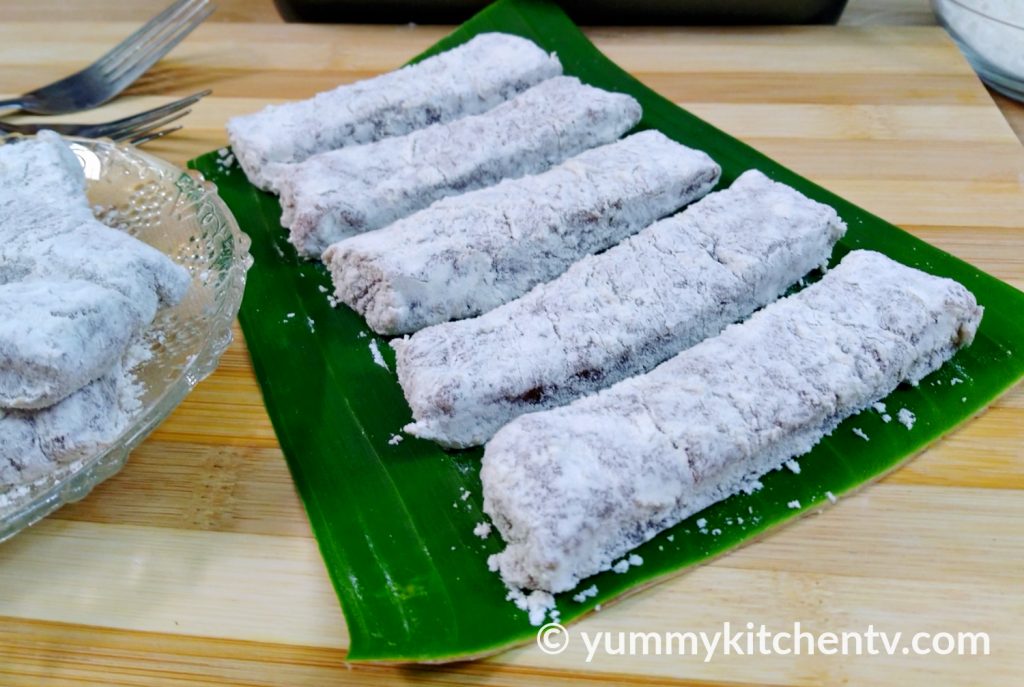
Step 5: Shape and Coat the Espasol
Prepare a tray by dusting it generously with the reserved toasted rice flour.
Transfer the cooked mixture onto the tray.
Using a spatula, flatten and spread the mixture evenly.
Dust more toasted flour over the top until the surface is well coated.
Allow it to cool slightly before cutting into your desired serving pieces.
Each piece should be lightly covered in toasted flour to prevent sticking.

Why Toasting the Flour Matters
One of the most important steps in making Espasol is properly toasting the glutinous rice flour.
Toasting enhances the flavor by bringing out nutty and slightly roasted notes that complement the sweetness of the rice cake.
It also helps create the signature powdery coating that Espasol is known for.
Without this step, the dessert would lack much of its traditional character and unique flavor profile.
Taking your time while toasting the flour can make a significant difference in the final result.
Tips for the Best Espasol
For consistently delicious results, keep these helpful tips in mind.
Use low heat when toasting the flour. High heat can cause uneven browning and may burn the flour quickly.
Stir constantly during toasting to achieve an even color and aroma.
When adding the flour to the liquid mixture, do so gradually to avoid lumps.
Continue stirring while cooking to maintain a smooth texture.
Dust generously with toasted flour to prevent sticking and achieve the traditional appearance.
Allow the Espasol to cool slightly before slicing for cleaner cuts.

Recipe Variations
While traditional Espasol is delicious on its own, there are several ways to customize it.
You can add finely chopped roasted peanuts for extra texture and flavor.
Some people enjoy mixing shredded coconut into the dough for a richer coconut taste.
For a more indulgent version, try adding chocolate chips or cocoa powder.
You can also experiment with flavored extracts such as pandan or ube to create unique variations.
These small adjustments can give a familiar recipe an exciting twist while still preserving its traditional charm.
How to Serve Espasol
Espasol is best enjoyed as a snack, dessert, or merienda.
Serve it alongside a hot cup of coffee, tea, or traditional Filipino hot chocolate.
It also pairs well with fresh fruits and other kakanin during family gatherings.
Because it is easy to portion and transport, Espasol is an excellent addition to potlucks, celebrations, and holiday dessert tables.
Whether enjoyed at home or shared with loved ones, it always delivers comfort and satisfaction.
Storage Tips
Store leftover Espasol in an airtight container at room temperature for up to two days.
For longer storage, keep it refrigerated for up to five days.
If refrigerated, allow the Espasol to sit at room temperature for a few minutes before serving to soften slightly.
Make sure the pieces remain coated with toasted flour to help prevent sticking during storage.
Final Thoughts
If you’re looking for a traditional Filipino delicacy that’s simple, affordable, and incredibly satisfying, this Homemade Espasol Recipe is the perfect choice.
Its soft and chewy texture, rich coconut flavor, and delicate coating of toasted rice flour make it a timeless favorite among Filipino dessert lovers. Best of all, you don’t need to travel all the way to Laguna to enjoy this iconic treat.
With just a few pantry ingredients and a little patience, you can recreate the authentic taste of Espasol right in your own kitchen. Whether you’re making it for merienda, family gatherings, special occasions, or simply to satisfy a craving, this classic Filipino rice cake is guaranteed to bring smiles to the table.
Once you’ve tried freshly made homemade Espasol, you’ll understand why it remains one of the most beloved pasalubong treats in the Philippines. Enjoy every soft, chewy, and delicious bite!