Kinamatisang Baboy (Filipino Pork Soup with Tomatoes)
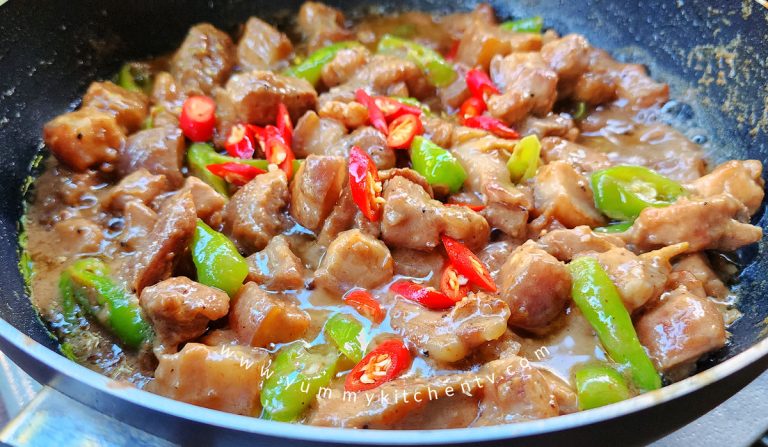
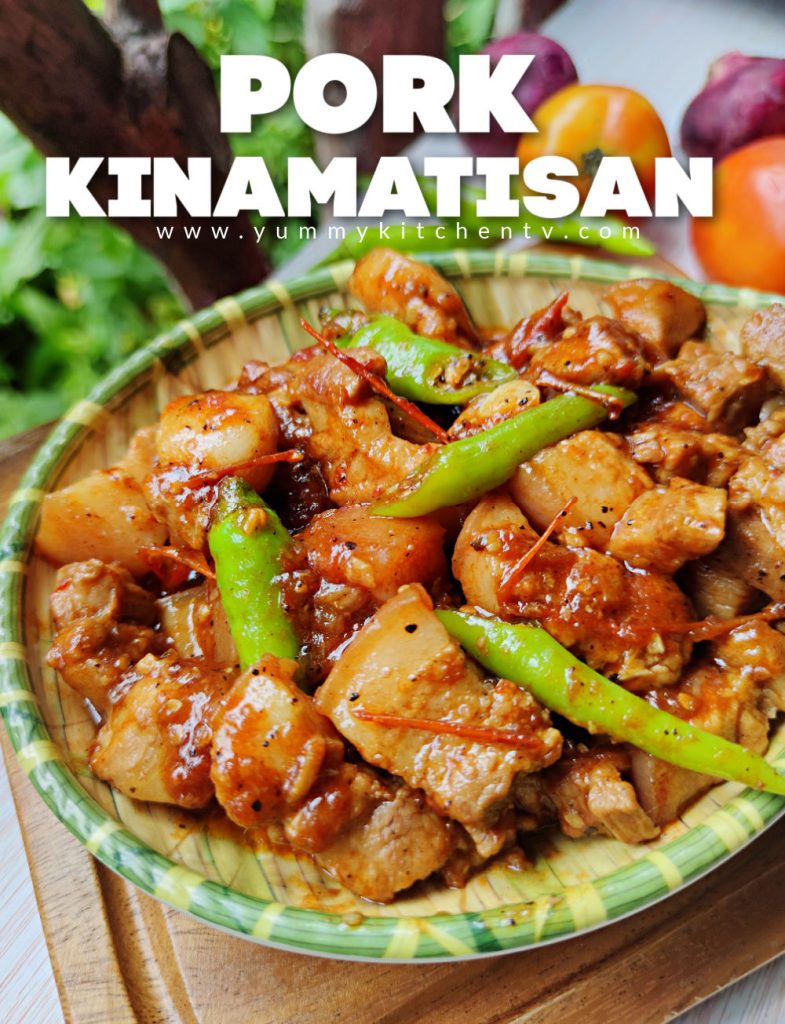
Kinamatisang Baboy or ‘ Pork Kinamatisan ‘ is a everyday Filipino pork soup made by cooking pork chops with lot of juicy tomato. along with other spices and green chillies. It’s a simplepork dish that transforms simple ingredients into a rich, tangy, and comforting stew. This humble yet deeply satisfying meal is perfect for everyday lunches, cozy dinners, and family gatherings. At its core, this dish celebrates two stars: tender pork and juicy tomatoes.
Whether you’re an experienced home cook or just learning Filipino cuisine, this recipe is easy to prepare, uses everyday ingredients, and delivers big flavor. In this complete guide, we’ll explain what Kinamatisan is, where it came from, how to make it from start to finish, variations you can try, and tips for serving and pairing it with other dishes.



Kinamatisang Baboy
Ingredients
- 3/4 kilo pork cut into serving pieces
- 1 large onion chopped
- 5 cloves of garlic minced
- 5 medium tomatoes diced
- 2 tablespoons soy sauce
- 2 tablespoons oyster sauce
- 1 to 2 cups water
- 2 to 3 pieces green chilies
- salt and pepper to taste
Instructions
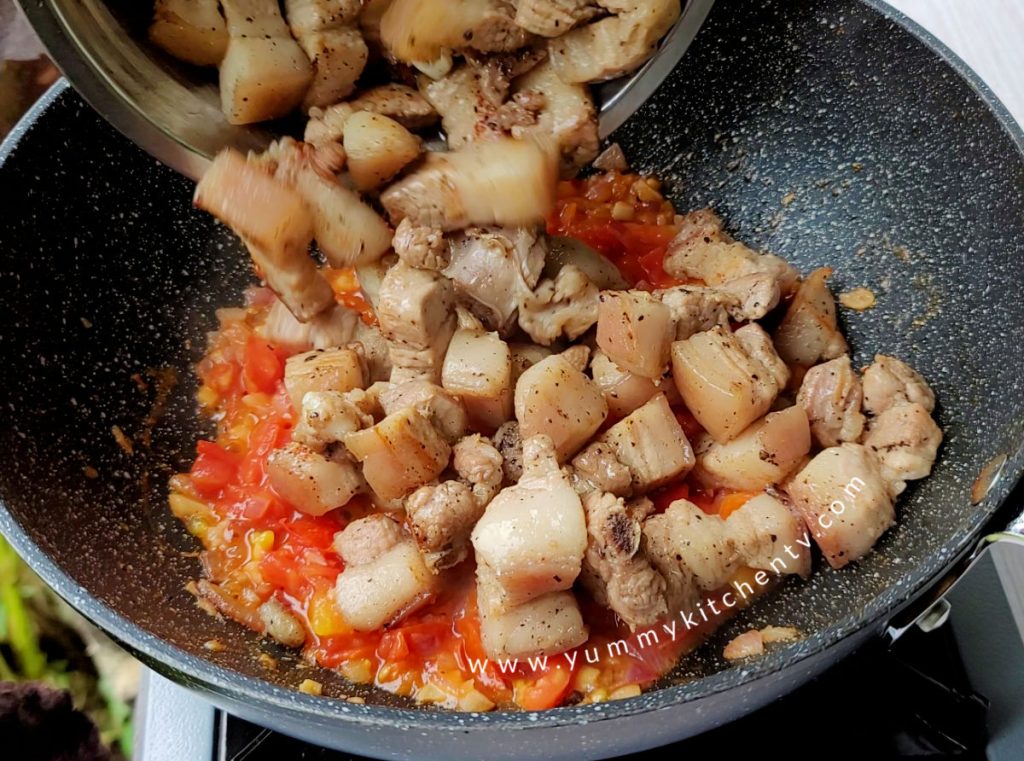
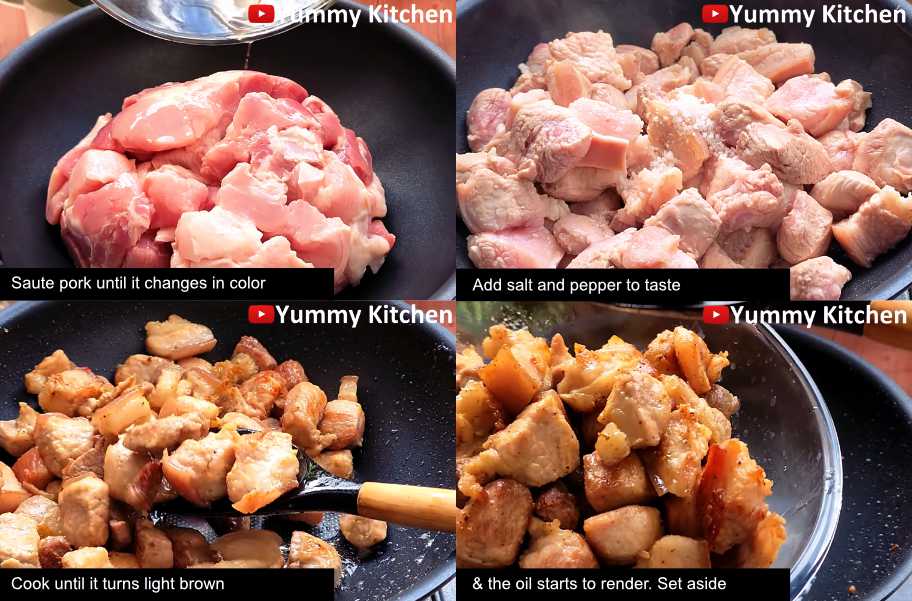
- Arrange the pork in a pan. Saute for a few minutes until it changes color. Season with salt and pepper. Continue sauteing until some oil has been rendered. Remove the pork from the pan. Set aside
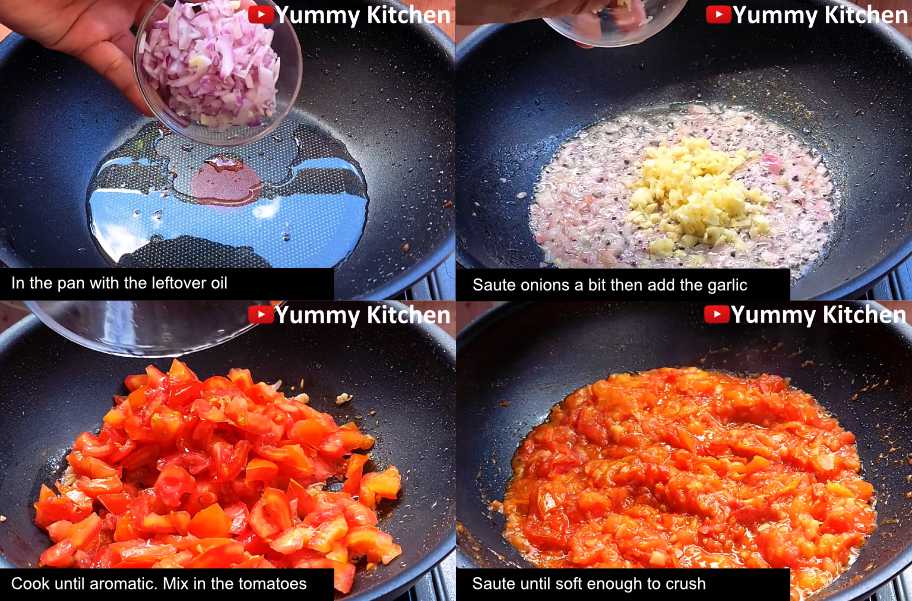
- In the same pan, saute the onions and garlic. Add the tomatoes and gently crush them while sauteing. Add the seared pork back to the pan and saute for a minute.
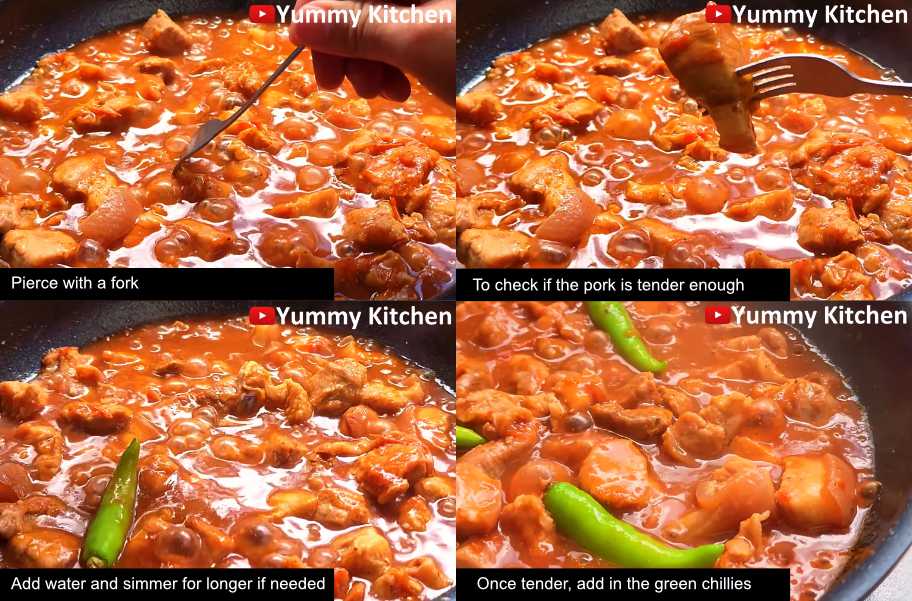
- Season with soy sauce (or patis) and oyster sauce. Add some water to soften the pork. Cover the pan and let it simmer for 30 minutes using low medium heat until the pork is tender.
- Add some chopped green chilies. Cook for a few more minutes until the sauce is reduced. Transfer the pork kinamatisan to a serving plate.
- Serve with a lot of hot steaming rice. Enjoy!
Video

History of Kinamatisang Baboy
What Is Kinamatisan?
Kinamatisang Baboy (literally “pork cooked in tomatoes”) is a comforting Filipino stew that reflects the country’s layered culinary history. The word kinamatisan comes from the Filipino word “kamatis,” which literally means tomato. When applied to a dish, the term kinamatisan refers to a cooking method or sauce that uses tomatoes as a central flavor component. So Pork Kinamatisan simply means pork cooked in a rich tomato base.
Because tomatoes were introduced to the Philippines during the Spanish colonial period, dishes like kinamatisan are a blend of indigenous Filipino flavors and foreign influences. Over generations, this stew has become a Filipino comfort food staple, versatile enough to be made with pork, chicken, or fish. Unlike sour soups like sinigang — which use souring fruits like tamarind or kamias — kinamatisan gains a naturally tangy base from the sweet and slightly acidic tomatoes themselves. This makes the broth bright, savory, and slightly sweet with no need for specialized souring ingredients. While it may seem like a simple tomato-based pork dish, its roots reveal a fascinating blend of indigenous cooking traditions, colonial influence, agricultural adaptation, and regional creativity.

Kinamatisang Baboy Ingredients
- Pork – cut to medium to smaller chunks to lessen the cooking time.
- Onion and Garlic – aromatics to helps enhance the overall flavor and aroma.
- Tomatoes – our savory souring agent for this recipe.
- Soy sauce – for savory goodness and helps will the coloring of the dish.
- Oyster sauce – adds an umami richness into the sauce.
- Water – to help simmer everything together.
- Green chilies – for a subtle sweet spice.
- Salt and Pepper – to taste.
How To Make Pork Kinamatisan
Ingredients :
- 3/4 kilo pork (cut into serving pieces)
- 1 large onion (chopped)
- 5 cloves of garlic (minced)
- 5 medium tomatoes (diced)
- 2 tablespoons soy sauce
- 2 tablespoons oyster sauce
- 1 to 2 cups water
- 2 to 3 pieces green chilies
- salt and pepper to taste
Directions :
1. Arrange the pork in a pan. Saute for a few minutes until it changes color. Season with salt and pepper. Continue sautéing until some oil has been rendered. Remove the pork from the pan. Set aside.

2. In the same pan, saute the onions and garlic. Add the tomatoes and gently crush them while sautéing. Add the seared pork back to the pan and saute for a minute.

3. Season with soy sauce (or patis) and oyster sauce. Add some water to soften the pork. Cover the pan and let it simmer for 30 minutes using low medium heat until the pork is tender.


4. Add some chopped green chilies. Cook for a few more minutes until the sauce is reduced. Transfer the pork kinamatisan to a serving plate.

5. Serve with a lot of hot steaming rice. Enjoy!

What Makes This Kinamatisang Baboy Special
Unlike Western tomato stews that often use tomato paste or sauces, Filipino Pork Kinamatisan thrives on fresh ripe tomatoes. This results in a stew with a bright, natural tomato essence that’s both homey and comforting. Because the tomatoes release their juices into the broth, the sauce becomes flavorful without heavy seasoning. This simplicity makes it uniquely Filipino — celebratory in taste yet humble in preparation.
Variations You Can Try
One of the best things about Kinamatisan is how adaptable it is:
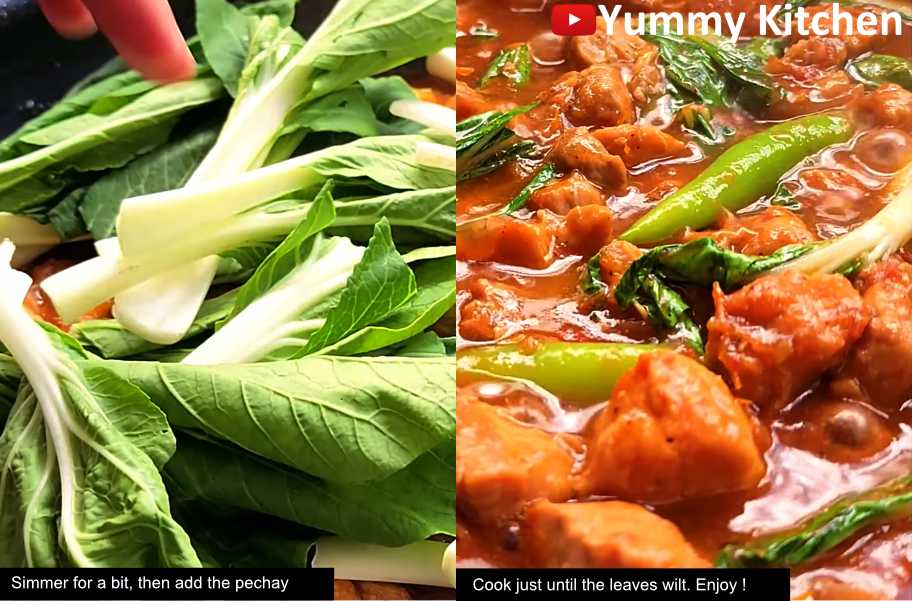
- Add Vegetables : You can toss in leafy greens like pechay (bok choy) toward the end for color and nutrition.
- Increase the Heat : Add more chilies or even serrano peppers if you want a spicier finish.
- Mix With Other Meats : Try substituting chicken or even fish for a lighter version — the cooking method stays similar but the flavor profile changes subtly.
- Add Root Vegetables : Potatoes or carrots can add texture and absorb the savory tomato broth.
Pairing Suggestions
- Steamed rice — a staple pairing that balances the savory sauce.
- Garlic fried rice — for extra flavor at breakfast or lunch.
- Pickled vegetables or atsara — for a refreshing contrast.
- Cold soda or iced tea — complements hot meals well.
Common Mistakes to Avoid
- Using underripe tomatoes (results in flat flavor)
- Not sautéing long enough
- Adding too much water
- Overcooking until tomatoes lose brightness
- Not balancing salt and acidity
Storage, Freezing & Reheating Guide
One of the best things about Pork Kinamatisan is that it stores very well. In fact, many Filipinos might even tell you that it tastes even better the next day. As the dish rests, the pork continues to absorb the tomato-rich sauce, making the flavors deepen.
- Allow the dish to cool completely : Do not place hot stew directly into the refrigerator. Let it cool at room temperature for about 30–45 minutes. This prevents condensation and bacterial growth.
- Transfer to an airtight container : Use glass or any airtight plastic containers with lids. Airtight storage prevents the stew from absorbing other refrigerator odors.
- Store for up to 3–4 days : Properly stored Pork Kinamatisan can last safely in the refrigerator for up to four days.
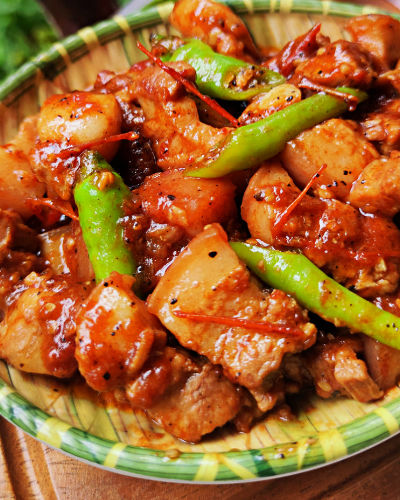
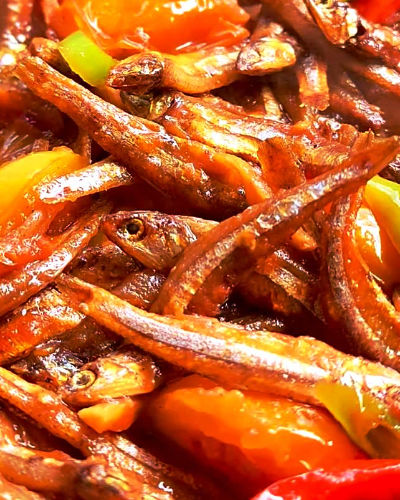
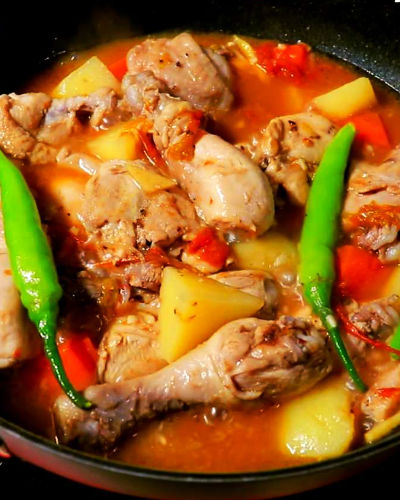
Try our Other Yummy Kinamatisan Recipes :



Pre-Colonial Roots: Indigenous Cooking Foundations
Before foreign influence shaped Filipino cuisine, early communities across the Philippine archipelago already practiced sophisticated cooking methods. Food was often prepared by:
- Boiling (paksiw-style dishes using vinegar or other souring agents)
- Roasting over open fire
- Stewing meats with native ingredients like ginger, garlic, and local greens
Pork being a meat that’s widely consumed in many lowland communities, especially during feasts and communal gatherings. Indigenous cooking relied heavily on sour flavors from tamarind (sampalok), batuan fruit, kamias (bilimbi), and other native souring agents.
The Arrival of Tomatoes in the Philippines
Tomatoes were introduced to the Philippines during the Spanish colonial period (1565–1898). Like many ingredients in Filipino cuisine — including chili peppers, corn, and potatoes — tomatoes originated in the Americas and were brought to Asia through the Manila–Acapulco Galleon Trade.
Once tomatoes became widely cultivated, they were quickly embraced by Filipino cooks. Their natural sweetness and mild acidity fit perfectly with local taste preferences, which often favor balanced sweet-sour flavors.
Over time, tomatoes became a key ingredient in many beloved Filipino dishes, such as: Afritada, Mechado, Menudo, and Kaldereta. Unlike these dishes, which show strong Spanish influence and often include tomato sauce or paste, Kinamatisang Baboy remained simpler and more rustic, focusing on fresh tomatoes rather than processed sauces.

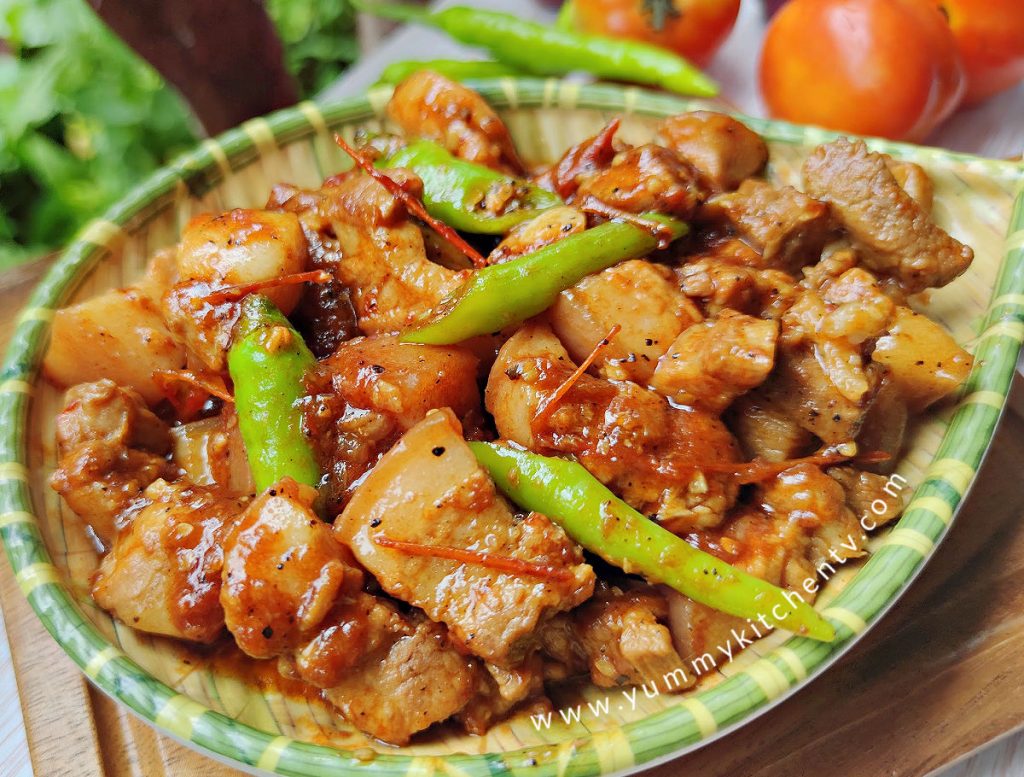
How to cook Kinamatisang Baboy ?
If I were to list my recipes according to the ease of cooking, pork kinamatisan will surely be on the top of the list. I usually make pork kinamatisan when most of the tomatoes in my pantry are already ripe and orange. These tomatoes has achieved its maximum flavor and are best used in cooking.
Pork kinamatisan is like the spaghetti sauce where the meat cuts are much bigger and the sauce is made with freshly crushed ripe tomatoes. You can actually combine this with some pasta noodles but better when topped with rice.
A super hassle-free dish to make. Simply saute the pork in the pan (no oil). Wait for oil to render and then remove from the pan (or just push them to one side). Saute the aromatics and the tomatoes. Gently crush the tomatoes to extract its full flavor. Saute the pork and the tomatoes until the crushed tomatoes are coating the pork. Add enough water to soften the pork until it becomes tender. Add some chilies if you like it spicy! Just cook until the sauce is reduced. Get a big bowl of hot rice and top it with pork kinamatisan. Yum!
Nutritional Information Section
- Protein-rich – Pork provides high-quality protein for muscle repair.
- Vitamin C from tomatoes – Supports immune health.
- Lycopene content – Tomatoes are rich in antioxidants.
- Iron and B vitamins – Important for energy metabolism.

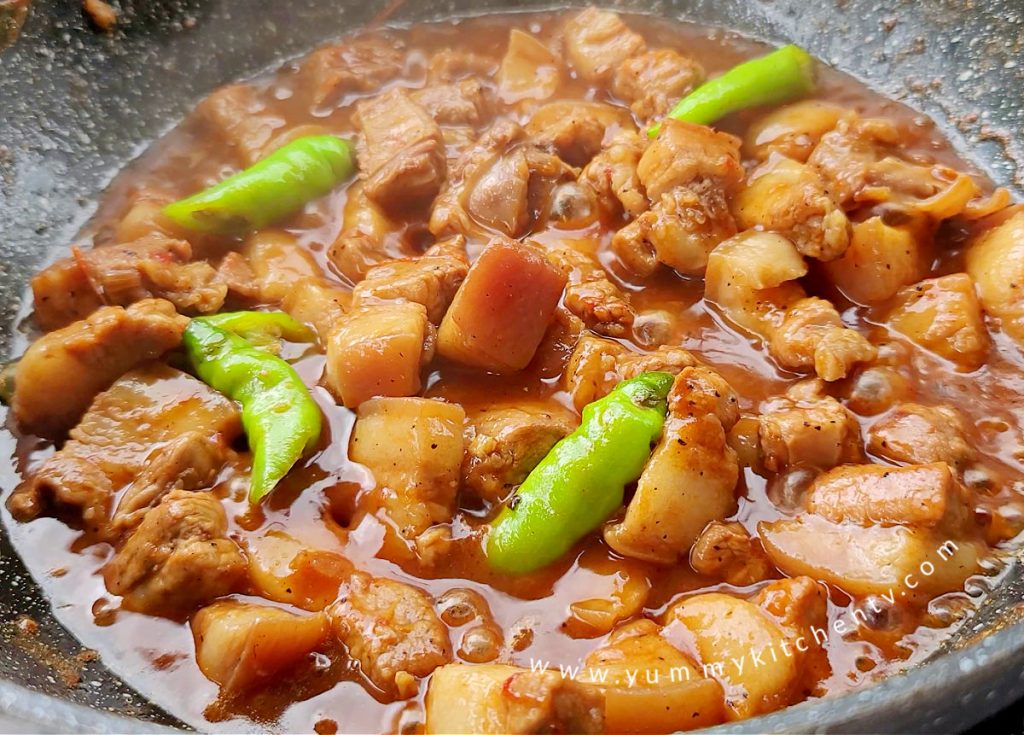
Pork Kinamatisan Recipe (TAGALOG)
MGA SANGKAP:
- 3/4 kilo baboy (hiniwa sa serving pieces)
- 1 malaking sibuyas (hiniwa)
- 5 butil ng bawang (hiniwa ng maliliit)
- 5 kamatis (hiniwa)
- 2 kutsara ng toyo
- 2 kutsara ng oyster sauce
- 1 – 2 tasa ng tubig
- 2 – 3 siling pansigang
- asin at paminta
PAANO LUTUIN:
- Ilagay ang mga baboy sa kawali. Lutuin ito ng ilang minuto hanggang mag-iba ang kulay. Budburan ng asin at paminta. Hayaan itong maluto hanggang magmantika. Kapag brown na ang baboy, ilipat ang mga ito sa lalagyan at isantabi.
- Sa parehas na kawali, igisa ang sibuyas at bawang. Ilagay ang mga kamatis at medyo piratin habang ginigisa. Ibalik ang baboy sa kawali at igisa ng ilang minuto.
- Lasahan ng toyo (o patis) at oyster sauce. Maglagay ng tubig para lumambot ang baboy. Takpan ang kawali at hayaan itong maluto ng 30 minuto gamit ang mababang katamtamang apoy hanggang lumambot ang baboy.
- Ilagay ang mga siling pansigang. Lutuin pa ito ng ilang minuto hanggang umonti ang sauce.
- Ilipat ang pork kinamatisan sa serving plate. Ihain ito kasama ng mainit na kanin. Enjoy!
Final Thoughts
Pork Kinamatisan is more than just a stew — it’s comfort in a bowl. It puts everyday ingredients to work, transforming them into a dish that’s richly flavored, satisfying, and deeply rooted in Filipino home cooking traditions. Whether you’re making this for a weekday lunch or weekend family feast, it’s a recipe worth mastering.